Mazda CX-5 and CX-9 Rear Differential Fluid: Type, Interval and Change Steps
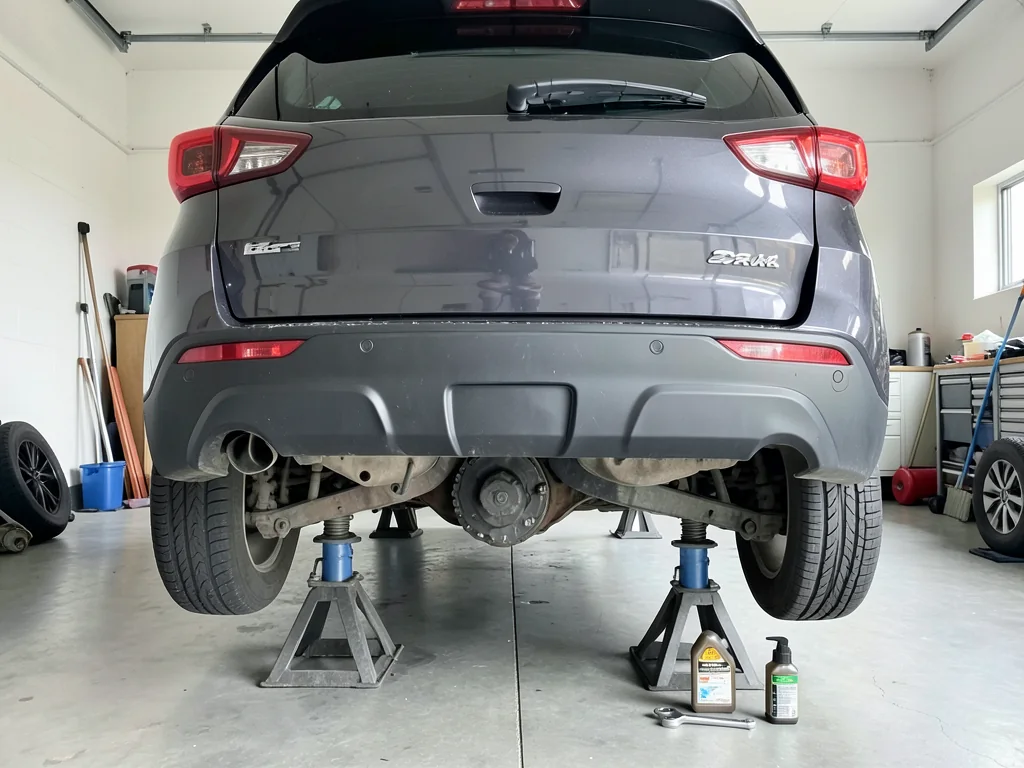
If your Mazda CX-5 or CX-9 has all-wheel drive, the rear differential needs gear oil service just like the transmission and engine. Knowing the correct fluid, change interval, and basic drain-and-fill steps helps you avoid wear and costly repairs. This guide covers how to identify your drivetrain, choose the right lubricant, confirm service schedules, recognize warning signs, and approach the job safely on both models.
Which CX-5 and CX-9 Versions Actually Have a Rear Differential to Service
Only AWD versions of the Mazda CX-5 and CX-9 have a rear differential with fluid to service. Front-wheel-drive models send power only to the front wheels, so they have no rear differential case or gear oil to change. If you are unsure whether your vehicle is AWD, check the trim badge on the rear hatch—many AWD models say “AWD”—or look at the original window sticker and registration records. Decoding the VIN through Mazda service information or asking a dealer parts department is the most reliable way to confirm the drivetrain without crawling underneath.
AWD CX-5 and CX-9 models also use a front power takeoff unit, sometimes called a transfer unit, that splits torque to the rear axle. This unit has its own lubricant and may follow a different service interval than the rear differential. Depending on the model year and market, the transfer unit fluid might require separate drain-and-fill work. Always consult the owner’s manual or Mazda service schedule for your specific generation and region, because capacities and fluid types can change between model years and between the CX-5 and CX-9.
Choosing the Correct Rear Differential Fluid for Your CX-5
The correct gear oil grade, viscosity, and capacity for your rear differential must come from the owner’s manual, Mazda service information, or a Mazda parts counter using your VIN. The viscosity rating on a gear oil bottle, such as 75W-85 or 80W-90, describes how the fluid flows at low and high temperatures, and the API service category like GL-5 tells you which additive package it has for hypoid gears. Choosing the exact specification listed for your vehicle prevents poor lubrication or damage under load.
Genuine Mazda gear oil or a product that clearly states it meets Mazda’s specification is safer than a generic bottle picked by price. Mixing different fluid types or using transmission fluid in place of gear oil can cause foaming, poor film strength, and accelerated wear. If the label is unclear, a dealer can confirm the correct product. Buy enough fluid for the stated capacity plus a small margin for spillage, and replace the drain and fill plug gaskets or crush washers if the service information calls for them.
How to Find the Right Rear Differential Fluid Change Interval
Mazda lists rear differential service in the maintenance schedule found in the owner’s manual or through a dealer’s service records—not on forum posts or generic online charts. That schedule usually separates normal and severe service intervals. Severe service applies when the vehicle is regularly used for towing, driving on dusty or muddy roads, taking frequent short trips that don’t let the drivetrain warm up, or crossing deep water. Under severe conditions, the differential fluid typically needs replacement more often than under normal driving.
Do not rely on a single universal mileage figure such as “every 60,000 miles” without checking your exact model year. The interval can differ between CX-5 and CX-9, between generations, and between markets. On a used vehicle, review past service records to see whether the differential has ever been drained, because neglected gear oil may already be past due. If records are absent, a dealer or qualified shop can help establish whether service is needed based on current condition and mileage.
Signs Worth Checking Before or Between Scheduled Changes
Between scheduled changes, you can look for wet residue or drips around the differential seals and plugs with the vehicle parked on level ground. A slow seep that leaves a dark, oily film on the differential housing is worth monitoring, while visible drips on your driveway or garage floor need attention sooner. Check the area after the vehicle has been driven and then parked, because warm fluid flows more easily and may reveal leaks that are not obvious when cold.
Whining, humming, or clunking from the rear can have several causes besides old differential fluid—tires, wheel bearings, driveshaft couplings, or CV joints can produce similar sounds. Fresh fluid alone may not fix a noise if a bearing or gear is already worn. The condition of drained fluid gives a clue: very dark color, a burnt smell, or fine metallic particles suggest internal wear, but only a technician can confirm the source. If noise or leaks continue after a fluid change, have the vehicle inspected rather than continuing to drive with an obvious leak.
Rear Differential Fluid Change on the CX-5: What the Drain-and-Fill Involves
A rear differential fluid change on the CX-5 follows a basic drain-and-fill process: park the vehicle on level ground, loosen the fill plug first to ensure you can refill the housing, then remove the drain plug and let the old fluid flow into a pan. After reinstalling the drain plug to the correct torque, add new gear oil through the fill hole until it reaches the level specified in the service information, then reinstall the fill plug. The job requires a correct-size socket or plug tool, a drain pan, a fluid pump or squeeze bottle, and gloves.
Never work under a car supported only by a jack. Use rated jack stands or ramps on firm, level ground, or leave the job to a shop if that equipment is not available. Tightening torque and any sealant or gasket requirements must come from the Mazda service manual; overtightening can crack the differential housing or strip threads. Used gear oil must be taken to a recycling drop-off or an auto parts store that accepts it—never pour it on the ground or into household trash.
Mazda CX-9 Differential Fluid Change: Points to Confirm First
The CX-9’s AWD layout and service specifications may differ from the CX-5’s, so confirm the fluid type, capacity, and interval for the CX-9 on its own. The rear differential may be positioned differently, and the fill and drain plugs could be harder to reach, so check the CX-9 service information before starting. The front transfer unit might also need service at the same visit, and its fluid may not be the same grade as the rear differential fluid.
The same level-ground, fill-plug-first, and safe-support principles apply, but do not assume the steps are identical between the two models. If the schedule lists both rear differential and transfer unit service, ask a dealer or independent shop to quote both jobs together. That way you avoid a second visit and know both lubricants are fresh. A shop can also confirm whether the CX-9 transfer unit and differential share any fasteners or gaskets that should be replaced.
DIY or Shop Service: Making the Call and Checking the Work
Deciding between DIY and a shop comes down to tools, safe lifting setup, and comfort with torque specifications—not just cost. If you have rated jack stands, a drain pan, a pump, and a torque wrench, the job is straightforward. But if you lack a level surface or are unsure about tightening values, paying a shop is cheaper than repairing a cracked housing or stripped threads. Ask the shop which fluid specification they use, whether they drain and fill completely or just top up, and whether they replace the plug gaskets or crush washers.
After the service, park on clean pavement and check for fresh drips at the drain and fill plugs after a short drive. Listen for any new noises from the rear during low-speed turns or acceleration. Record the date, mileage, and exact fluid used in the service log so the next interval can be tracked accurately. That record also helps if the vehicle is sold, showing the next owner that the AWD system was maintained properly.