Mazda compact car
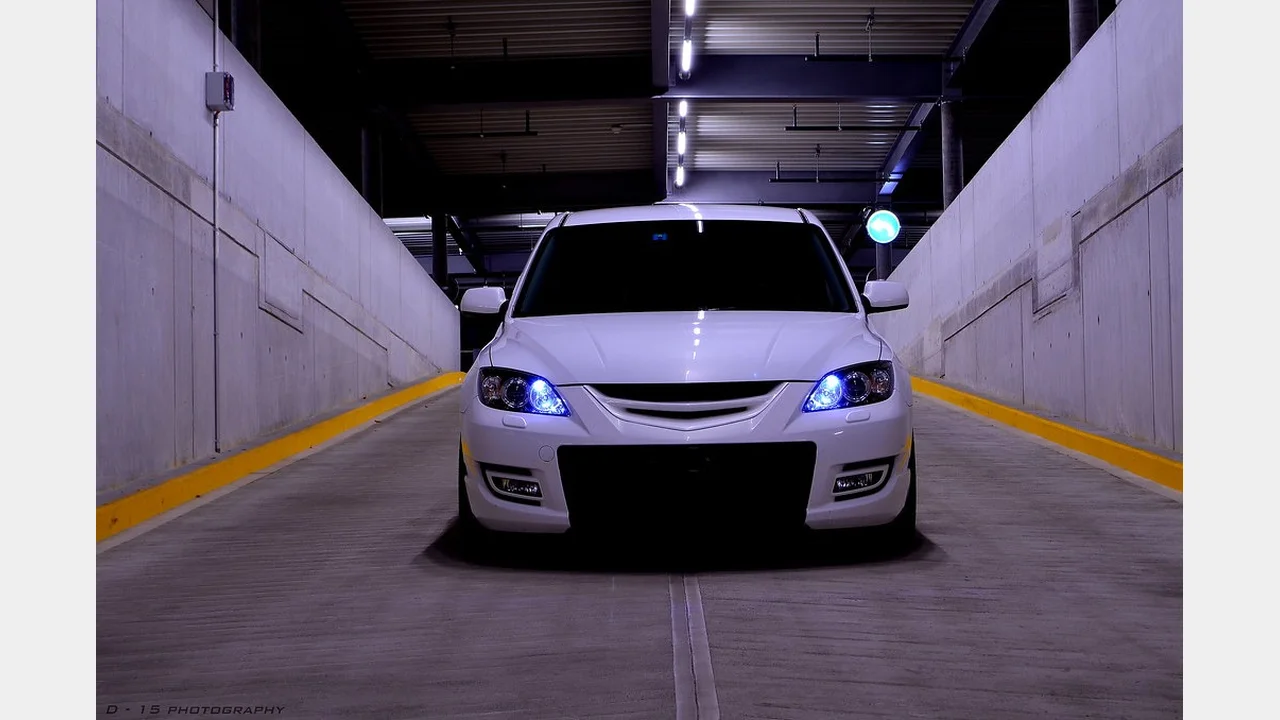
The Mazda 3 has earned a reputation for bringing a more engaging, refined feel to the practical compact segment. Shoppers evaluating a Mazda compact car often begin with the 3, a model that combines mindful engineering with everyday usability. Unlike many rivals that prioritize pure utility, the 3 emphasizes ride composure, steering feedback, and cabin design. Enthusiast outlets such as Car and Driver have long tracked its progression from a budget-minded hatchback and sedan into a more premium offering. Understanding its body style choices, powertrain layout, and market positioning helps clarify why this platform stands apart.
Essential answer
The Mazda 3 is a front-engine, front-wheel-drive compact car offered as a four-door sedan and a five-door hatchback. Its vehicle class places it against models focused on affordable daily commuting, yet its design language and chassis tuning push toward a more aspirational feel. Within the market segment, the 3 is often viewed as a bridge between mainstream economy cars and entry-level premium sport sedans. This positioning means a shopper can expect a seating layout made for four adults, with a fifth seat better suited to shorter trips, and a cargo area that expands significantly in the hatchback body configuration.
Because the 3 has evolved through several model generations, its character changes depending on the year being considered. Earlier versions leaned into lightweight simplicity and high-revving character, while newer ones favor isolation, torque-rich responses, and a more sculpted interior. Drive configuration has remained conventional, with front-wheel drive standard and all-wheel drive available on recent variants. That powertrain layout supports confident traction in poor weather, but it also means the steering and accelerator calibration matter more than outright cornering grip. A test drive should focus on how the body settles over broken pavement and how the transmission responds during relaxed, part-throttle acceleration.