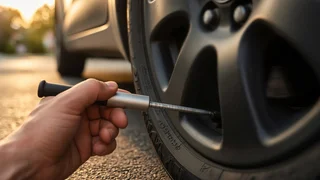
Mazda 3 wheel offset
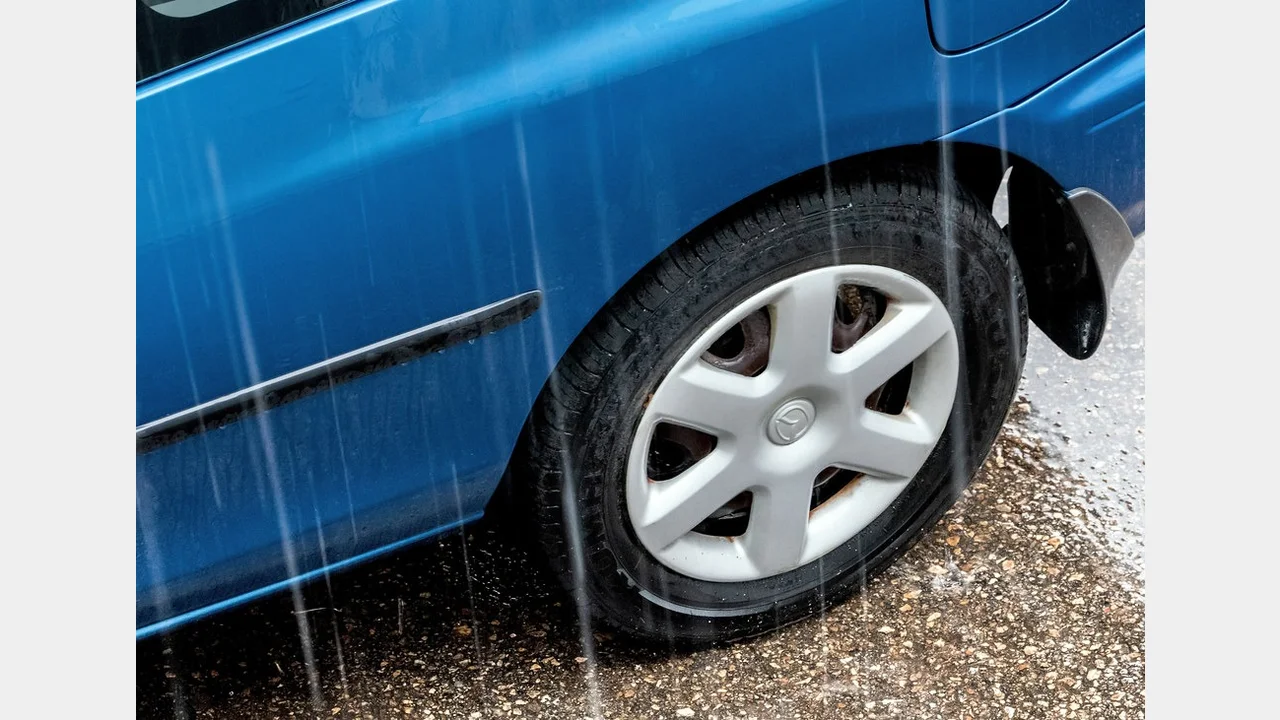
Choosing replacement wheels for a Mazda 3 means looking beyond rim diameter and bolt pattern. Wheel offset determines where the tire sits inside the wheel well and how suspension loads are distributed. The 2011 Mazda 3 wheel offset is a frequent starting point for owners refreshing an older car, while the 2018 Mazda 3 wheel offset applies to a newer platform generation. Both share the same underlying principle: a small deviation shifts the contact patch outward or inward enough to affect steering feel, fender clearance, and bearing wear. This overview explains how offset works, why factory-style dimensions matter, and what changes when comparing these model years.
Essential answer
Wheel offset for a Mazda 3 describes the distance between the wheel's mounting face and the rim's true centerline. A positive offset places the mounting surface toward the outside of the wheel, tucking the tire under the fender. A lower positive or negative offset pushes the wheel outward. The 2011 Mazda 3 wheel offset sits in a conservative positive range matched to its strut suspension and brake package. Owners often check this value when fitting aftermarket rims, because an incorrect offset can create rub at the fender lip or contact with the inner suspension during steering lock.
The 2018 Mazda 3 wheel offset follows a similar positive-offset philosophy but should not be assumed identical to the older car without confirmation. Different rim widths change the effective fit even when the offset number looks close. A wider rim with the same offset moves both inner and outer edges outward by half the added width. When comparing wheels for either car, treat offset, rim width, and tire section width as a matched set. The essential answer is that both vehicles favor positive offset, but the safe window depends on the specific suspension generation and the rim width being used.