Mazda 3 Spare Tire Pressure
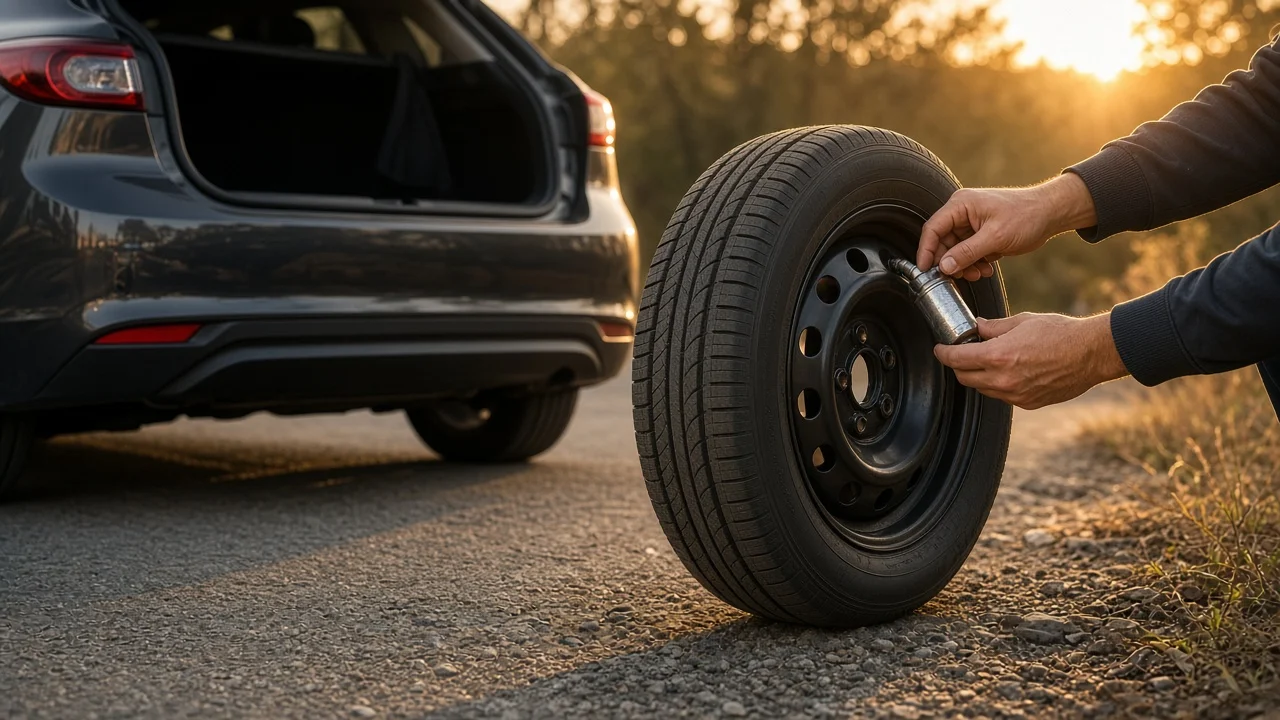
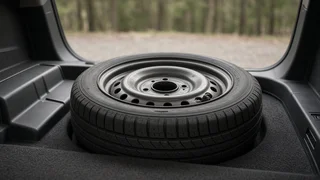
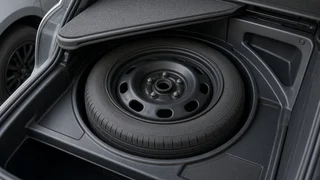
A Mazda 3 spare tire has different inflation needs than the four road tires because it is a compact, temporary-use wheel designed for limited distance and lower speed. Drivers often check the spare only after a flat, when discovering it is soft adds another problem. The correct spare tire pressure is generally shown on a label rather than guessed from the main tire size. Understanding that temporary spare's higher inflation pressure, narrow footprint, and load limitations helps a driver use it safely and return to a full-size tire promptly.
Essential answer
The essential answer is that a Mazda 3 temporary spare typically requires a distinctly higher inflation pressure than the regular tires, commonly around 60 psi, but the authoritative value is printed on the vehicle placard or the spare tire sidewall. The placard, usually located on the driver's door jamb, lists pressures for the standard tire size and the compact spare. When no placard is visible, the sidewall marking on the temporary spare provides the maximum cold inflation pressure intended for that tire's load index and construction.
Because the compact spare has a narrow tread and a smaller air chamber, using the road tire pressure would leave it underinflated and unstable. Underinflation in a temporary spare increases sidewall flex and heat, which is especially risky when the spare is already limited to lower speeds. Inflating to the higher specified value keeps the tire's contact patch firm enough for short emergency use. Drivetrain compatibility also matters: a temporary spare can affect handling on any axle, so reduced speed and limited distance remain important even when the inflation pressure is correct.