Mazda 3 Front Wheel Bearing Symptoms and Replacement
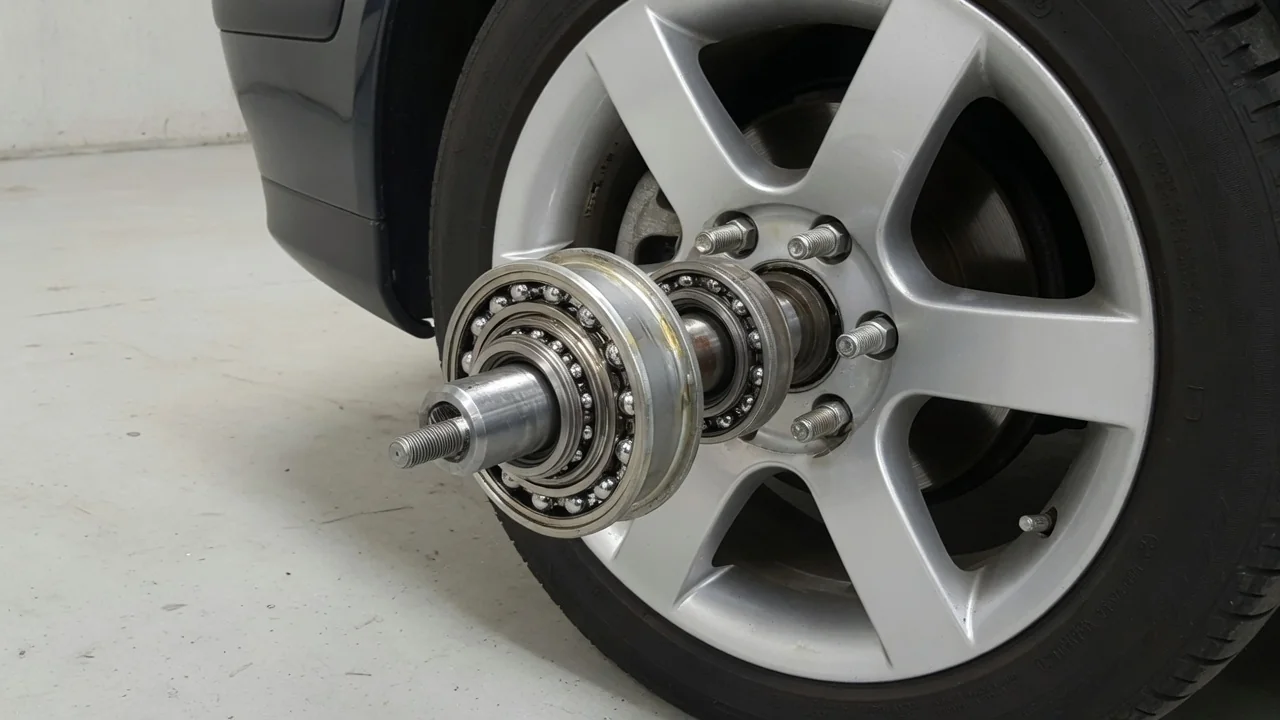
A Mazda 3 front wheel bearing supports the wheel and hub as the tire rotates under load. Drivers looking up a Mazda 3 wheel bearing, or a wheel bearing Mazda 3 concern, usually notice a road-speed hum, vibration, or looseness at the front. This model-specific overview covers application identity, symptoms, safe noise notes, damage patterns, when to stop driving, and what professional replacement should include.
Identify the Mazda 3 Front Bearing Application
The Mazda 3 has been sold across many model years, markets, and configurations, so the front wheel hub and bearing design can differ even when the complaint sounds the same. Before discussing construction or ordering a part, confirm the year, trim, drivetrain, and market. The front wheel bearing sits in or with the hub at the knuckle, supporting rotation while carrying vehicle weight, cornering load, and braking force. That location is why a worn bearing can produce a road-speed hum that seems to come from the wheel well.
Service arrangements also vary. Some Mazda 3 applications use a pressed bearing in a hub or knuckle, while others use a bolt-on hub assembly that includes the bearing and often a wheel speed sensor. Those differences change how a technician inspects play, how parts are identified, and what the replacement job actually involves. Do not assume every Mazda 3 uses the same procedure, fastener pattern, or hub assembly. Vehicle-specific service information is required to confirm the bearing type, whether the hub is serviced as a unit, and which sensor or splash-shield details apply.
Symptoms That Can Suggest a Wheel Bearing Problem
A Mazda 3 front wheel bearing complaint often starts as a humming, rumbling, or growling sound that rises and falls with road speed rather than with engine rpm. The noise may be more noticeable on a smooth highway, and it can seem louder on one side of the cabin. Sound alone is not confirmation. Tire tread, cupping, brake drag, and other rotating parts can produce similar tones. Treat the noise as a reason for inspection, then look for supporting clues such as vibration, heat at the hub after a drive, or measurable bearing play.
Wheel vibration or a feeling of looseness in the steering or front corner can also justify a bearing check, especially if the sensation grows with speed. A noisy bearing may still have little readily detectable play, so the absence of obvious wobble does not clear the hub. An ABS or traction warning is a separate diagnostic path. The wheel speed sensor often lives in or near the hub assembly, so a damaged tone ring, wiring, or sensor can set a code without proving the bearing has failed. Manufacturer-dependent codes need vehicle-specific confirmation.
Record the Noise Without Risky Road Tests
If the Mazda 3 remains safe to operate, note the noise during ordinary driving rather than staging aggressive tests. Record the speed range where the hum appears, whether it changes on coarse or smooth pavement, and whether it starts after highway miles or during gentle turning. Those notes help a technician distinguish a road-speed hum from engine or brake issues. Do not swerve to locate the side, and do not lift the wheel as an owner procedure. Leave load and play checks to a shop with the correct equipment.
Sound travels through the body and suspension, so the ear's impression of left versus right can be misleading. A Mazda 3 wheel bearing on one front corner may be heard more clearly at the opposite seat. Professional diagnosis should consider tire wear, cupping, brake pad or shield contact, and other rotating components that share a speed-related rhythm. Isolating the source requires a controlled inspection, not a roadside guess. Accurate notes still help by capturing when the noise appears and what it does not follow.
What Can Damage a Front Wheel Bearing
A front wheel bearing is a precision rolling element that lives in a harsh environment of heat, water, grit, and cyclic load. Over time, lubricant can thin or leak as seals deteriorate, allowing contamination that scores races and rollers. Impact loading from potholes, curbs, or collision can brinell the races even when the hub still looks intact. Ordinary wear also accumulates with mileage and load. None of those mechanisms implies a Mazda 3 failure rate; they only explain why a sealed hub can eventually develop play, roughness, or a road-speed rumble.
Installation quality matters as much as the part. Pressing a bearing at the wrong race, dropping the hub, or contaminating the bore can start a short-life failure. Incorrect fastening of the hub, axle nut, or related hardware can preload the bearing too tightly or leave it loose, either of which shortens life. If a rumble returns after replacement, reassess the diagnosis, part fitment, installation method, and adjacent components such as tires, brakes, and the wheel speed sensor, rather than assuming the new bearing is automatically at fault.
When to Stop Driving and Arrange Inspection
A new, persistent hum or rumble from the wheel area on a Mazda 3 is a reason to schedule inspection promptly. Do not treat the sound as a remaining safe mileage, because a bearing can stay noisy for a long stretch or deteriorate once play and heat increase. Early inspection also reduces the chance of collateral damage to the hub or knuckle. Until the vehicle is checked, avoid high-speed use if the noise is clearly worsening, and keep notes of speed, surface, and vibration.
Stop safely and arrange recovery if you feel severe grinding, wheel wobble, a sudden change in steering or tracking, or vibration that worsens rapidly. Those signs can indicate a bearing that has lost integrity or another fault that makes the wheel unsafe to keep on the road. A professional inspection should evaluate bearing condition, tire and brake issues, and any relevant fault codes together. A stored ABS code is evidence to interpret, not proof the hub has failed, and findings from play, roughness, and tire condition should be considered as a set.
What Mazda 3 Bearing Replacement Should Include
Professional work on a Mazda 3 front wheel bearing should begin with diagnosis, then vehicle-specific part identification, then replacement of the bearing or hub assembly as that application requires, followed by verification. The estimate should name the affected side, the parts, the labor, and any extra work supported by inspection, such as a damaged sensor, torn seal, or related hardware. Do not assume both front bearings need replacement simply because one is noisy. A shop that quotes a pair without inspection findings is skipping a step that belongs in the repair plan.
Replacement should follow the manufacturer's service information for that Mazda 3, including the correct fastening procedures for the hub, axle, and related hardware, without improvised preload methods. Nearby wheel speed sensor components, wiring, and tone rings deserve inspection and correct seating so an ABS warning is not created or left unresolved. After the job, confirmation means the original road-speed hum is gone, handling feels normal, and any warning lights that were part of the complaint have been addressed. If noise or vibration remains, diagnosis is not finished.