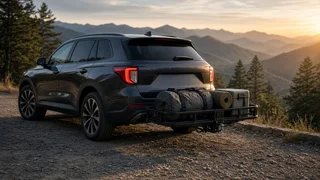
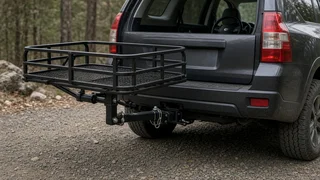
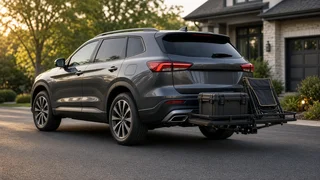
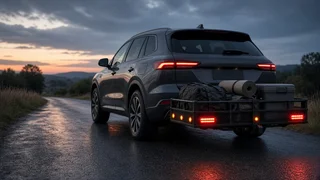
Heavy duty hitch mounted cargo carrier
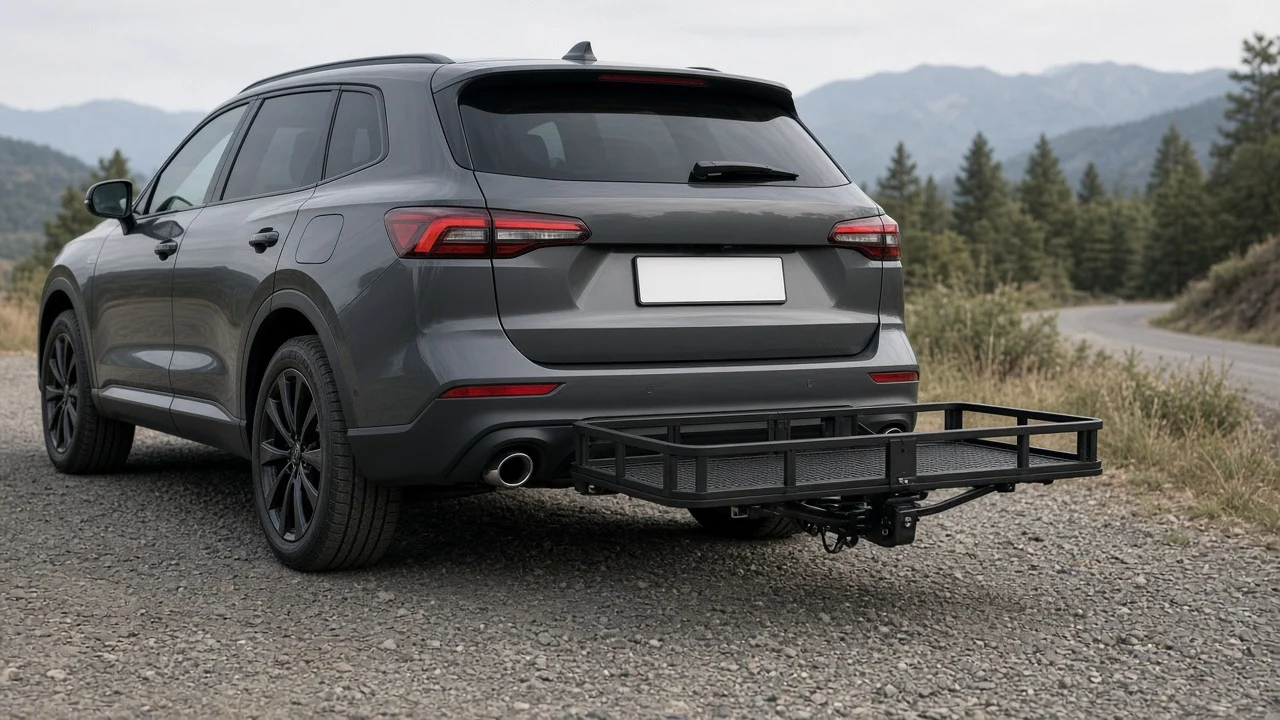
Choosing a heavy duty hitch mounted cargo carrier means matching the platform to the vehicle’s receiver, the gear you actually haul, and the road conditions you expect. A serious carrier should support bulky loads without flexing, rattling, or blocking access to the liftgate. Before buying, focus on how the structure transfers weight, where the mounting points sit, and whether the design preserves enough clearance for driveway transitions and tight parking. This guide explains what makes a carrier stable, what weakens load capacity in real use, and how surface material, corrosion protection, and product compatibility affect long-term ownership.
The direct answer
A heavy duty hitch mounted cargo carrier is the right choice when you need to move large or dense items that would be unsafe on a roof rack or too bulky for the cabin. The direct answer is to purchase a carrier whose rated load capacity exceeds your expected cargo weight, and to confirm that the shank size matches your receiver before ordering. A 2-inch receiver is generally more suitable for heavy loads because it resists twisting better than a narrower receiver, but vehicle-specific confirmation is required. The weakest point in the system is often the hitch pin, anti-rattle device, or the receiver itself, not the platform.
The material choice changes how the carrier behaves under load. Steel platforms typically offer high rigidity and can be repaired or repainted more easily, while aluminum designs reduce the weight penalty you are lifting onto the hitch. The surface material and corrosion protection matter because road spray, salt, and humidity attack welds and hardware quickly. Look for continuous welds on the load-bearing frame and a finish that resists chipping. Product compatibility includes not only the receiver size but also the distance from the hitch pin hole to the nearest bumper or spare tire, which affects whether the folding shank can clear the vehicle.