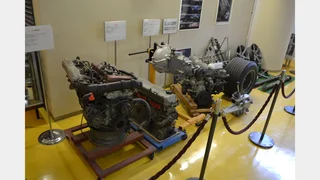
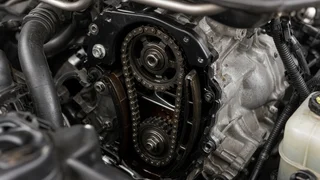
Nissan Z24 timing chain
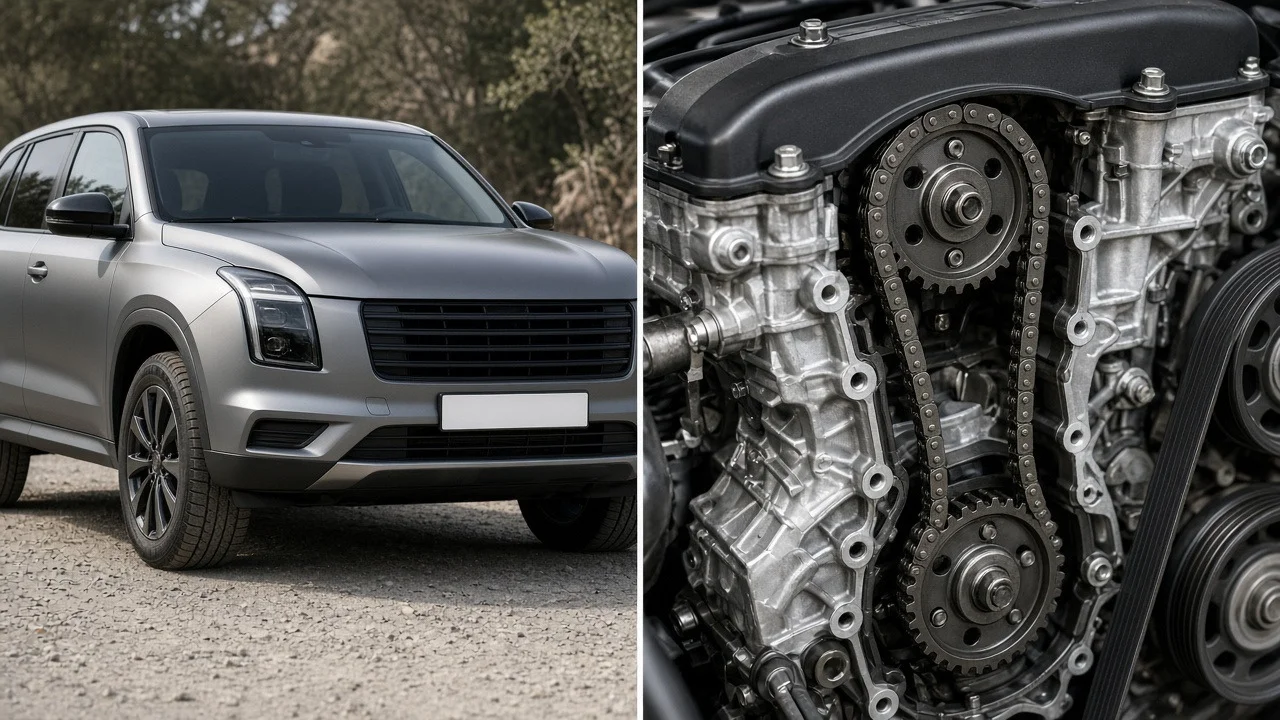
The Nissan Z24 engine uses a timing chain to keep the camshaft and crankshaft rotating in sync. Drivers researching the Nissan Z24 engine timing chain usually want to understand how this durable metal link system differs from a rubber belt, what symptoms indicate wear, and how service history affects reliability. The Z24 is an overhead-cam four-cylinder design, so chain condition directly influences valve timing, ignition accuracy, and long-term durability. Recognizing symptom conditions such as startup rattle or rough idle helps an owner decide when inspection is justified and what a diagnostic code may or may not confirm.
Essential answer
A Nissan Z24 engine timing chain is a metal-link drive component that connects the crankshaft sprocket to the camshaft sprocket, maintaining the mechanical relationship that opens and closes valves at the correct point in each piston stroke. Unlike a timing belt, the chain is designed for extended service and does not have a fixed replacement interval in the same sense that many belt-driven engines do. Its condition still depends on engine configuration, oil maintenance, and accumulated running time, so a used engine should be assessed by inspection rather than mileage alone.
Wear typically appears first as chain elongation, caused by gradual pin and bushing wear inside the links. That elongation shifts valve timing slightly and can produce a rattling sound at cold start, uneven idle, or a change in the relationship between crankshaft and camshaft signals. It may also trigger diagnostic codes related to camshaft or crankshaft correlation if the engine management system monitors that value. However, manufacturer specifications vary, and a fault code is evidence to interpret, not proof that the chain itself requires replacement.