Hoosier Tire Date Code
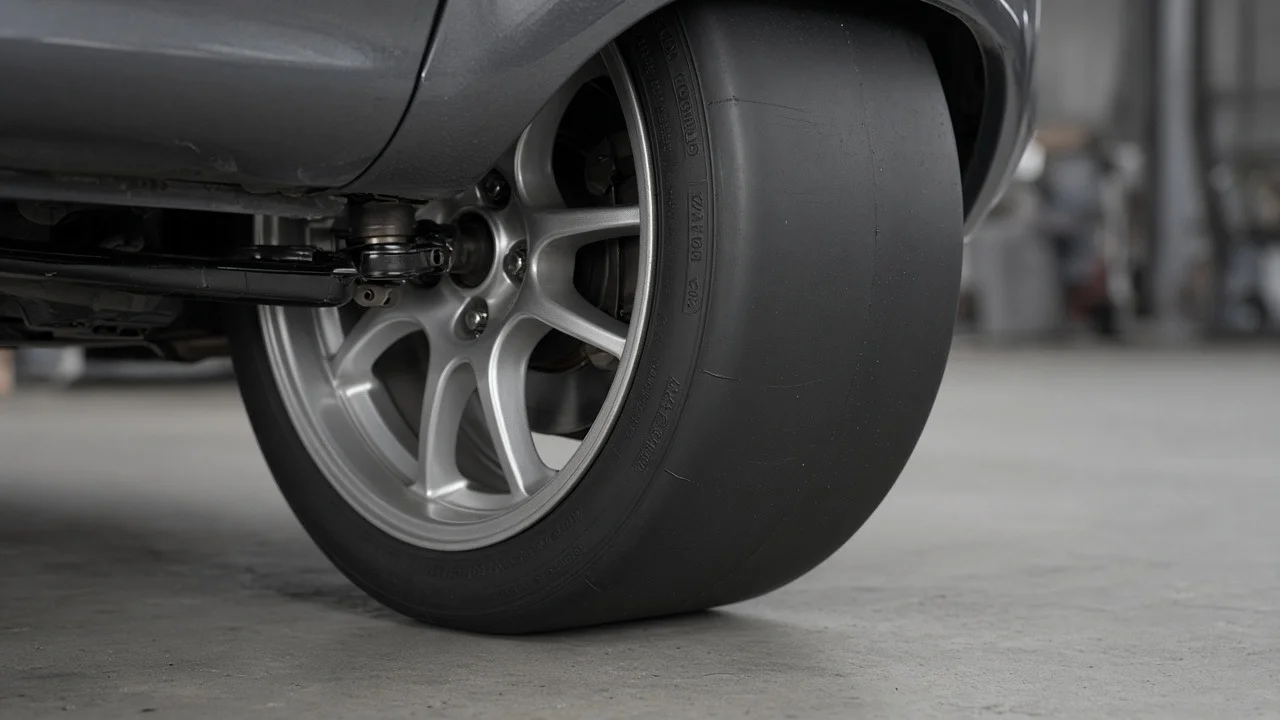
Figuring out when a Hoosier tire was manufactured matters for anyone buying used race tires or managing a competition inventory. Date stamps help owners recognize aging rubber, plan for traction changes, and avoid trusting a tire simply because the tread still looks deep. This overview explains the identification markings, their practical significance, and the limits of what a code alone can prove about a tire’s condition.
Essential answer
A Hoosier tire date code is an identification marking that indicates when a tire was produced. In general automotive practice, the manufacturing week and year are embedded on the sidewall. Hoosier competition tires follow the broader tire industry tradition of marking build timing, but their specific format may differ from the familiar passenger-car DOT code, so a printable chart or reference sheet is often used to translate the characters. The goal is to determine age without relying on vendor memory or old paperwork.
Interpreting the code helps link tire age to service expectations. Performance and racing tires can harden or lose grip as compounds age even when stored correctly, so knowing the build date provides useful context for wheel-to-wheel use. The date code itself is evidence about age, not a direct measure of durometer, damage, or heat cycles. A reference chart can simplify decoding, but drivers should still confirm meanings with manufacturer-specific documentation because some codes vary by plant or construction line.