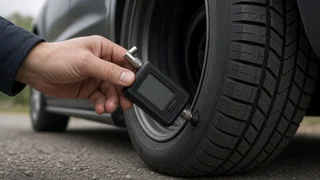
Accutire Digital Tire Pressure Gauge Manual
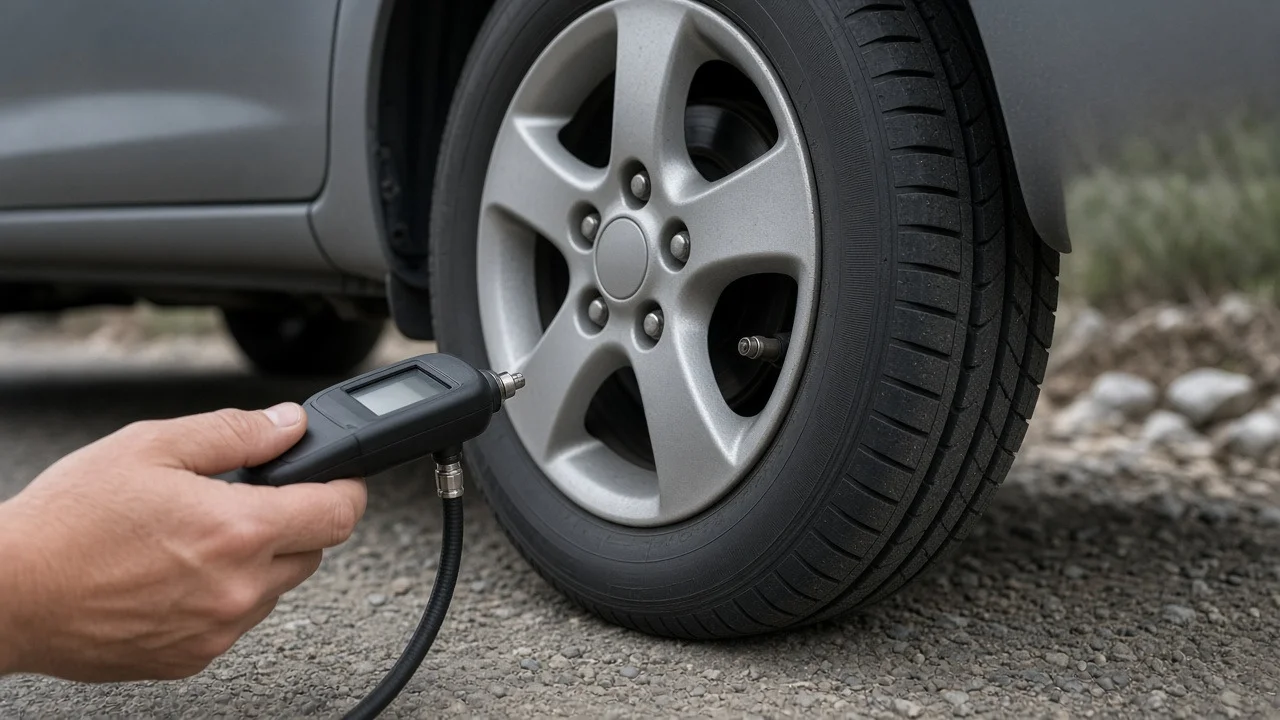
When an Accutire digital tire pressure gauge manual is missing, the driver still needs a reliable way to check inflation. These handheld instruments convert the air pressure at the valve stem into a clear numerical reading, but their usefulness depends on correct connection, stable measurement, and understanding the displayed units. A manual typically explains those steps, yet the underlying automotive principles remain straightforward. This discussion covers what such a gauge does, how to interpret its behavior, and how measurement range and accuracy relate to the vehicle specification without treating the gauge as a substitute for a service-grade reference tool.
Essential answer
An Accutire digital tire pressure gauge manual is an owner-use document for a battery-powered, handheld pressure-measuring device. In automotive service, this type of tool is designed to convert the air pressure inside a tire into an electronic signal, then display that value on a small screen. The essential answer to a search for the manual is that the gauge is meant to be pressed squarely onto the tire's valve stem so that a brief rush of air reaches an internal sensor. The resulting reading is a snapshot of inflation at that moment, usually shown in psi, bar, kPa, or kg/cm² depending on the selected units.
The manual's real role is to define how the gauge should be powered, zeroed, and read, but the automotive reasoning behind those steps is consistent across many digital gauges. Because the device samples pressure only during the short connection to the valve, a weak seal or angled placement can produce an unstable number or no reading at all. For that reason, the supplied instrument should be compared against the vehicle specification listed on the driver's door jamb or owner's information rather than treated as a diagnosis by itself. A clear reading helps confirm whether a tire is near its recommended cold inflation target.