CT Sounds car audio amplifier
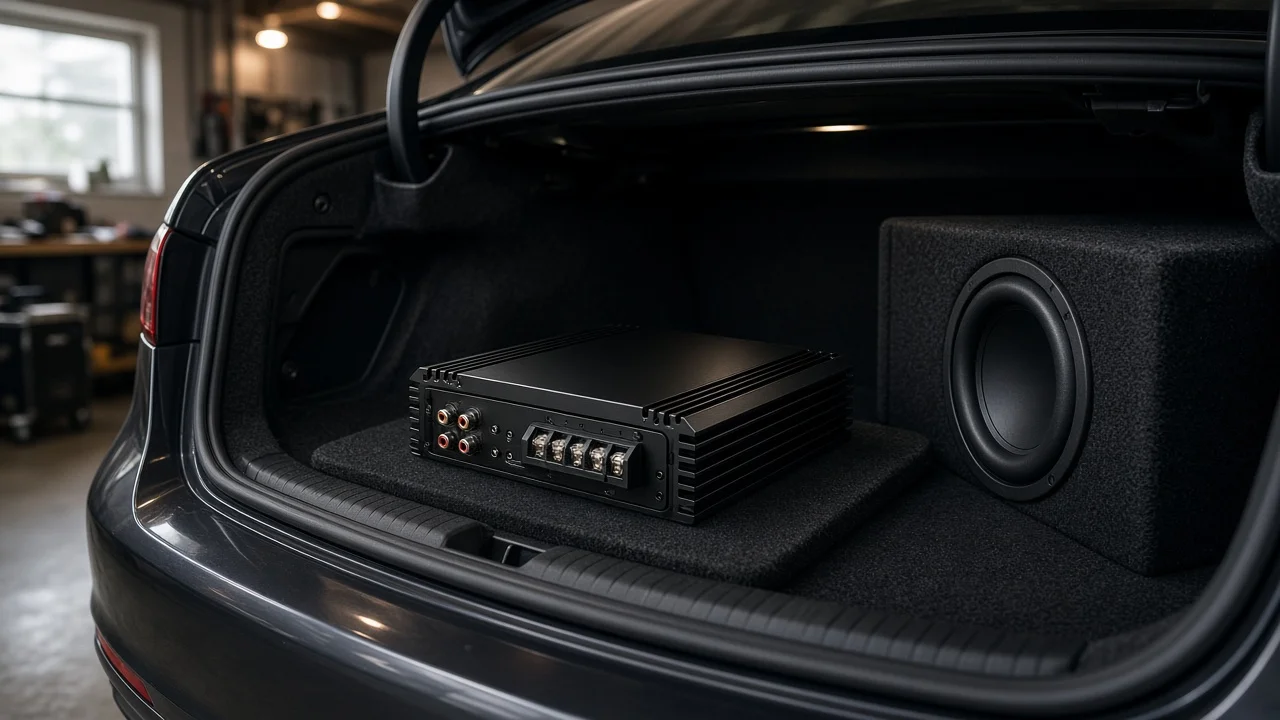
Choosing an aftermarket amplifier for a CT Sounds setup means focusing on how the unit will work with the rest of the audio chain. The core question is not just about peak wattage; it involves matching the output from the head unit, the final impedance load presented by the speaker wiring, and the electrical capacity of the vehicle. A disciplined approach prevents buying an amp that underperforms or goes into protection mode. This guide explains the direct answer shoppers need before committing to a purchase, using practical signal and power reasoning.
The direct answer
The immediate buying decision should focus on RMS power at the impedance your subwoofers or speakers actually present. A CT Sounds amplifier is evaluated by matching its continuous output to the load from the speaker wiring, not by the maximum number printed on the box. If the amplifier cannot supply enough clean power at that load, the system will sound strained long before it gets loud, and clipping from the head unit will increase the risk of thermal damage to voice coils.
A different brand such as a Soundstream car audio amplifier may fit better if the electrical system limits current delivery. A high-output mono block can draw heavily from the battery and alternator, so the condition of the charging system changes the practical result. Confirm the vehicle integration requires a signal level the amplifier accepts, and never treat a fault code, abnormal noise, or distortion as proof that the amp itself has failed without checking the audio source and wiring first.