VinQuery vehicle identification lookup

A VinQuery vehicle identification lookup uses the 17-character vehicle identification number to reveal how a car, truck, or SUV was originally configured. When you see “vinquery vehicle id,” the intent is usually to decode that identifier rather than to search a title or registration record. The result can clarify the model year, assembly plant, trim code, factory equipment, and market specification. Those details matter when you are comparing a used vehicle against its listing, ordering replacement parts, or verifying that an advertised package matches the equipment actually installed on the assembly line.
Essential answer
The essential answer is that VinQuery describes a VIN decoding or identification lookup. It takes the stamped or printed vehicle identification number and translates the structured characters into descriptive vehicle attributes. Because the VIN is standardized in North America, the first characters identify the manufacturer and region, while later positions encode attributes such as body style, engine family, and restraint system. A lookup can therefore confirm whether a vehicle began life as a particular trim rather than relying on badges that may have been changed.
This is different from a registration search. A VinQuery-style lookup focuses on factory configuration, not ownership history, lien status, or title brands. For that reason, it is most useful when evaluating equipment claims, identifying the correct service parts, or understanding what the manufacturer originally fitted. The value of the result depends on how complete the decoding database is, especially for older models, low-volume configurations, or vehicles built for a market specification that uses different option coding.
Identification and location
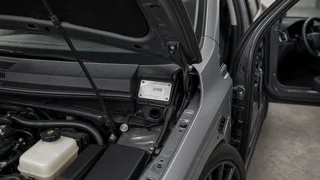
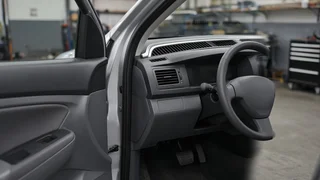
You find the VIN in several established locations. On most vehicles it is visible through the driver-side windshield at the base of the dash, where a small plate or printed label faces outward for inspection. The same number also appears on the driver-side door jamb or door edge, often on a compliance label that includes the trim code and other factory information. Matching the windshield VIN with the door label is a practical check because a replaced door can carry a different identifier from the original body.
The VIN itself contains position-based clues even before a lookup is run. The tenth character represents the model year, the eleventh identifies the assembly plant, and the eighth commonly identifies the engine. Those characters alone can quickly expose a listing that advertises the wrong model year or an engine that does not match the body. Because manufacturer-dependent characters vary, a reliable lookup should be tied to the specific make and market rather than treating every digit in the same way across all brands.