Ford Focus Inner CV Joint
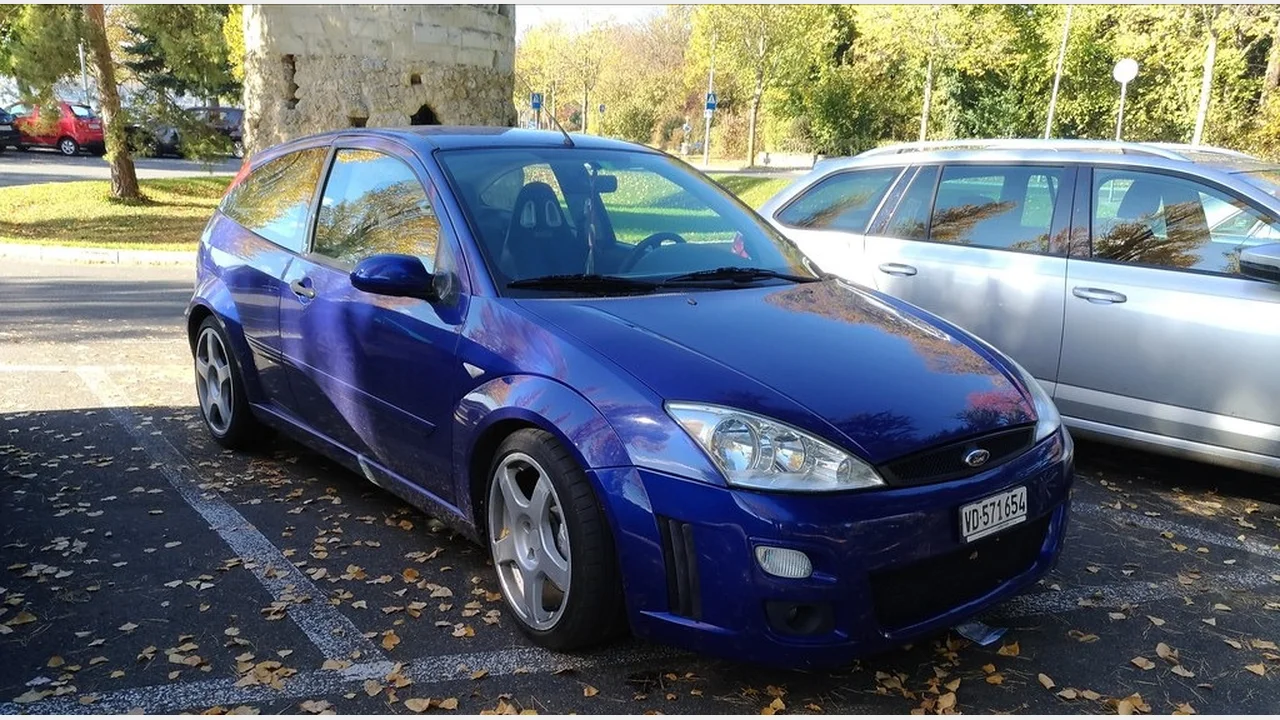
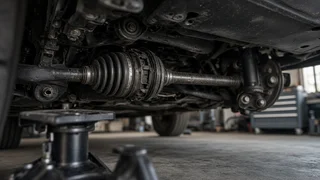
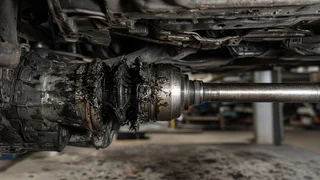
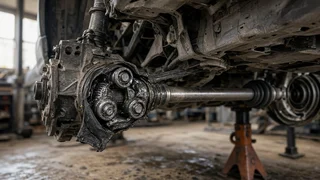
Choosing a replacement Ford Focus inner CV joint means looking past the part number and evaluating how the joint transmits torque where the axle shaft meets the transaxle. The inner joint absorbs plunge and angular movement, so wear can appear as vibration under acceleration, clicking during tight turns, or grease escaping from a split protective boot. Because drivetrain loading changes with ride height, engine output, and joint articulation, the right choice depends on fitment condition, boot quality, spline engagement, and whether a complete axle assembly is a more practical repair than rebuilding the joint.
The direct answer
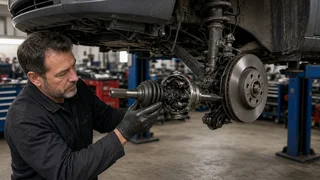
For most Ford Focus owners, purchasing a replacement inner CV joint is a targeted option only when the spline fit, retaining clip, and tripod or ball-type design are confirmed for the specific axle shaft. The more common service choice is a complete rebuilt or new CV axle, because it addresses both inner and outer joints with fresh grease, boots, and clips in one assembly. An inner joint alone makes sense when the outer joint is still tight, the boot damage is recent, and the transaxle-side housing is not worn.
A worn inner joint usually reveals itself through vibration that increases under load, especially during acceleration or when the suspension is compressed. Since joint articulation changes with suspension travel, a shudder that appears only at certain ride heights can point to the inner plunge joint rather than the outer fixed joint. Before selecting a part, confirm whether the noise follows wheel speed, worsens with steering angle, or appears mainly under torque so the inner joint is matched to the actual wear pattern.