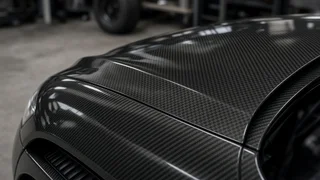
Carbon fiber car parts: types, quality and prices
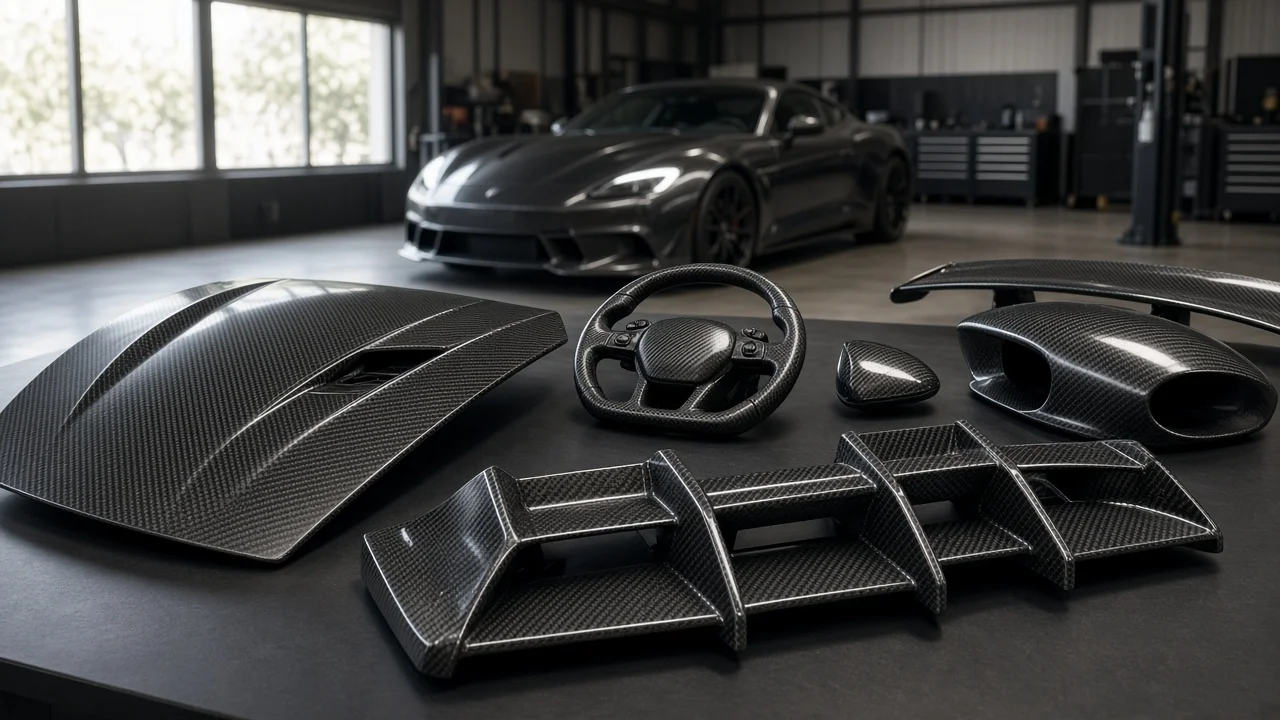
Carbon fiber car parts attract buyers who want a lower-mass appearance upgrade or a structural body panel with a distinctive woven finish. The choices range from dry carbon body components to wet-lay interior trim, forged carbon pieces, and vinyl-look accessories, so quality and value are not consistent across every listing. Understanding how the material is made, where it fits on a vehicle, and how finish defects affect longevity helps a shopper separate genuine composite parts from cosmetic imitations. Price alone rarely tells the whole story, because a cheap skin can look similar to real carbon fiber while behaving very differently once mounted or exposed to sunlight.
The direct answer
The best carbon fiber car parts for a particular vehicle depend first on how the part is produced and where it will be installed. Real carbon fiber uses woven fabric or chopped fiber laminated with resin and cured, which creates a stiff, lightweight structure. Body panels such as hoods, trunk lids, fenders, and spoilers can save weight when they replace steel or aluminum, but only if the mounting points, panel clearance, and finish are correct. Interior parts like dash trims, console covers, and door inserts are often cosmetic overlays rather than structural replacements, so their value comes mainly from appearance and fitment.
Forged carbon fiber car parts use short, randomly oriented fiber chunks compressed in a mold, producing a distinctive marbled pattern instead of a regular weave. This method is genuine composite construction and can be appropriate for complex small shapes, though it is not automatically stronger than a woven laminate. A buyer should compare substrate material, attachment points, and surface preparation rather than assuming that any carbon-look component is true composite. If the goal is primarily visual, a high-quality overlay may be acceptable. If the goal is reduced mass or added rigidity, a real carbon fiber replacement panel with confirmed vehicle-specific fitment is the more practical choice.