2016 Audi Q3 engine oil type
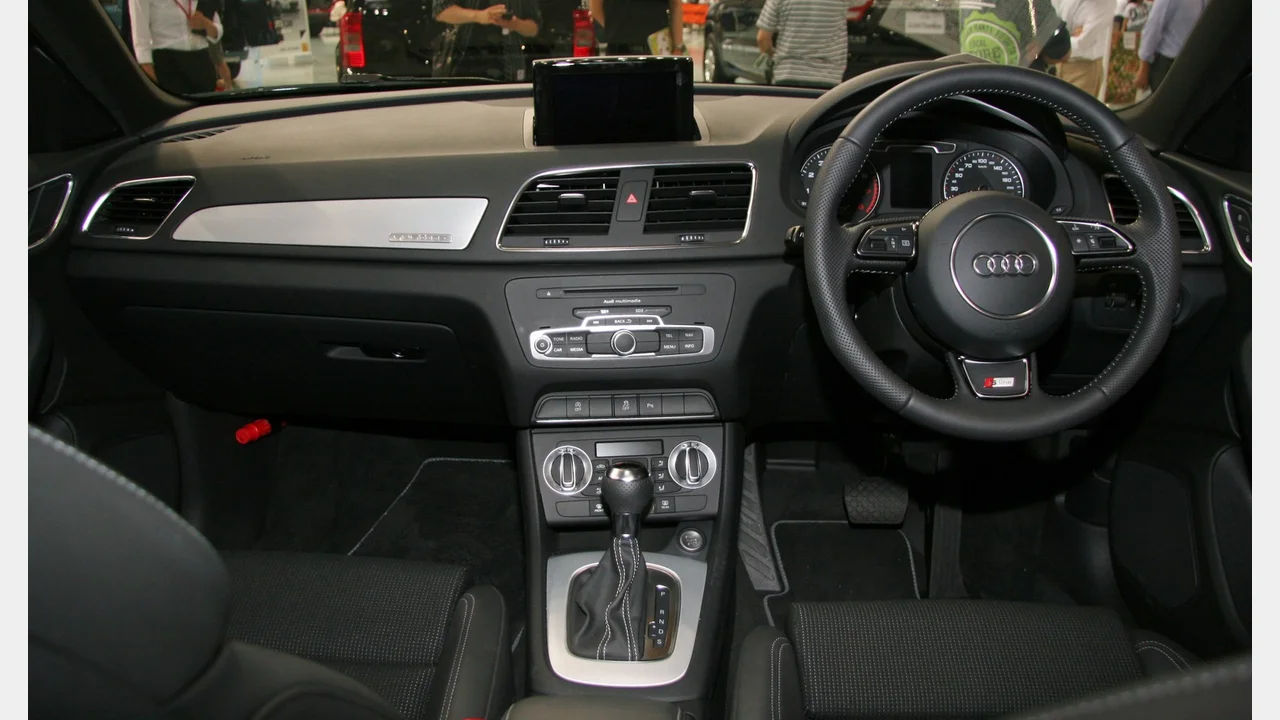
Choosing the right engine oil for a 2016 Audi Q3 matters more than simply topping off the crankcase. The turbocharged powertrain places high thermal and shear loads on the lubricant, so a generic off-the-shelf product may not satisfy the manufacturer approval requirements. Owners often begin with the oil type question, then realize that capacity checks, service intervals, and equipment identification all influence a safe oil change. This guide explains how to interpret lubricant specifications for the Q3, why the correct viscosity and approval standard protect critical components, and how a level check fits into normal ownership without making unsupported claims about exact fill quantities or dealer pricing.
Essential answer
The 2016 Audi Q3 requires a fully synthetic engine oil that carries the appropriate Volkswagen Group lubricant specification for its gasoline turbo engine. In the US market, this typically points to an oil meeting a VW 502 00 or 504 00 approval, depending on the engine calibration and service environment. A common viscosity grade is 5W-40, although some conditions may allow an approved 0W-40 or 5W-30 product. The essential answer is not a single brand; it is a combination of the correct viscosity, synthetic base stock, and the manufacturer approval printed on the container.
Because Audi engines often use direct injection and turbocharging, the lubricant must resist fuel dilution, high-temperature oxidation, and low-speed pre-ignition tendencies. An oil that merely matches the viscosity number but lacks the approval may not contain the additive chemistry the engine expects. Owners should therefore read both the viscosity grade and the approval language during equipment identification before purchase. This qualification materially changes the answer: a shelf label showing 5W-40 is not enough without the relevant VW or Audi standard, especially when the vehicle operates in stop-and-go traffic, cold starts, or extended drain intervals.
A practical level check adds context to the oil type. The Q3 has an electronic oil level indicator in many trims, meaning the hood may not contain a traditional dipstick. Owners can use the vehicle information display after a warm-up and a brief shutdown to read the level in segments or a bar graph. Because the reading depends on oil temperature and surface tilt, checking on level ground with the engine at operating temperature gives a more consistent result. This does not replace the need for correct fill quantity at a service interval, but it helps detect consumption trends between changes.
Understanding fill quantity also prevents overfilling, which can foam the oil and reduce lubrication pressure. Without confirming dealer service data for the specific engine code, owners should not assume a universal capacity. The general principle is that the correct amount is what brings the electronic indicator to the full mark after a filter replacement and a brief run-in. Adding oil in small increments, waiting for the display to update, and avoiding repeated short top-offs is safer than pouring a presumed exact volume. Manufacturer approval and the correct oil type remain the first step; a careful level check completes the routine.