Annual and multi-year car service schedule
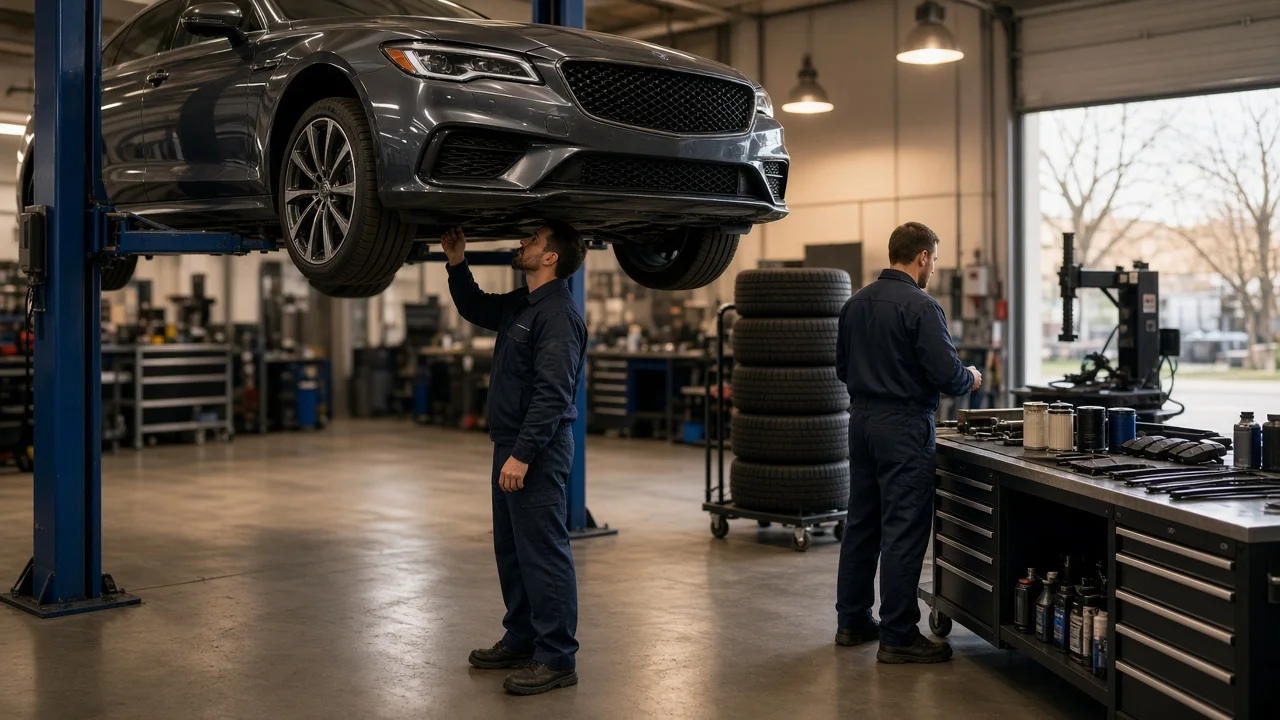
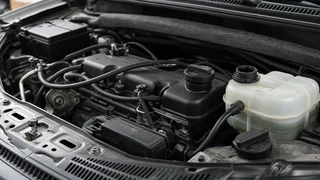
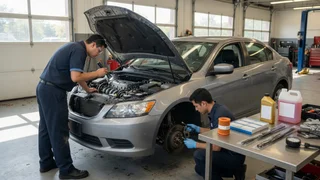
A one-year car service is the scheduled maintenance checkpoint that confirms whether fluids, filters, brakes, tires, and other wear items have aged acceptably after the first twelve months of ownership. Because calendar time degrades engine oil, coolant, and rubber even when mileage is low, this annual visit matters as much as a mileage-based interval. Owners planning a 1 year car service, 3 year car maintenance, or car service after 5 years should view the manufacturer schedule as a minimum baseline, then adjust it for heat, cold, short trips, towing, and dusty roads.
Essential answer
An annual and multi-year car service schedule uses both time and mileage to trigger inspection and replacement of scheduled service items. The one-year mark typically includes an engine oil and filter change, tire rotation, brake inspection, fluid level checks, and a review of the maintenance record. Even a low-mileage vehicle needs this service because moisture, oxidation, and seal aging continue while the car sits, making the calendar interval as important as the odometer reading.
As the vehicle ages, the scope expands. By three years, common items include brake fluid testing, cabin and engine air filter replacement, coolant condition review, and closer attention to battery health and suspension wear. At the five-year point, many schedules add spark plug checks, transmission fluid evaluation, and replacement of aging drive belts or hoses. Each step addresses components that degrade on predictable timelines, so comparing the work done at each annual checkpoint against the manufacturer schedule reveals whether the car remains on its intended service interval.