Volvo engine oil pressure sensor
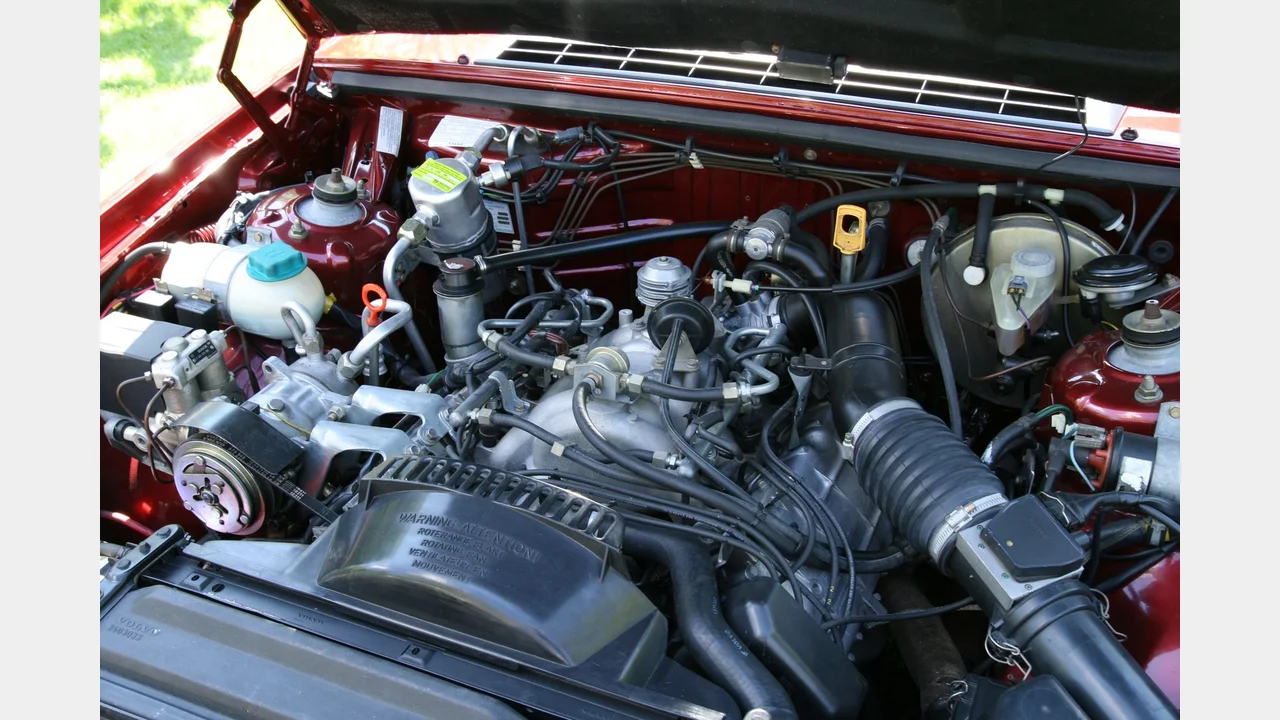
An oil pressure sensor on a Volvo provides a critical early warning by monitoring the engine's lubrication circuit. Instead of measuring oil volume, it detects pressure generated as the pump circulates lubricant through bearings and hydraulic actuators. When pressure drops below a safe threshold, the sensor changes its electrical signal, prompting a warning light or message. Interpreting this signal requires separating an electrical fault, a sensor failure, and a genuine drop in system pressure. Understanding that distinction helps avoid unnecessary repairs while ensuring the engine remains protected.
Essential answer
The engine oil pressure sensor is an electrical transducer that converts physical pressure in the lubrication system into a voltage or resistance value read by the engine control module. On a Volvo, it typically serves two functions: reporting pressure data for internal diagnostics and triggering a low-pressure warning if the value falls outside an expected range. It is not a dipstick or a level gauge. A low level can cause low pressure, but the sensor's direct job is to report the force the oil pump is producing against the engine's internal restrictions.
A failing sensor can produce symptoms that mimic a serious mechanical problem, including intermittent warnings, gauge readings that swing erratically, or a stored fault code. However, the code identifies an abnormal electrical input, not necessarily a ruined oil pump. Before condemning the hardware, the circuit should be inspected for damaged wiring, corroded connectors, or incorrect lubricant viscosity. Confirming the actual mechanical pressure with a separate test gauge is the standard way to distinguish a reporting error from a real lubrication failure.