Toyota Tacoma Tire Load Index
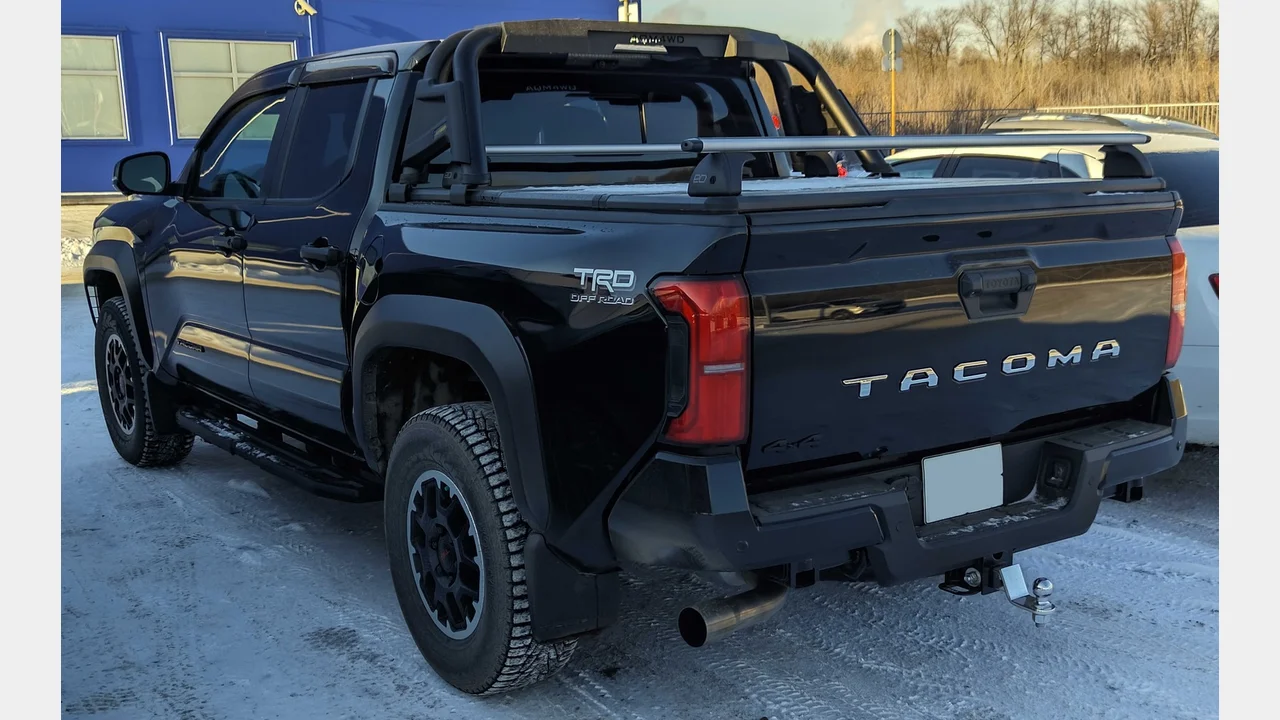
Choosing replacement tires for a Toyota Tacoma involves more than matching the tire size. The load index stamped on the sidewall is a core safety and performance value that tells you how much weight each tire can support when properly inflated. For a midsize truck used for commuting, hauling, or mild off-road driving, understanding this number helps preserve steering response, braking stability, and rear axle capacity. It also prevents the common mistake of installing passenger-car tires with enough diameter but insufficient structural strength for a truck’s weight and cargo demands.
Essential answer
The Tacoma tire load index is a numerical code on the sidewall that corresponds to a maximum load rating per tire. This value is always paired with the tire size and a speed rating, because all three work together to define safe operating limits. A higher load index means a stiffer internal construction, typically with more plies or reinforced belts, allowing the tire to handle greater vertical force without overheating or deforming. The correct figure for a given Tacoma depends on factory equipment, wheel diameter, and whether the truck has a standard or reinforced suspension package.
Published load index tables convert the number into a pound or kilogram capacity, but the tire must also be inflated according to the vehicle placard for that rating to apply. Inflation pressure supports the load; underinflation reduces the tire’s real-world capacity and increases heat buildup even when the sidewall number looks sufficient. For a Tacoma, choosing a load index at or above the original equipment value is the practical baseline. Going slightly higher can add durability for towing or bed loads, while a lower value risks sidewall flex, irregular tread wear, and reduced control under a loaded bed.