Steering Angle Sensor Implausible Signal
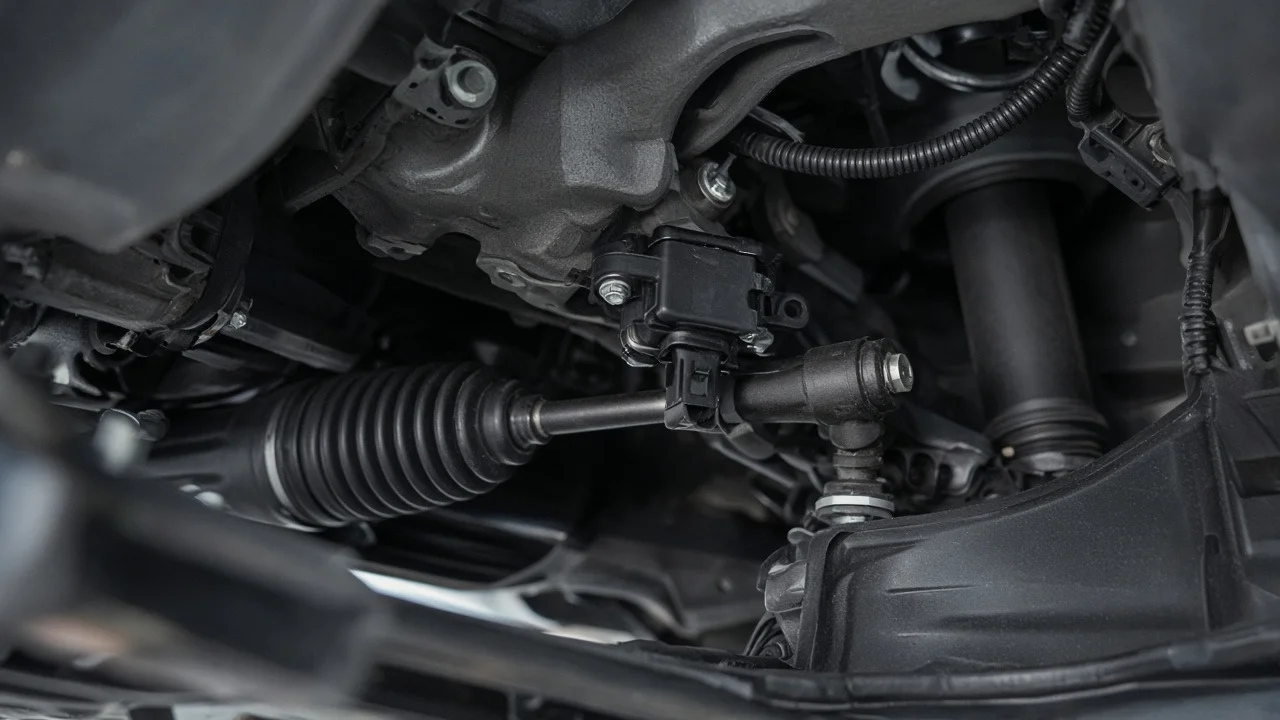
A steering angle sensor plausibility fault means the steering control module is receiving a position signal that conflicts with other vehicle data, such as wheel speed, yaw rate, or lateral acceleration. The condition is a rationality check, not a simple open or short circuit: the reported steering angle does not match the expected value under current driving conditions. When this occurs, the module may suspend or limit stability control, traction control, or electric power steering assistance because it can no longer trust the driver’s commanded direction. The issue often appears after wheel alignment, steering component replacement, or a low battery event. Fixing it requires understanding whether the sensor, its mounting, the steering system, or the calibration is the actual source of the disagreement.
Essential answer
The essential answer is that this diagnostic code reflects a loss of confidence in the steering angle input, not proof that the sensor itself has failed. The control unit compares the steering angle with inputs such as individual wheel speeds and the vehicle’s rotation. When those signals disagree beyond an accepted threshold, the system records an implausible value. Because the check is comparative, supporting components like a worn tie rod, altered ride height, incorrect wheel alignment, or a loose mounting point can create the same fault as a defective sensor. The code means the control strategy has paused a feature that depends on accurate steering position data.
A practical first step is to determine what changed before the light appeared. If the fault follows an alignment, suspension work, or steering rack service, the sensor may simply need recalibration to learn the new straight-ahead reference. If no recent work occurred, look for conditions that shift the measured angle, such as joint play, a bent steering component, or inconsistent tire pressures that affect wheel-speed comparison. Because manufacturer definitions vary, the same wording can behave differently across platforms. Confirming the exact vehicle definition and calibration procedure is more useful than assuming the sensor must be replaced.