Saab 9-3 Steering Angle Sensor Reset
A Saab 9-3 steering angle sensor reset typically becomes necessary after the steering system loses its calibrated center reference. This often happens after a wheel alignment, suspension work, or battery disconnect, which can trigger a stability control warning. The reset procedure teaches the module where straight ahead actually is. Because model years and electronic architectures vary, the exact method depends on the equipment installed. Understanding this process helps distinguish a simple relearn from a genuine sensor or wiring fault before replacing parts unnecessarily.
Essential answer
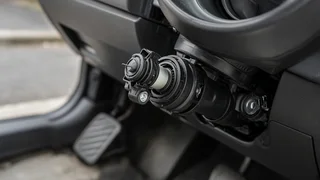
For most Saab 9-3 generations, the steering angle sensor reset is a calibration routine that re-establishes the zero point for the steering wheel position signal. The sensor measures rotation, but the control module must know which position corresponds to the wheels pointing straight. Without this reference, the electronic stability program may intervene incorrectly, illuminate a warning lamp, or store a fault code. The reset is often performed with a compatible scan tool, though some vehicles may complete a basic relearn by turning the wheel lock to lock during a short drive.
Before attempting a reset, the mechanical alignment should be verified, because the sensor calibration cannot fix a car with incorrect toe or a crooked steering wheel. Mounting points, joint play, and ride height all affect the physical center position. If the steering wheel is off-center while driving straight, an alignment correction is required first. The reset then records that corrected position. Codes related to the steering angle sensor are diagnostic evidence, not proof that the sensor itself has failed; wiring and installation faults can produce similar symptoms.