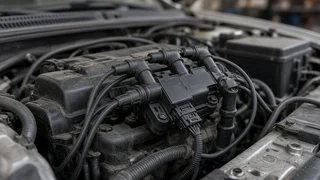
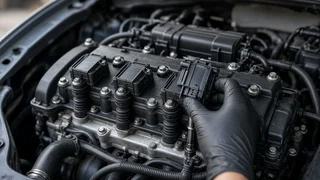
Testing an ignition coil off the car
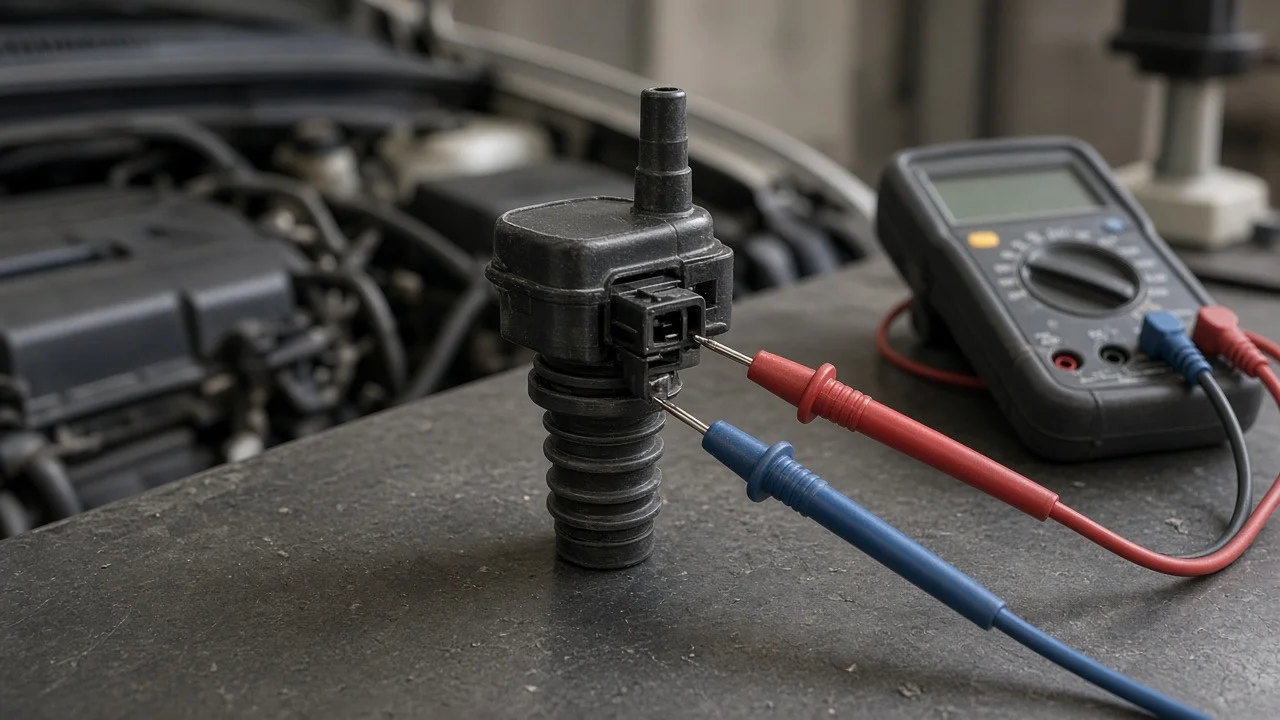
Testing an ignition coil off the car gives you a controlled way to judge the part before reinstalling it or changing an unknown spare. A dedicated off car ignition coil tester can reveal open windings, damaged insulation, or a weak secondary that a simple visual check misses. Bench results are useful, but they are not a full diagnosis. The coil still has to perform with the starter circuit, battery state of charge, ignition switch, cranking speed, fuel delivery, and other diagnostic checks in place.
Essential answer
The essential answer is that most ignition coils can be checked away from the engine with a digital multimeter or a dedicated off car ignition coil tester. Resistance tests across the primary terminals and between the secondary tower and a primary terminal identify definite open circuits or shorted windings. A coil that fails these tests should be replaced, while one that passes may still misfire under heat or high demand because a cold low-voltage check cannot reproduce every operating condition.
Bench testing is most reliable for ruling out gross electrical failures, not for proving perfect performance. Spark testers can add useful information by asking whether the coil can jump a controlled air gap, which better represents the voltage demand inside the cylinder. Even then, the result should be interpreted alongside cranking speed and battery state of charge because a slow starter or low system voltage changes coil charging. A fault code is evidence to guide testing, not proof that the coil alone has failed.