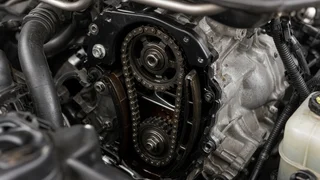
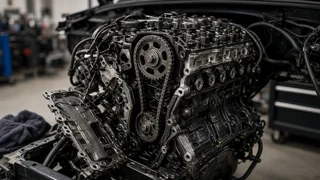
Suzuki K6A timing chain
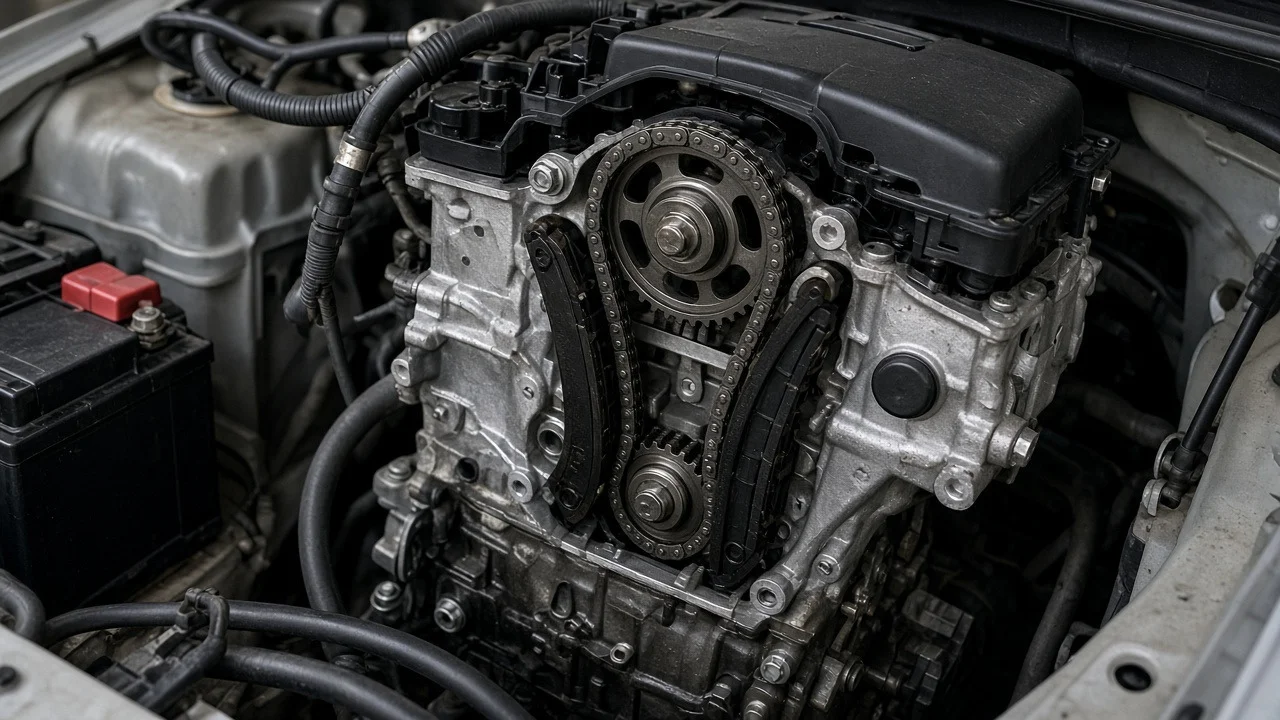
The Suzuki K6A is a small-displacement engine family that appears in a variety of kei-class and compact vehicles, and its timing chain is part of the valvetrain that keeps the camshaft and crankshaft synchronized. Owners researching the K6A engine timing chain often want to understand how the cam drive system works, what symptoms suggest wear or stretch, and why service history and symptom conditions matter before reaching a conclusion. A timing chain is more durable than a belt in many applications, but it still operates under load and can develop noise, slack, or timing-related faults over time. The answer begins with the engine configuration and the role of the chain in controlling valve events.
Essential answer
A K6A engine timing chain is the metal link chain that drives one or more camshafts from the crankshaft. In this engine configuration, the chain is normally enclosed inside the timing cover and lubricated by engine oil. Because it is designed as a long-life component, there is not always a fixed replacement interval like a rubber timing belt. However, chain wear, guide wear, tensioner degradation, or oil pressure problems can still create slack. The direct answer is that the chain is a serviceable engine component, not a routine maintenance item unless symptoms or inspection show a problem.
Diagnosis should begin with the conditions under which a symptom appears. A cold-start rattle that fades quickly can point to a tensioner that is slow to take up slack, while a persistent metallic noise may suggest chain stretch or a worn guide. Diagnostic codes related to camshaft or crankshaft correlation are evidence to interpret, not proof that the chain itself has failed. Manufacturer specifications and vehicle-specific confirmation are important because timing-related codes can also come from a faulty sensor, wiring issue, or oil control valve problem in engines with variable valve timing. Service history helps show whether oil changes were neglected, which can accelerate chain and guide wear.