Effects of a Bad Oxygen Sensor
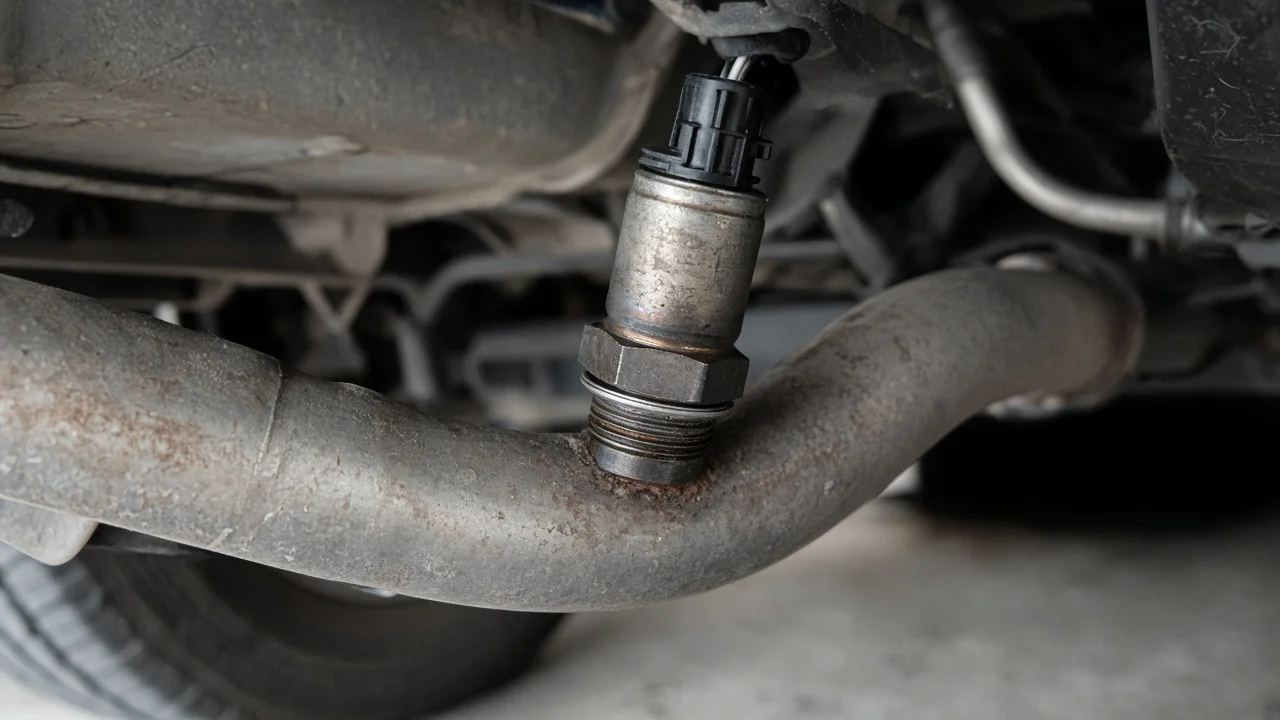
A failing oxygen sensor changes how the engine reads its own exhaust, and the effects can move quickly from subtle to expensive. The sensor sits in the exhaust stream and reports oxygen content so the powertrain control module can adjust fuel delivery. When that signal becomes slow, biased, or dead, the engine may run rich or lean, waste fuel, and increase stress on the catalytic converter. Understanding these effects of a bad oxygen sensor in a car helps owners recognize early warning signs before emissions compliance and driveability worsen.
Essential answer
The essential effect of a bad oxygen sensor is incorrect air-fuel ratio control. The sensor compares oxygen in the exhaust with outside air and produces a voltage signal. A healthy sensor swings rapidly between high and low readings as the engine controller trims fuel. When the sensor becomes sluggish or fails, the controller may hold the mixture too rich, which wastes fuel and increases hydrocarbon output, or too lean, which can cause hesitation and higher combustion temperatures. Either condition reduces efficiency and can eventually damage other exhaust components.
A failed sensor may also create misleading diagnostic codes because the controller receives values that look possible but are inaccurate. For example, a sensor that reports a constant lean condition can cause the controller to add fuel continuously, enriching the mixture despite the absence of an actual exhaust leak. Over time, unburned fuel can overheat the catalytic converter. The sensor itself is not always the failed part; damaged wiring, a poor mounting seal, or an actual exhaust leak can alter the reading, so diagnosis should confirm the source of the bad signal.