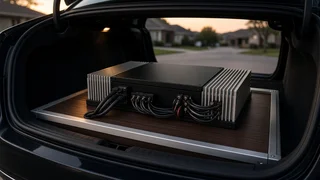
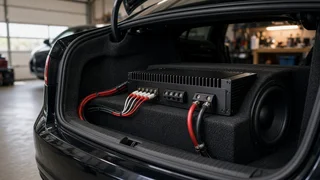
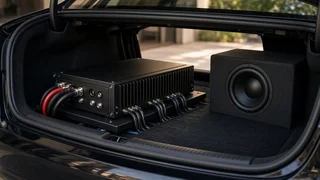
Car audio amplifier 200W
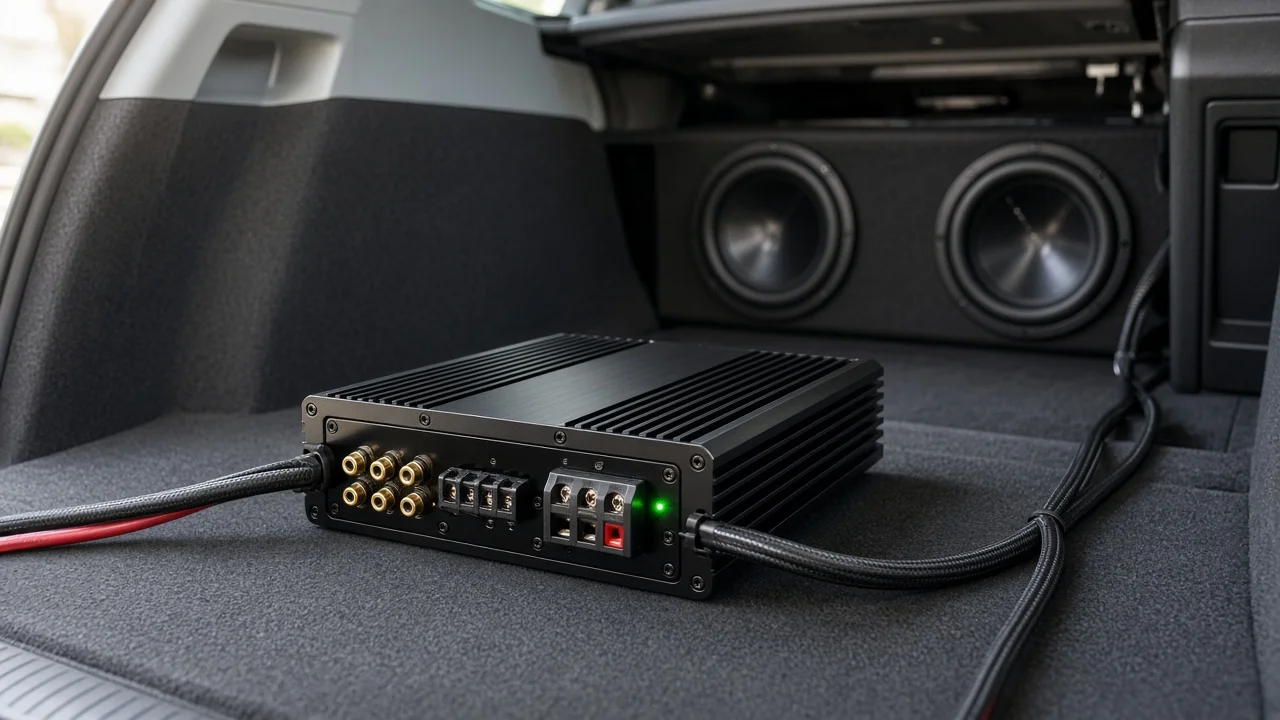
Choosing a 200W car audio amplifier starts with understanding what that power rating means in the real listening environment of a vehicle. Unlike a home stereo, a car system must work around road noise, a constrained electrical supply, and varied speaker wiring between the head unit and drivers. The right amplifier should lift clean output without forcing the electrical system beyond what it can reliably provide. It also has to match the signal coming from the audio source and the impedance of connected speakers. A purchase decision therefore depends less on a single wattage number and more on how the amplifier fits the whole vehicle integration.
The direct answer
A 200W car audio amplifier can be a solid upgrade, but the advertised output only matters when it is compared under the same conditions. Look at the RMS figure into the actual speaker impedance you plan to run, typically 4 ohms or 2 ohms, rather than a peak or max number. A stable amplifier that makes roughly 50W RMS per channel into four channels, or about 100W RMS per channel into a pair of speakers, usually fits the 200W description realistically. The benefit is stronger clarity and headroom over a weak factory output, especially at moderate highway volume levels.
Confirm that the head unit can send a clean signal through its preamp outputs or speaker-level inputs, and that the vehicle alternator and battery are healthy enough for the extra current draw. In many stock vehicles a true 200W RMS setup is practical, but wiring gauge, grounding, and fuse placement affect how well it performs. Speaker wiring should also be checked for corrosion or damage. If the system will be run hard for long periods, a dedicated power line with the correct capacity helps prevent voltage sag and protects the amplifier.