Full-Size Spare Tire Pressure
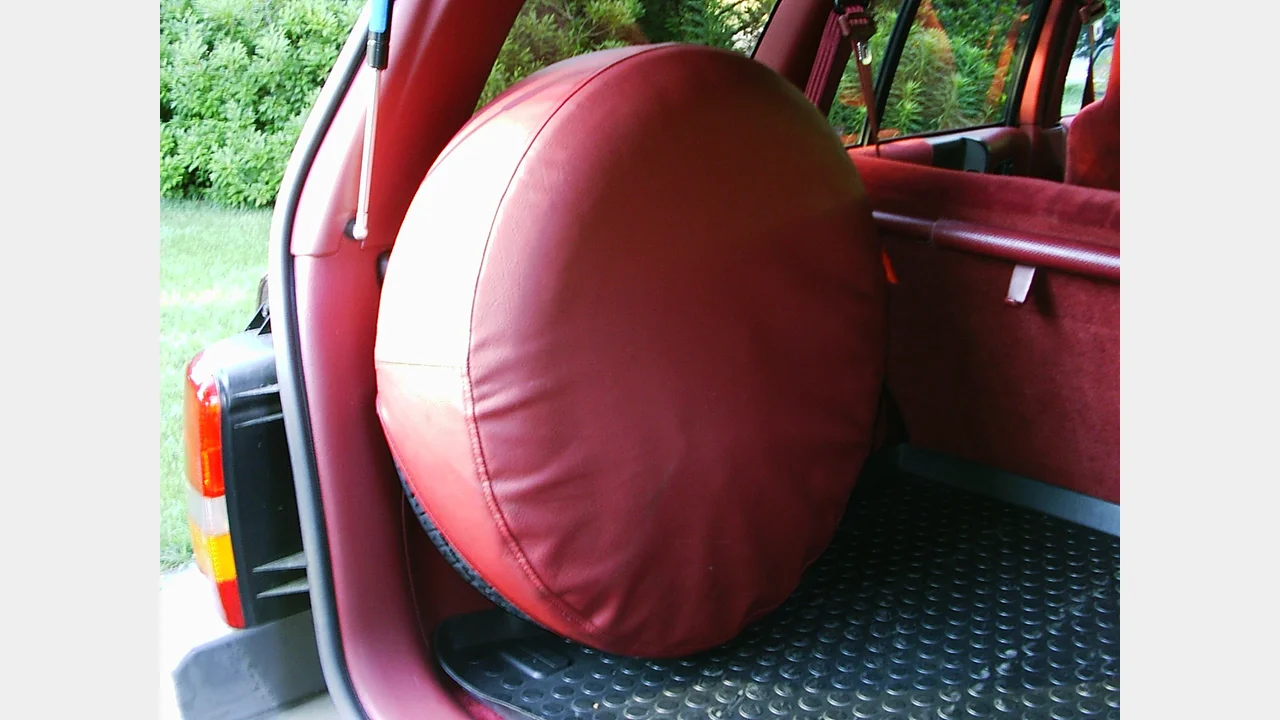
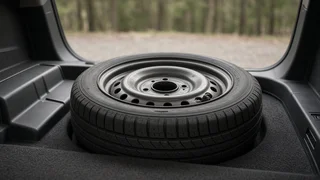
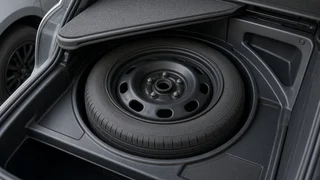
A full-size spare is convenient because it matches the diameter and general footprint of the road tires, but its pressure needs are not automatically the same as every other wheel. Drivers often discover this after a puncture, when the spare is cold, unused, or older than expected. Checking full size spare tire pressure before installation helps maintain steering, braking, and stability. The correct target depends on the vehicle placard, tire load capacity, and drivetrain configuration, not on a single universal number. Understanding those relationships turns a roadside emergency into a controlled repair rather than a guess.
Essential answer
The direct answer is that a full-size spare should generally be inflated to the pressure listed for the position where it will be used, unless the placard or owner's manual gives a separate spare specification. Because the tire matches the vehicle's rolling diameter, it does not impose the severe speed and distance limits of a compact temporary spare. Still, matching inflation pressure matters because the tire's load index and handling behavior are rated at a specific pressure. Underinflation can make steering soft and generate heat, while overinflation can reduce the contact patch and make braking less predictable, especially if the spare is mounted on a drive axle.
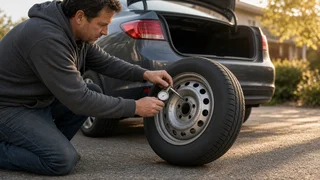
On many vehicles the spare is a matching wheel and tire, so the normal cold pressure for the front or rear axle is the safest starting point. However, a full-size spare may have a different wheel offset, tread depth, or age than the road tires, and those differences affect grip even when the pressure is correct. If the spare is rotated into regular service, its inflation pressure should be checked with a reliable gauge when the tire is cold. A full-size spare that has been stored under load for months can lose several psi, so measuring rather than assuming is the practical step before installation.