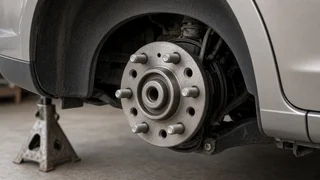
Chevy 2500 Wheel Bolt Pattern and Offset

Choosing replacement wheels for a heavy-duty pickup involves more than matching the tire size. The Chevy 2500 uses a specific wheel bolt pattern and offset range that affect hub fitment, steering geometry, brake clearance, and how the tire sits within the wheel opening. Understanding those two measurements helps owners compare factory and aftermarket wheels without guessing. It also explains why a wheel that fits a lighter half-ton model may not be safe or correct on a three-quarter-ton truck, even when the rim diameter looks similar.
Essential answer
The essential answer is that a Chevy 2500 wheel must match the truck's bolt pattern, which describes the number of lug holes and the diameter of the circle they form. Wheel offset then determines where the mounting surface sits relative to the rim's centerline. A hub-centric wheel centers on the axle flange, helping distribute load across the studs rather than relying only on the lug nuts. Because the 2500 is a heavy-duty platform, the bolt pattern is generally not interchangeable with light-duty truck patterns from the same era, making the measurement a useful first filter when shopping.
Offset works with rim width to position the tire inside the wheel well. A higher positive offset pulls the wheel inward, while a lower or negative number pushes the tire outward. This changes scrub radius, fender clearance, and the load path through the hub bearings. A wheel with the correct bolt pattern but the wrong offset can clear the caliper yet rub the fender liner or alter steering feel. For that reason, both values should be considered together rather than treating the bolt pattern as the only compatibility requirement.