Acura TL Wheel Offset
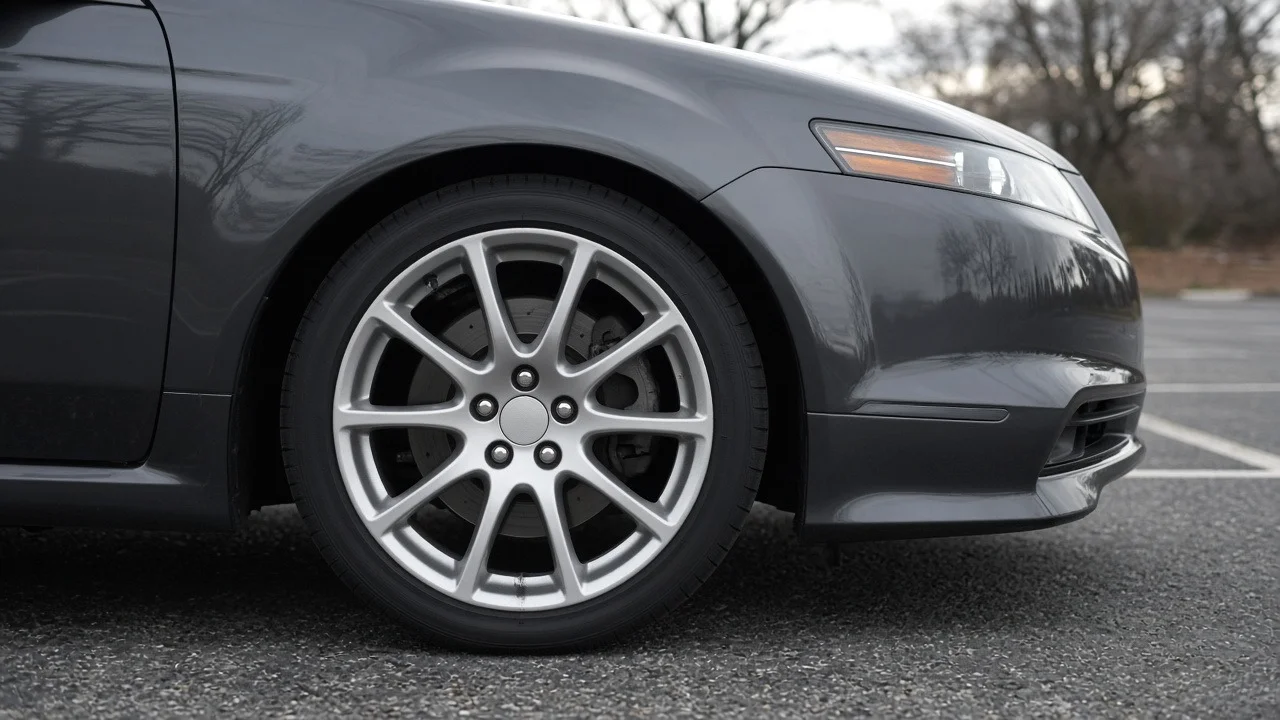
Choosing wheels for an Acura TL involves more than rim diameter and width. The offset determines where the tire sits inside the wheel well, which affects steering feel, clearance, and suspension loading. An incorrect offset can cause rubbing, altered handling, or unwanted stress on bearings. Understanding this measurement helps owners evaluate factory, Type-S, and aftermarket fitments. The following overview explains how offset works, what it means for a TL, and why year or trim differences matter when comparing wheels.
Essential answer
Wheel offset is the distance between the wheel's mounting face and the centerline of the rim, usually expressed in millimeters. A zero offset places the hub face exactly at the rim center. Positive offset tucks the wheel inward toward the suspension, while negative offset pushes the tire outward. For a front-drive sedan like the Acura TL, the specification is typically a positive value. This positions the tire correctly under the fender, preserves steering geometry, and keeps the contact patch aligned with the suspension's intended pivot points.
The exact offset varies across Acura TL generations, wheel widths, and trims such as the Type-S. A wider rim with the same offset shifts both the inner and outer edges, so offset cannot be judged alone. Owners researching a 2012 Acura TL wheel offset or a Type-S fitment should consider rim diameter, rim width, tire compatibility, and bolt pattern together. Small differences can change clearance between the tire, strut, and fender lip, especially when the suspension compresses or the front wheels are turned to full lock.