Harbor Freight Tire Bead Seater
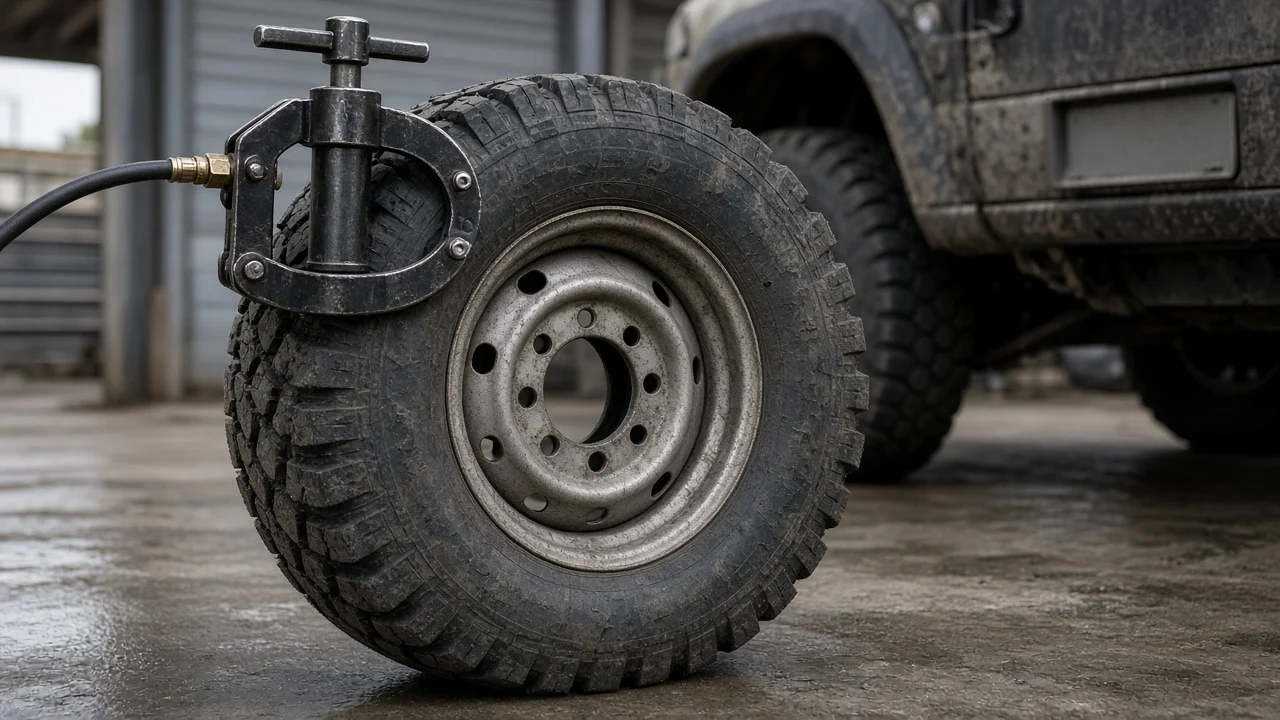
A tire that will not seat against the rim turns a simple flat repair into a stalled job. The problem is usually not the rubber itself but the burst of air needed to snap the outer bead into place. Shoppers comparing a Harbor Freight tire bead seater, tank-style inflators, and similar tools sold near them are really looking for enough stored volume and a controlled blast. The right purchase depends on wheel width, inflation pressure needs, and whether this is occasional shop work or repeated roadside use.
The direct answer
A bead seater works by discharging a large volume of compressed air suddenly between the tire sidewall and the wheel lip. That rush forces the tire outward until the bead contacts the rim, after which normal inflation pressure holds it in place. A tank-style unit sold by Harbor Freight is one of the most straightforward options for this task because the reservoir stores the air blast rather than relying on a small compressor to build pressure quickly. For many passenger tires, a manual blast tank is enough to seat beads that a standard air chuck cannot.
The condition that changes this answer is wheel design. Wide truck, ATV, or stiff low-profile tires may need a larger tank volume or repeated short discharges to overcome the gap between the tire and rim. If the tire is severely deformed from storage or shipping, the bead area may also need lubrication and gradual pre-inflation before the blast. In those cases, the Harbor Freight tool is still useful, but success depends more on rim width, tire size, and the available shop air supply than on the brand name alone. For drivers comparing a bead seater at Tractor Supply, NAPA, O'Reilly, or online sellers, checking the tank capacity and valve layout matters more than the store badge.