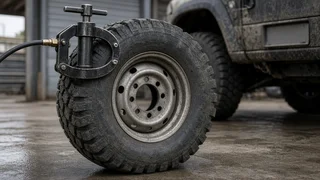
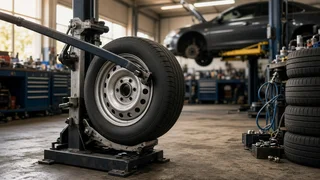
Harbor Freight Tire Bead Breaker
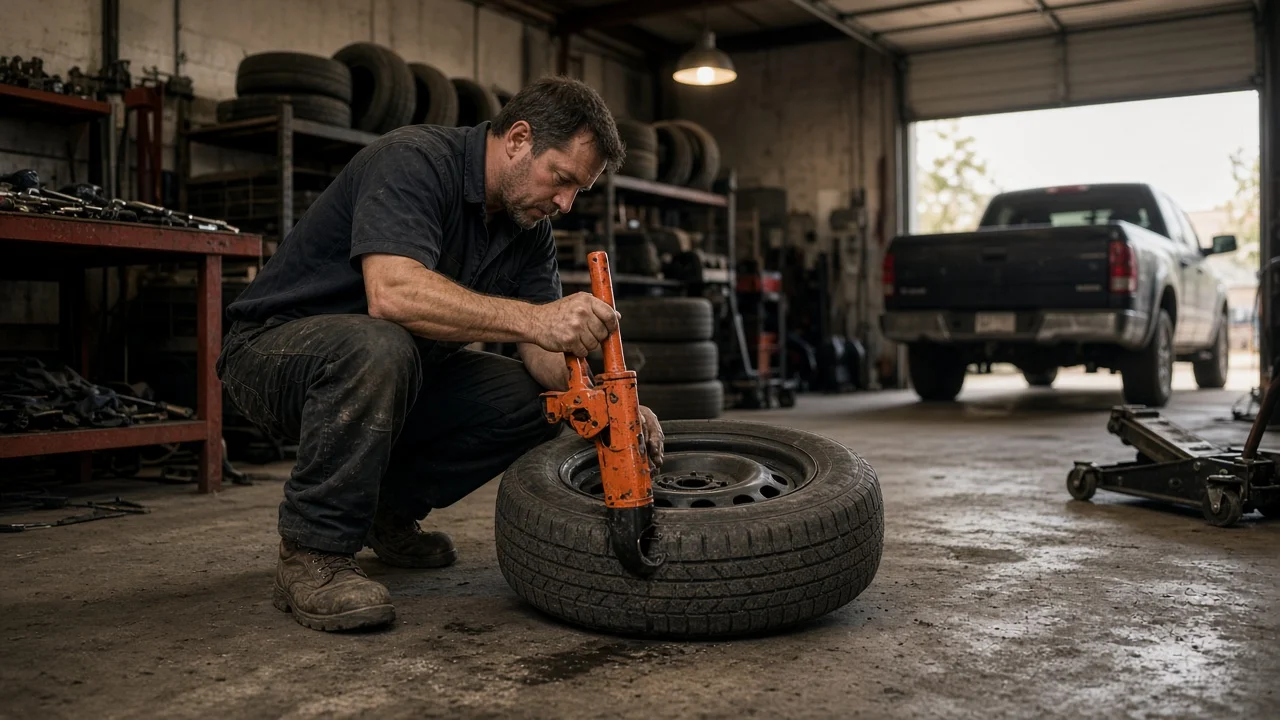
Choosing a Harbor Freight tire bead breaker usually means you are separating a tire from a rim at home or in a small shop. The task requires enough leverage to push the tire bead away from the wheel lip without cutting the rubber or bending the rim. This guide explains what to look for when buying or using a tire bead breaker from Harbor Freight tools, including how the different designs and working angles affect leverage, control, and results.
The direct answer
A tire bead breaker is built around one simple job: forcing the tire bead inward so the wheel can be worked or the tire can be removed. The tool presses against the tire sidewall near the rim, concentrating force in a small area. That focused pressure works best when the wheel is firmly supported and the tire is fully deflated, because remaining inflation pressure keeps the bead seated against the rim and makes the tool fight you. Let the air out completely, remove the valve core if you have a suitable tool, and position the bead breaker close to but not directly on the rim edge. Keeping the contact face clean reduces the chance of slicing into the bead during a hard pull.
With a Harbor Freight tire bead breaker, the useful measurement is not just how long the handle is but where the force travels. A longer handle helps create more torque at the working end, yet a bent or swan neck design changes the approach angle on different wheel shapes. Deep rims often benefit from a tool that reaches over the outer lip, while a flat-blade design may dig in sooner on narrow rims or smaller tire sizes. Wheels with lower-profile sidewalls, higher speed ratings, or stiffer load-index construction can require more effort because the bead package resists flexing. Working patiently around the bead in several spots is more effective than forcing one spot all at once.