Report dangerous driving in Bristol
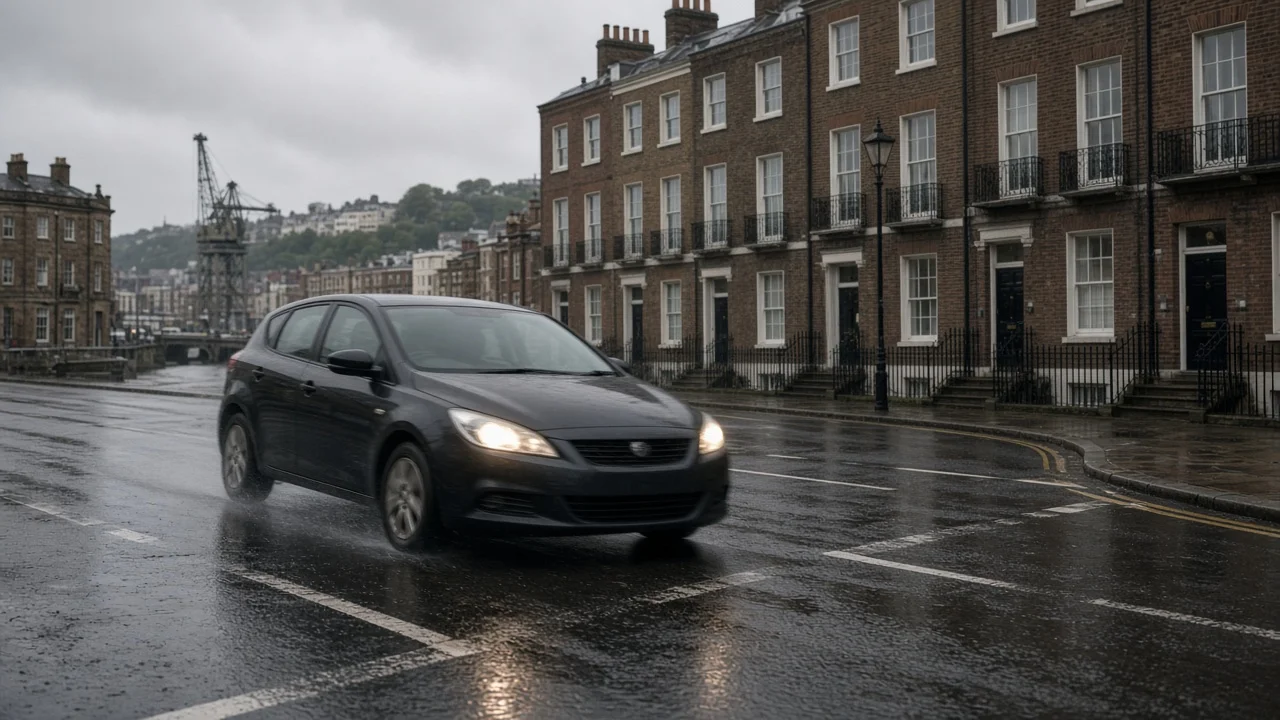
Reporting dangerous driving in Bristol connects a specific road observation with the authorities who can act on it. The process is not an accusation or a diagnostic conclusion; it is a structured way to document a route segment, a maneuver, or a pattern of behavior so trained staff can review it. Because road classification, lane layout, traffic signs, and access restrictions all affect what is legal and what is hazardous, the most useful report describes what was observed and where, without inventing fault or presuming a penalty. This overview explains the essential scope and a sensible next step.
Essential answer
The essential answer is that you can submit a report about a concerning road user or driving behavior in Bristol by routing your observation to the authority responsible for that road and type of incident. The value of the report depends on capturing the event accurately: the relevant road classification, the direction of travel, the lane layout, and any traffic signs or access restrictions that frame the maneuver. An unverified claim has little use, while a clear, descriptive account of the travel conditions helps the receiving office decide whether the event falls within its enforcement or road-safety remit.
A report is a starting point, not a resolution. For road traffic offenses that may involve urgent danger, the appropriate response is often to contact police through the current non-emergency route for the area; emergency contact is warranted only when an immediate risk to life or property is unfolding. For continuing problems such as a poorly marked merge, an obscured sign, or a junction whose lane layout invites conflict, reporting the location as a road-safety concern may reach the highway authority. The practical step is therefore to match the observation to the correct channel and describe the route segment precisely.