Outdoor car storage in Las Vegas
Choosing outdoor car storage in Las Vegas means planning for intense sun, high heat, dust, and occasional flash flooding. The desert climate punishes paint, rubber, batteries, and interiors faster than many other regions. A useful decision weighs security, shade, surface, access, and how the storage conditions interact with your vehicle. Whether you need short-term parking or long-term seasonal storage, the right lot or space should reduce weather exposure and make basic upkeep realistic. This guide explains what to look for in a facility, how outdoor storage affects a vehicle, and which practical steps help protect it between drives.
The direct answer
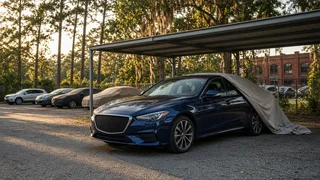
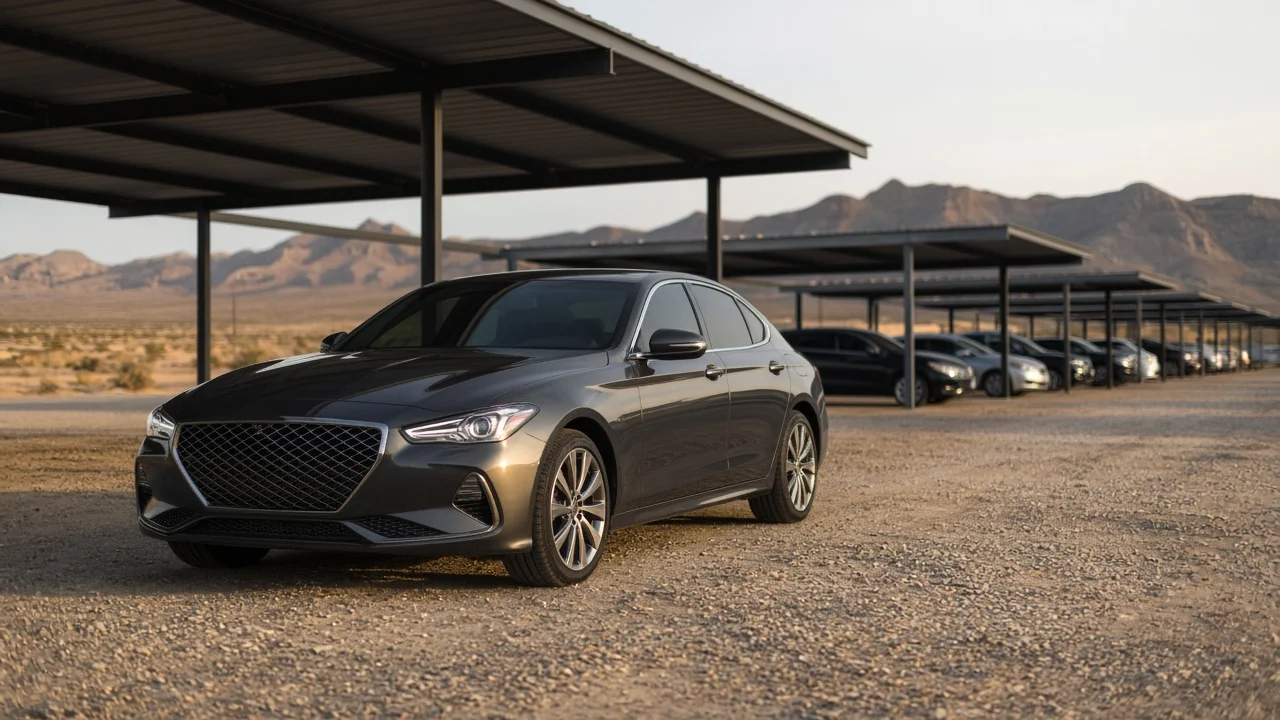
The immediate answer is that outdoor car storage in Las Vegas is workable only when the specific space and your preparation address sun load and heat. A bare asphalt pad with no shade is the harshest common option. The vehicle sits in reflected heat, the cabin can climb far above ambient temperature, and ultraviolet light steadily degrades clear coat, trim, and interior plastics. A better choice is a covered outdoor space, such as a canopy or shade structure, because it blocks direct sunlight while still allowing air to move around the vehicle. If no covered space fits your budget, a reflective windshield shade and a quality protective cover become more important.
Surface and drainage also change the direct answer. Paved lots reduce dust but can hold heat, while gravel or dirt may be cooler yet create more abrasive wind-blown grit. Locations near washes or low points carry a flash-flood risk during monsoon storms, when water can rise quickly even if the sky nearby looks clear. Look for a facility with positive drainage, sturdy tie-downs or anchors for covers, and access hours that match how often you plan to start and move the vehicle. A storage choice that ignores these desert-specific conditions can create more deterioration than ordinary street parking.