Handle a Toms River parking violation
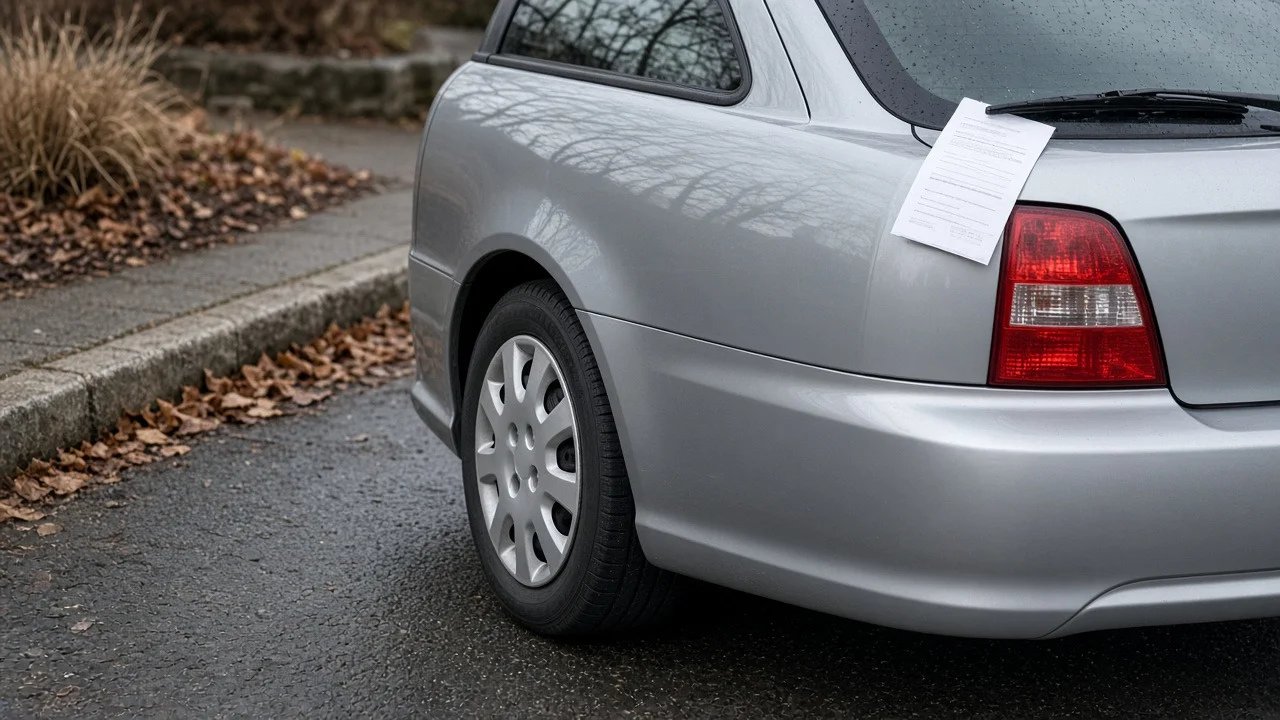
A Toms River parking violation needs a clear, practical response that protects your driving record and wallet. Start by reading the notice carefully to identify the issuing agency, the code or ordinance cited, and every deadline shown. Then compare that information with the posted signs, curb markings, available clearance, and your vehicle dimensions at the cited location. Local rules can differ between a municipal ticket, a private lot notice, or a court appearance requirement, and that distinction changes which payment, appeal, or review option fits your situation.
The direct answer
Treat the document as evidence of an alleged violation, not automatic proof that you must pay without checking the details. The notice should tell you whether it came from Toms River municipal enforcement, a parking authority, or a private operator, and that source determines the procedure. Look for the exact violation description, the amount if listed, and any response deadline. A missing or illegible citation number, wrong license plate, or inconsistent location may support a correction request, but the deadline still matters because inaction can turn a simple parking matter into a larger fine or hold.
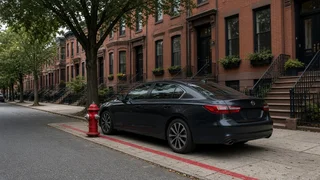
Before deciding, revisit the scene with the vehicle dimensions and maneuvering space in mind. Parking restrictions often turn on where the tire sits, how far the bumper extends, or whether the vehicle blocks a marked zone, driveway apron, fire lane, or accessible aisle. Photograph the posted signs from the driver’s approach, the curb paint if present, and the space around your car. If a sign was turned, hidden by foliage, or placed beyond the sightline, that condition may become part of your written explanation, but only the specific ordinance and local rules determine whether it is a defense, a reduction factor, or simply context.