Manual car hand controls

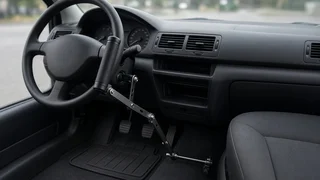
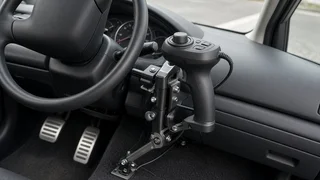
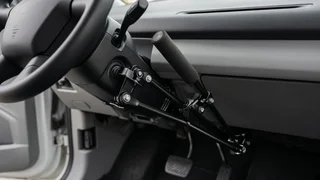
Manual car hand controls replace or supplement foot operation for drivers who cannot safely use the standard pedals. These systems transfer accelerator and braking functions to levers, rings, or push-pull mechanisms mounted near the steering wheel or floor. Understanding the available control types, how they connect to the brake linkage and hand-operated accelerator, and what a typical installation involves can help a driver evaluate whether an adapted setup fits their needs and vehicle.
Essential answer
Manual car hand controls are adaptive devices that allow a driver to manage throttle and braking without using the lower body. The core concept is simple: a hand-operated accelerator sends input to the engine, while a connected lever or handle applies force to the brake pedal or directly to the brake linkage. These systems return control of speed and stopping to the upper body, preserving normal steering hand position where possible.
A proper setup depends on the driver’s physical operating range, arm strength, and the vehicle’s interior dimensions. The control mounting position must give the driver full travel without striking the knee or blocking the shifter. Because pedal clearance and lever geometry vary, the equipment is not universal. A driver assessment is an important step; it helps match the mechanism to how the person can push, pull, or twist the control repeatedly and safely while driving.