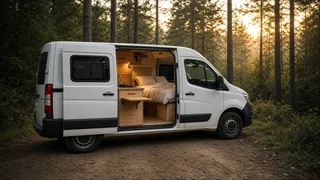
Low cost camper van conversion

A low cost camper van conversion starts with choosing a van whose body configuration, seating layout, cargo access, wheelbase, powertrain options, and market specification already fit how you will travel. Keeping the build inexpensive means working with the vehicle you can actually afford, using modular furnishings, and separating must-have camping functions from cosmetic extras. The most useful approach is to evaluate each candidate against everyday use: interior height for comfortable movement, rear or side door access for loading gear, and a floor length long enough for a fixed or folding bed. That practical filter prevents spending on a base vehicle that fights the conversion rather than supporting it.
The direct answer
The most affordable camper van conversion is generally a simple, removable interior built into a used full-size cargo van already in sound mechanical condition. A low roof can work for seated cooking and a fold-away bed, but a mid- or high-roof body configuration saves the cost and complexity of a pop-top or raised roof later. Prioritize rust, drivetrain health, and accident history over mileage alone, because structural or powertrain repairs can quickly erase the savings from a cheap purchase. The conversion cost stays low when the van’s existing layout does not require major metalwork, window cutting, or seat relocation.
Seating layout and cargo access shape the cheapest workable floor plan. A passenger van with rear climate controls and removable benches may already provide tiedown points and side glass, reducing the need for aftermarket windows and insulation around blank panels. A cargo van offers a flat floor and simpler wall surfaces but may need seat mounting and side window installation, which adds labor unless you accept a darker sleeping area. Rear doors suit long boards, bikes, and tubs, while a sliding side door improves everyday access at campsites; choosing a van with both can prevent costly layout compromises later.