Lost Spare Car Key: How to Replace It and Protect Your Vehicle
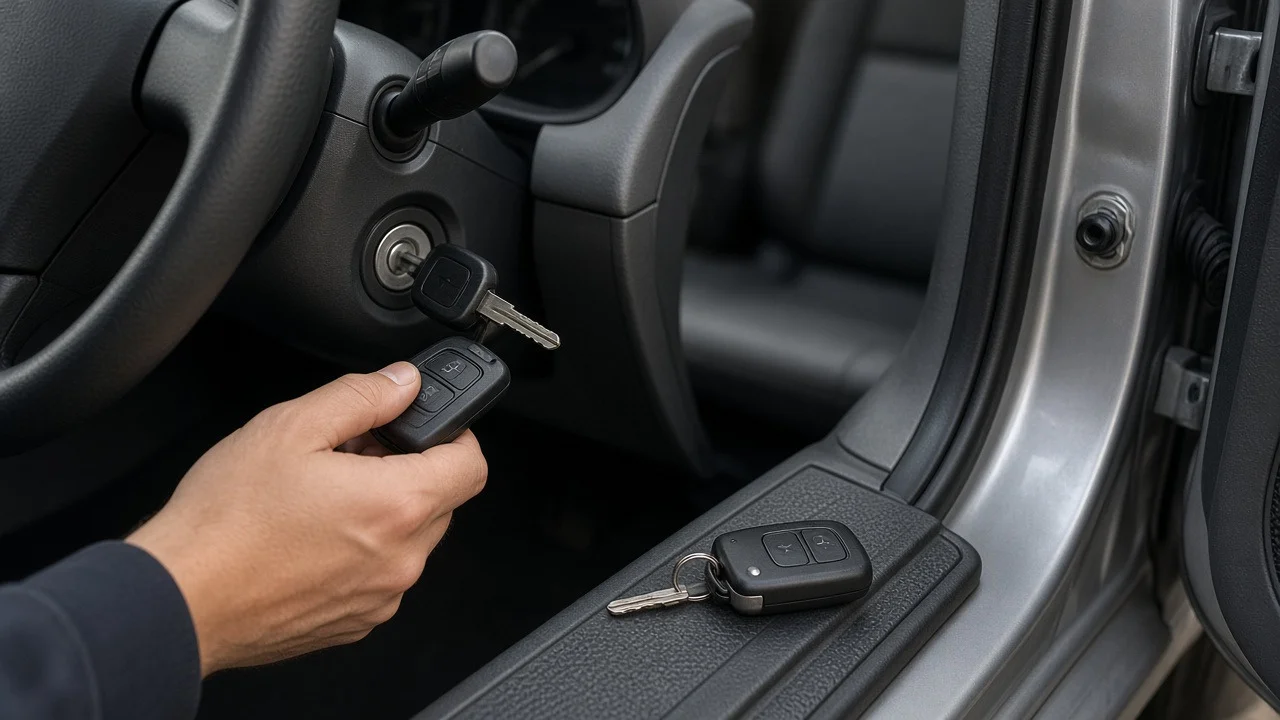
If you have lost the spare key to your car but still have the primary key, you are in a much better position than someone who has lost every key. The car still works, you have time to compare options, and a working key often makes the replacement simpler and cheaper. In most cases, you can get a new spare from a dealership or an automotive locksmith, and for some vehicles you can program it yourself. How easy and costly this is depends mostly on the type of key your vehicle uses. You should also think about security. If someone else could find the lost key, ask for it to be removed from the car's memory when the new key is programmed.
The Short Answer
Confirm the key is actually lost. Check bags, coat pockets, drawers, other vehicles and anywhere you keep backups. Identify your key type: mechanical only, transponder, remote key fob, or smart (proximity) key. Choose a provider: a dealership, an automotive locksmith, or a do-it-yourself route if your vehicle supports it. Bring your working key, photo ID and proof of ownership. Ask for any lost keys to be erased from the vehicle's immobilizer if the lost spare could be misused. Check your insurance policy, key protection plan or roadside assistance membership for coverage before you pay.
Why the Type of Key Matters
Modern car keys often combine several separate technologies in one housing. Knowing which parts your key has tells you what must be replaced and who can do the work.
Mechanical Key
A mechanical key is a cut metal blade with no electronics. It turns the door lock and, on older vehicles, the ignition. Replacing one usually only requires cutting a new blade, either by copying your existing key or by using a key code tied to the vehicle. Many older vehicles use keys like this. Many newer keys and fobs also hide a mechanical blade inside for emergency door access.
Transponder Key and the Immobilizer
A transponder key has a small chip in the head that communicates with the vehicle's immobilizer. The immobilizer is an anti-theft system that prevents the engine from starting unless it recognizes an authorized key. A correctly cut blade without a recognized chip may unlock the door and turn the ignition, but the engine will not run. A replacement transponder key needs both cutting and key programming, which registers the new chip with the car.
Remote Transmitter or Key Fob
The remote transmitter is the part with buttons for locking, unlocking and sometimes opening the trunk or starting the engine remotely. On some vehicles the remote sits in a separate fob from the key. On others it is built into the key head. The remote functions usually need their own programming, which is separate from immobilizer programming even when both share one housing.
Smart Key or Proximity Key
A smart key lets you unlock the doors and start the vehicle with a push button while the key stays in your pocket or bag. These are generally the most involved and expensive keys to replace. They must be matched to the vehicle electronically, and some manufacturers restrict programming to dealer equipment or to locksmiths with specific tools. Coverage varies by brand, model and model year.
Where to Get a Replacement
Option | Typically suited to | Considerations; Dealership | Any key type, especially recent smart keys and brands with restricted programming | Can usually supply the correct key and program it; may require an appointment and tends to cost more; Automotive locksmith | Mechanical, transponder and many remote and smart keys | Often mobile and faster; capability depends on the locksmith's equipment and your vehicle, so confirm they support your make, model and year; Do-it-yourself | Some older or simpler vehicles that allow on-board programming | You buy a compatible key or fob and follow the vehicle's procedure; the blade usually still needs professional cutting, and some vehicles do not allow owner programming
When you call a dealer or locksmith, give them the make, model, model year and vehicle identification number (VIN). The VIN helps them identify the correct key and, in many cases, look up the key code needed to cut the blade. Ask whether the quote covers the key or fob, cutting, and programming for both the immobilizer and the remote functions, since these are sometimes priced separately.
A Note on Do-It-Yourself Programming
Some vehicles have an on-board procedure that adds a new key using a sequence of ignition turns, door actions or button presses. Some of these procedures only work if you already have one or more working keys. On certain vehicles, the procedure requires two existing keys to add another. If you have only one key left, check whether your vehicle can still be programmed this way before you buy anything. Aftermarket or used keys and fobs may not be compatible. Used keys may also be locked to their original vehicle and impossible to reprogram. Confirm compatibility with the seller or a locksmith before buying.
Proof of Ownership
Reputable dealers and locksmiths ask for proof of ownership before they cut or program a key. This protects against vehicle theft. Expect to show a government-issued photo ID along with the vehicle's title or current registration, and the name on the documents should match your ID. If the vehicle is leased, financed, company-owned or registered to someone else, ask the provider ahead of time what they will accept. Exact requirements vary by business and by state.
Erase the Lost Key From the Vehicle
A lost spare is a security issue as well as an inconvenience, especially if it went missing somewhere it could be linked to your car, or if it was stolen. On many vehicles with an immobilizer, the dealer or locksmith can clear all registered keys during programming and then re-register only the keys you still have and the new one. After that, the lost key should no longer start the engine or, in most cases, operate the remote functions.
Erasing the electronic registration does not change the physical locks. If the lost key includes a mechanical blade, it may still open the doors or trunk on some vehicles. If you are worried about this, ask about rekeying the locks. This is a separate job and costs extra, so weigh it against the actual risk. If you lost the key somewhere with no connection to your vehicle or address, erasing it electronically may be enough. If you believe it was taken from your car or home, rekeying deserves more serious consideration.
Check Coverage Before You Pay
Auto insurance: some comprehensive policies or optional add-ons cover key replacement, particularly when keys are stolen. Coverage and deductibles vary, so read your policy or ask your insurer. Key protection or replacement plans: these are sometimes sold with the vehicle or bundled into service contracts. Check your purchase paperwork. Roadside assistance: memberships and manufacturer programs usually focus on lockouts and towing rather than replacing lost keys, but some plans include limited key benefits. Confirm what your plan covers. Factory warranty: new-vehicle warranties generally cover defects, not lost keys, so do not assume a lost spare is covered.
What Affects the Cost
Prices vary widely, and no single figure applies to every vehicle. The main factors are the key type, with a plain mechanical key at the low end and a smart key at the high end. Brand also matters, as does whether programming requires dealer-only equipment. Other factors include whether you choose a dealer or a locksmith, whether a mobile service call is involved, and whether you add services like erasing old keys or rekeying the locks. Having a working key on hand can simplify the job. For the clearest comparison, get itemized quotes from more than one provider.
Avoiding the Problem Next Time
Store the new spare in a consistent, secure place at home rather than in the vehicle. Keep a record of your VIN and, if your dealer or locksmith provides it, the key code, stored separately from the keys. Consider a small tracking tag on your primary key if your key ring can hold one. Replace a missing spare promptly. Being down to one key raises the cost and difficulty if that key is also lost, and on some vehicles it limits your programming options.
Bottom Line
Losing a spare car key is usually a manageable problem as long as you still have a working key. Identify the type of key your vehicle uses, choose a dealer, locksmith or supported DIY method based on that type, and bring ID and proof of ownership. If the lost key could be misused, ask for it to be erased from the immobilizer when the new key is programmed. Check your insurance and roadside assistance coverage before paying, and do not wait too long, because replacing a spare is generally easier than recovering from losing your last key.