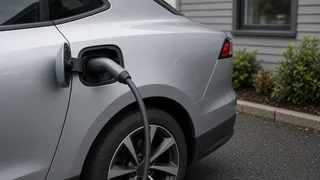
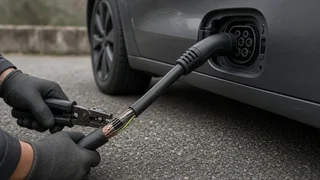
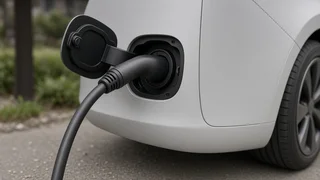
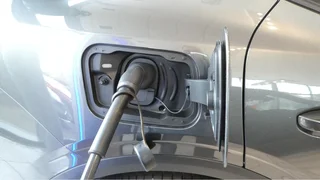
Level 2 (240V) EV Charging Cable
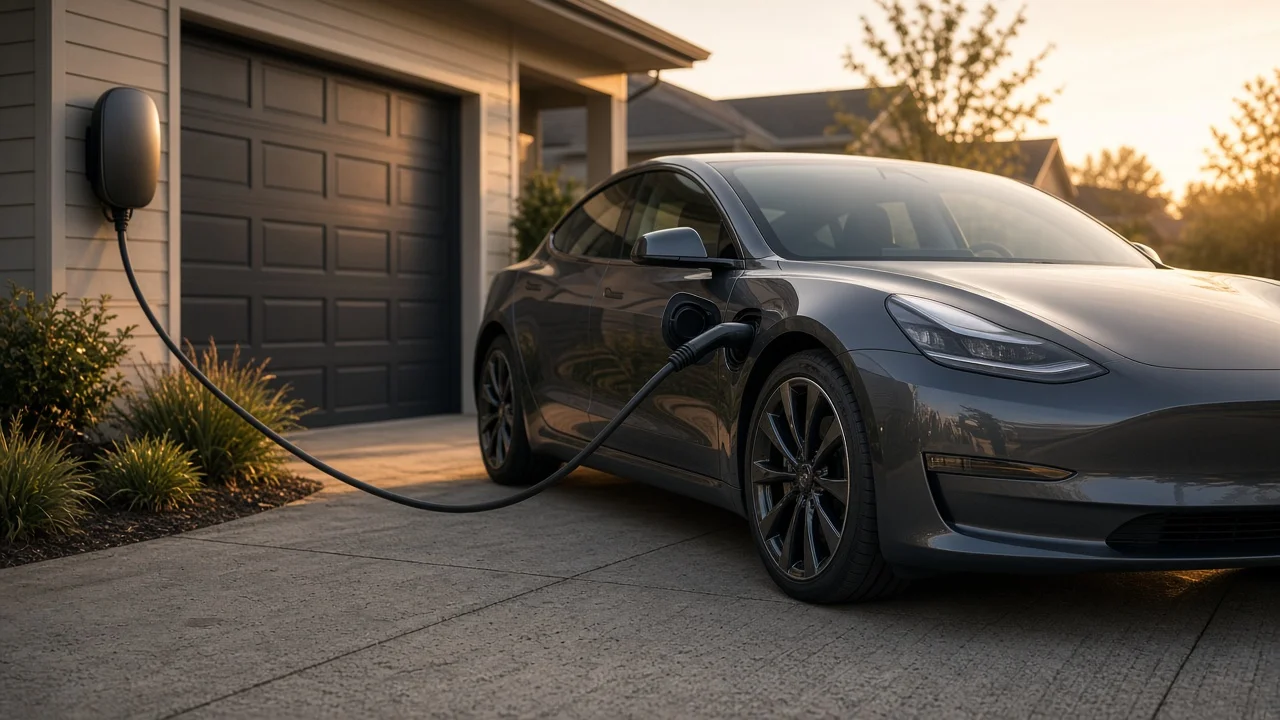
Choosing a Level 2 (240V) EV charging cable is really about matching the connector standard and charging power to your vehicle compatibility and the supply capacity of the circuit you plan to use. An EV charging cable level 2 operates on a 240 volt circuit, supporting a faster charging protocol than a standard household outlet by delivering more energy in the same period. Before purchasing, consider your daily energy consumption, the available outlet type, and the amperage your vehicle’s onboard charger can accept so the cable does not become the limiting factor in your routine.
The direct answer
The appropriate Level 2 EV charging cable is the one that physically installs into your vehicle’s inlet and the power source while safely carrying the amperage the circuit supplies. A 240v EV charging cable does not force the vehicle to charge faster than its onboard charger allows; it merely provides the alternating current the vehicle converts. The cable and its connectors must therefore support the station’s maximum output, but the actual session rate is negotiated between the station and the vehicle through the charging protocol.
Vehicle compatibility matters because North American vehicles typically use the SAE J1772 connector for AC charging, while some also require an adapter for Tesla-style ports. A level 2 ev charging cable with a J1772 plug will serve many EVs, but a 240 volt EV charging cable should be inspected for its temperature rating and gauge because thinner wiring can overheat under continuous load. Confirm that the circuit’s breaker and cable amperage rating align before extended charging.