Learning car controls

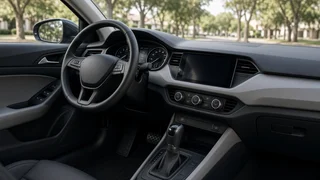
Learning car controls means building a reliable connection between what you see, feel, and hear in the cabin and the small physical inputs that direct a vehicle. New drivers often focus on the steering wheel, but smooth driving depends on coordinating the accelerator, brake pedal, and transmission selector without looking down. The goal is to make pedal travel, throttle command, and hand positions feel predictable. That familiarity reduces hesitation in traffic and helps you react calmly when road conditions change. Understanding the primary controls also makes the instrument panel and parking brake easier to interpret and use during normal American driving routines.
Essential answer
The essential answer is that learning car controls starts with recognizing three connected zones: your feet for acceleration and braking, your hands for steering and secondary switches, and your eyes for the instrument panel and mirrors. Each zone works through small, deliberate inputs rather than abrupt motions. Pressing the brake pedal progressively gives you direct feedback about how much stopping force is available, while easing into the throttle command helps the vehicle settle before cornering. Developing this awareness turns unfamiliar levers and knobs into an operating mode you can adjust without conscious effort.
A second fundamental part is learning how controls interact. The parking brake is not just a parked-position lock; in some conditions it also provides a secondary way to hold the vehicle steady. Pedal travel differs by vehicle, so a driver should learn the response of each specific brake and accelerator rather than assuming a uniform amount of foot pressure. Watching the instrument panel links physical actions to visible indicators such as speed, gear selection, and warning lights. This feedback loop builds a dependable mental map of what each control is doing at any moment.