Learn expressway driving from drivers-ed chapter 11
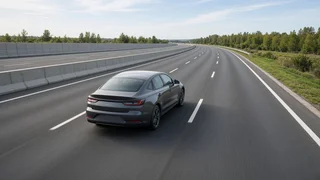
Learning to drive on expressways changes the way a new driver reads traffic. The skills covered in a typical drivers ed chapter 11 move beyond surface streets and focus on high-speed entry, lane position, following distance, and predictive scanning. Because decisions happen faster, understanding right of way, road markings, and visibility becomes essential before merging. This material helps a student connect classroom rules with the real demands of controlled-access highways. The goal is not just passing a written test, but building the attention habits that make expressway driving predictable and safe.
Essential answer
The essential answer is that driving on expressways requires a different planning routine than driving on ordinary roads. A driver must prepare for higher speeds, limited stopping areas, and faster traffic flow. Key points include entering a highway through an acceleration lane, matching the speed of traffic, yielding to vehicles already on the roadway, and choosing a lane that supports the intended exit. Road markings and signs give advance notice of merges, lane reductions, and exits, so scanning farther ahead becomes part of normal control.
Because expressway traffic moves with fewer interruptions, driver attention focuses less on intersections and more on spacing and lane changes. Visibility matters at longer distances, especially when approaching ramps or slow-moving vehicles. Following distance should increase as speed rises, while road conditions such as rain, fog, or heavy traffic reduce available reaction time. A student reading a drivers ed chapter on expressway driving learns that smooth speed adjustments, early signaling, and consistent lane position prevent the sudden maneuvers that create high-speed conflicts.