Learn car driving operational controls
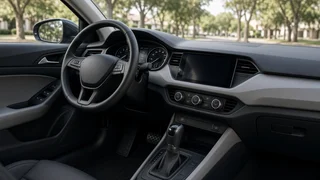
Learning car driving operational controls means turning a collection of pedals, levers, switches and displays into smooth, repeatable muscle memory. New drivers often search for “operational controls car” and the correct “use of controls driving” because the cabin can seem overwhelming at first. The goal is not memorizing every symbol immediately, but understanding how each input connects to vehicle behavior. With patient practice, pedal travel, throttle command, brake pedal feel, the parking brake and the instrument panel become one coordinated conversation between driver and machine.
Essential answer
The essential answer is that operational controls are the primary interfaces a driver uses to manage speed, direction, stopping and visibility. The accelerator pedal sends a throttle command that adjusts engine output, while the brake pedal converts foot pressure into hydraulic stopping force. Pedal travel describes how far each pedal moves from rest to full application, and learning that range is critical for smooth starts and controlled stops. Other inputs such as the shifter, steering wheel, turn signals and wiper stalk complete the basic control set needed for normal road use.
Beyond the obvious pedals, the parking brake holds the vehicle stationary when parked or acts as a backup stopping device in some situations. The instrument panel reports vehicle status through gauges, indicator lamps and warning lights, helping the driver confirm the selected operating mode. Together these controls follow consistent principles across modern vehicles, though lever placement, button location and display layout vary by manufacturer. Beginners should first learn the relationships among controls, then refine timing and pressure to drive predictably and safely.