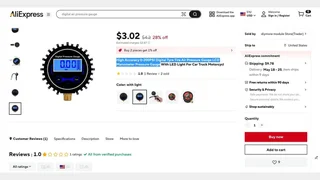
Laser Tire Pressure Gauge
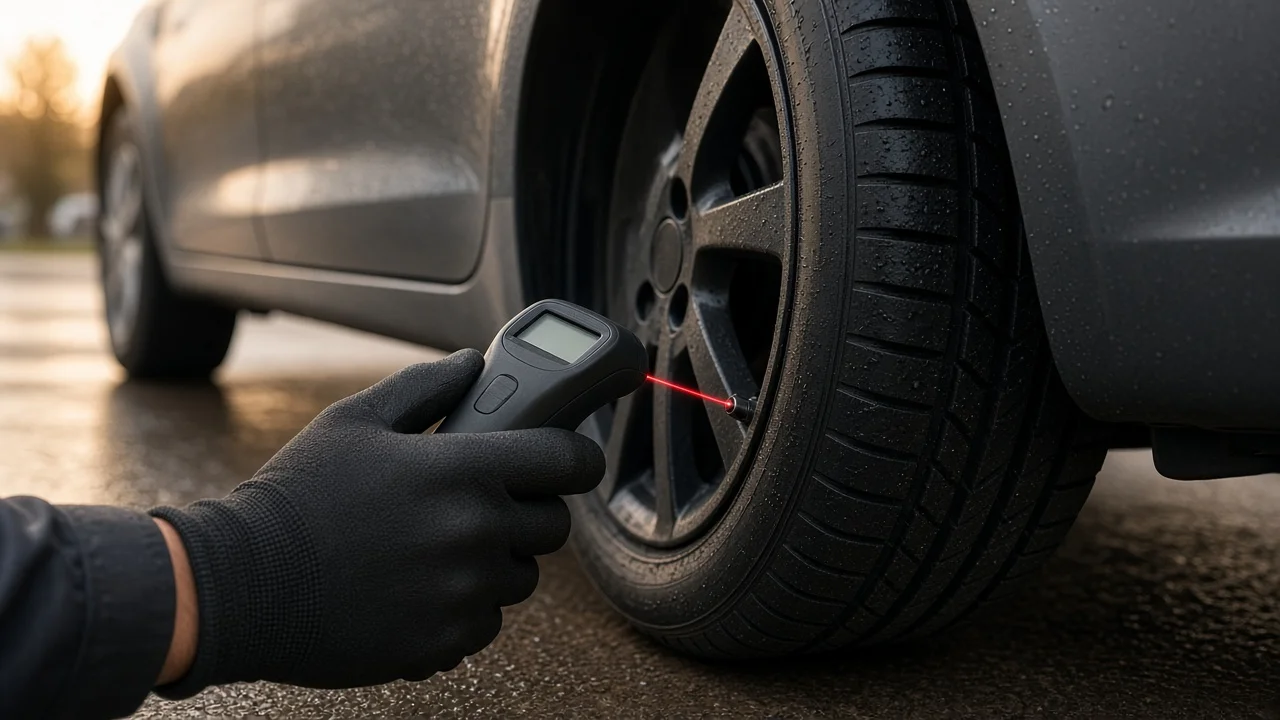
A laser tire pressure gauge sounds like a contactless breakthrough, but the category usually describes a different measurement method. Shoppers often expect a beam aimed at the tire, yet most devices marketed with this name still use a flexible hose, a chuck, and an internal sensor to take a direct reading. Clarifying that distinction helps you judge accuracy, calibration, and whether the tool really fits your roadside or garage routine. Before comparing features such as measurement range or display units, it is worth separating the optical-sighting convenience from the actual pressure-sensing connection.
Essential answer
In common automotive use, a laser tire pressure gauge is typically a digital or dial gauge with a short valve connection, not a remote infrared instrument that measures inflation from a distance. The laser feature generally refers to a sighting aid, a projected reference line, or brand styling rather than the pressure-reading mechanism itself. The gauge must still seal onto the Schrader valve so a piezo or strain-gauge sensor can read the air pressure directly. That direct connection is what makes a usable number possible, because tire pressure cannot be reliably inferred by a distant beam.
The practical benefit of the laser naming is therefore limited. It does not eliminate the need to crouch, remove the valve cap, and press the chuck squarely onto the stem. What may improve is aiming or alignment in poor light, or simply the ease of locating the valve. When comparing units, pay more attention to calibration, accuracy, the supported units such as psi or bar, and whether the maximum measurement range covers the vehicle specification. Those factors affect the reading far more than any optical label or projected guide.