Large Bore Tire Pressure Gauge
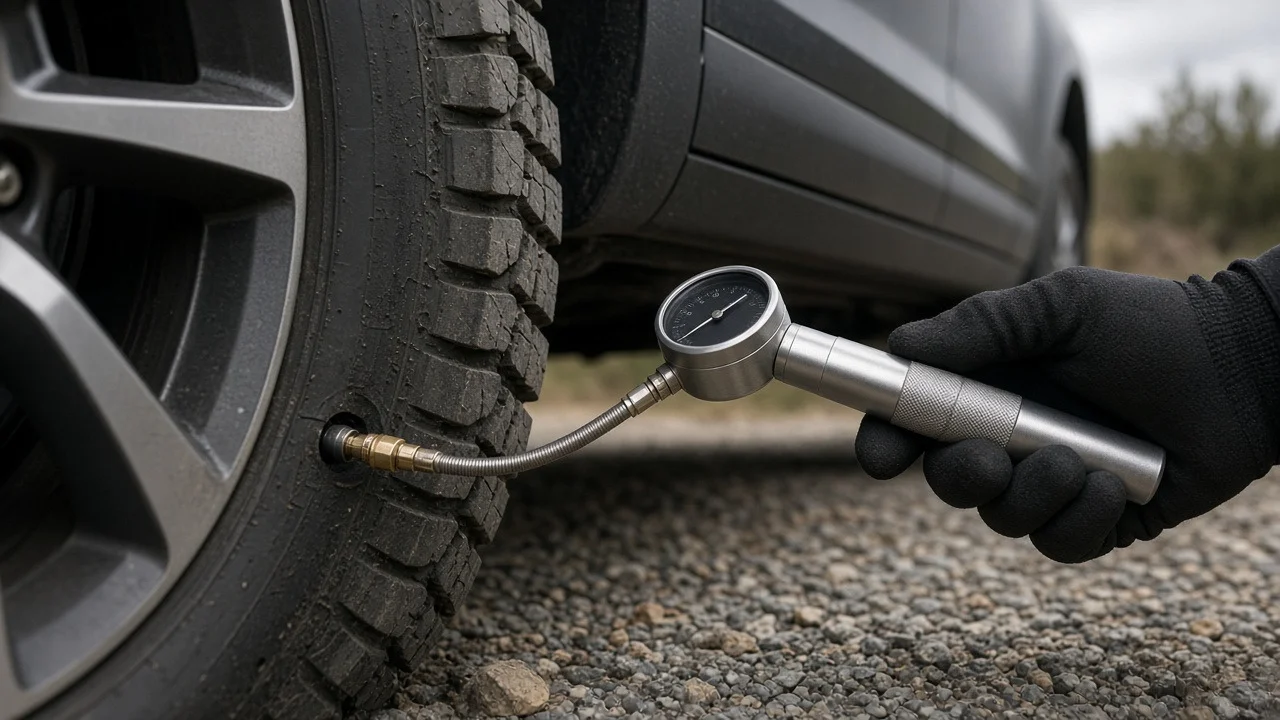
A large bore tire pressure gauge is designed for fast, reliable inflation checks on vehicles with demanding tire setups. Unlike slim pencil gauges, the broader air passage reduces restriction at the valve, helping you read pressure promptly while air is still flowing. Choosing one means comparing measurement range, accuracy, calibration, connection fit, and unit preferences against your vehicle specification. The right tool turns a quick garage check into a repeatable routine, especially when oversized tires or higher pressures make ordinary instruments slow, awkward, or less consistent.
The direct answer
A large bore tire pressure gauge is the appropriate choice when you need quicker, more stable readings, particularly for larger tires or pressures near the upper portion of a typical passenger or light-truck range. The wider internal passage allows air to move with less backpressure, so the gauge can register pressure without requiring a perfect, slow connection. For daily car use, a standard gauge often works, but the large bore design becomes valuable when inflation volume is greater or when a rubber valve stem is difficult to access.
The main condition that changes the answer is your required measurement range and accuracy. Check the gauge’s printed range against the pressure listed on the vehicle’s tire information label, not the maximum number molded on the tire sidewall. Select a unit display for psi or bar that matches your habits. A well-built large bore gauge should seat cleanly on the valve, hold its reading or update smoothly, and return to zero reliably after release, supporting repeatable checks across all four tires.