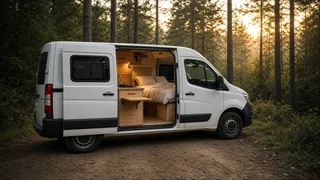
Land rover discovery camper van conversion
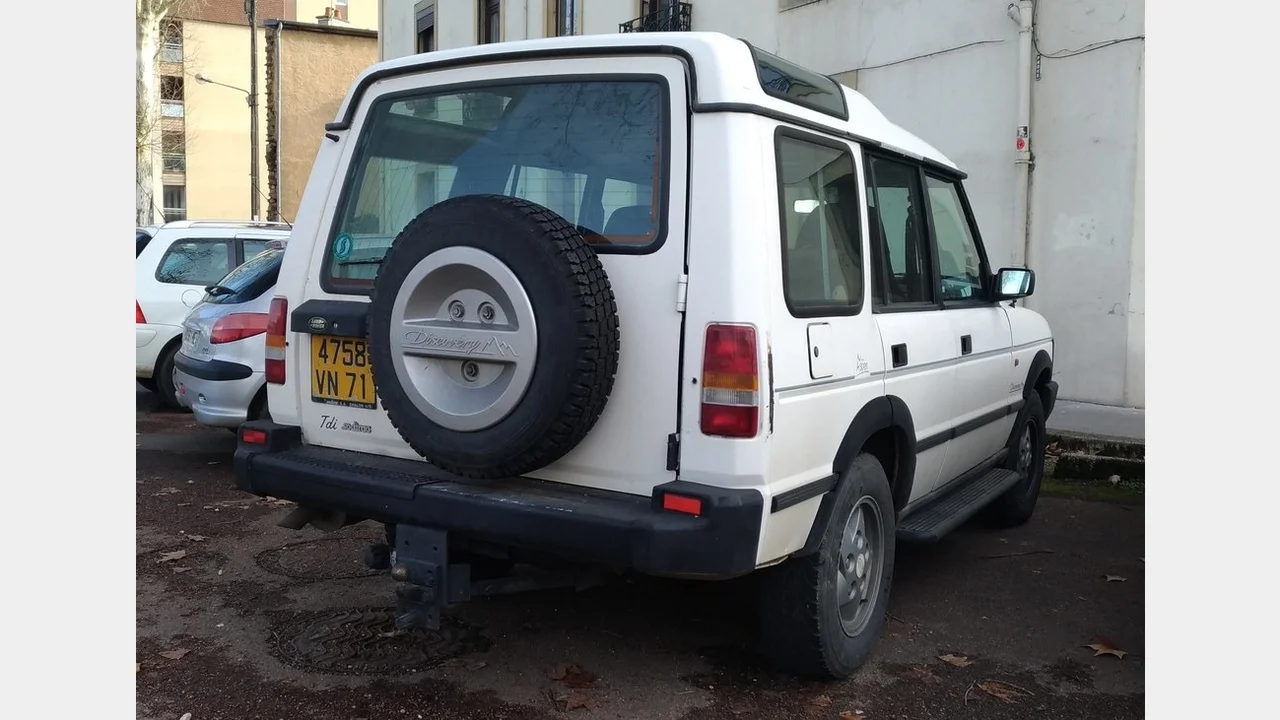
A Land Rover Discovery camper conversion turns a boxy, capable SUV into a compact living space for travel, overlanding, and dispersed camping. This approach interests owners because the Discovery already offers four-wheel drive, a tall roof, and a generous cargo area relative to many competitors. A conversion can mean a simple removable sleeping platform and storage drawers, or a more involved build with insulation, electric power, water, and cooking equipment. The result is not a full motorhome, but a more maneuverable and off-pavement-friendly alternative that suits one or two travelers seeking shelter without towing a trailer.
Essential answer
A Land Rover Discovery camper van conversion describes modifying the vehicle so its interior can support sleeping, gear organization, and basic living functions during trips. The exact setup depends on the model generation and trim level, because later Discovery generations introduced different body styles, suspension systems, and cargo dimensions. In most cases owners remove or fold the rear seats and install a low platform that creates a flat sleeping surface while preserving under-deck storage for recovery equipment, tools, and food. The vehicle remains a daily driver when the modules are designed to be removable or restrained for on-road safety.
The scope is shaped by powertrain configuration and market specification as much as by personal travel style. A Discovery with coil springs, self-leveling rear suspension, or a modified lift may affect cargo floor height and available headroom for sitting up inside. Builders also weigh how a fixed galley, auxiliary battery, or rooftop tent changes payload and handling. A conversion is best understood as a user-defined camping system inside the Discovery that prioritizes off-road mobility and compactness over the space, standing height, and plumbing of a dedicated camper van.