Know the cost of not paying a Texas parking ticket
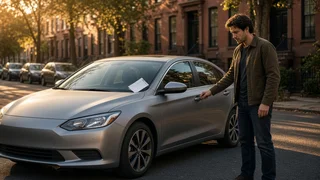
Choosing not to pay a parking ticket in Texas can feel like a small act of delay, but it changes your standing with the local courts quickly. A citation is not just a slip of paper; it is a legal notice tied to your vehicle and registration record. Parking enforcement relies on posted signs and local rules that define restrictions, available clearance, and maneuvering space. When a driver ignores that notice, the practical consequences grow beyond the original fine. Understanding those downstream costs helps you weigh the risk before you decide to wait or challenge the ticket.
The direct answer
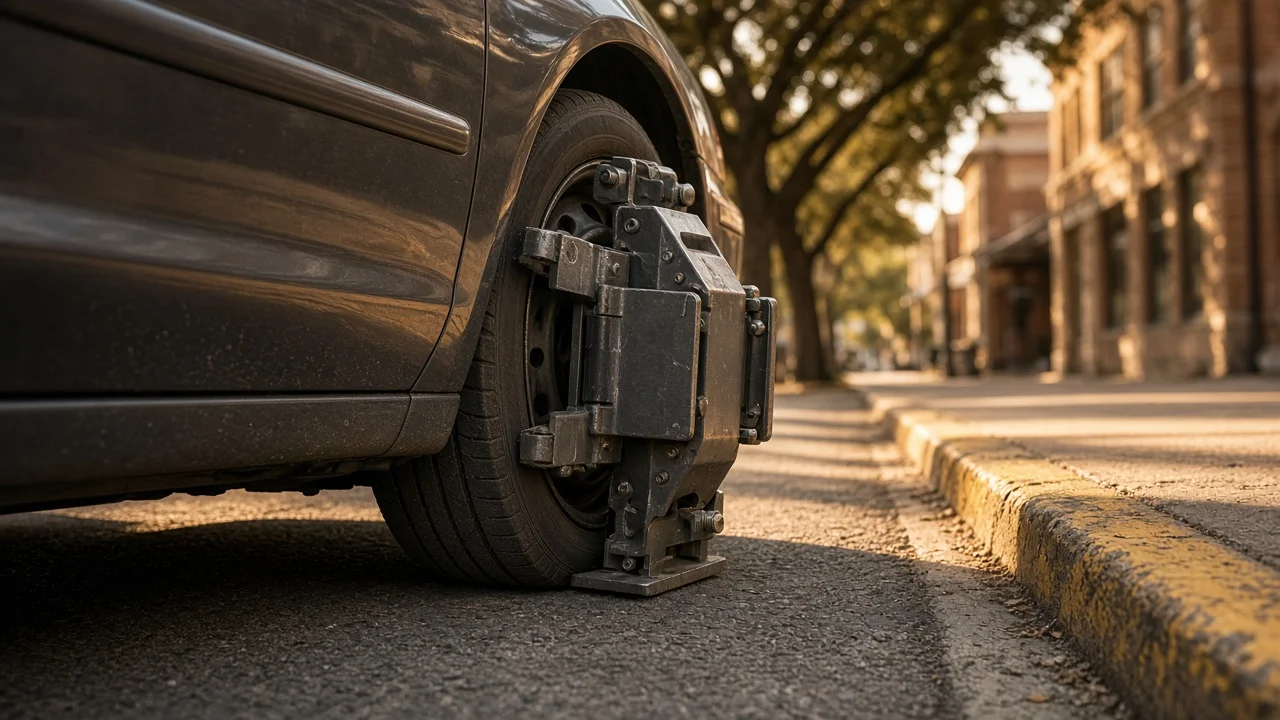
The immediate answer is that failing to pay a Texas parking ticket usually increases the amount you owe. A court may add late fees, and the unpaid citation can be referred to a collection process. The vehicle associated with the ticket may also face registration holds, meaning you cannot renew your tags until the balance is cleared. These consequences depend on the issuing city or county, because local rules govern how violations are processed.
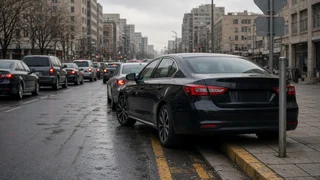
Before deciding that a ticket is invalid, check the posted signs and curbside markings where you stopped. A parking restriction may be tied to street sweeping, delivery zones, or limited-hour spaces. Vehicle dimensions and available clearance matter when a larger truck or SUV overhangs a painted boundary. If you believe the signage was obscured or the maneuvering space made compliance impossible, that condition materially changes how you should respond to the citation instead of simply ignoring it.