Keys Locked in the Back of a Ford Transit: What to Do
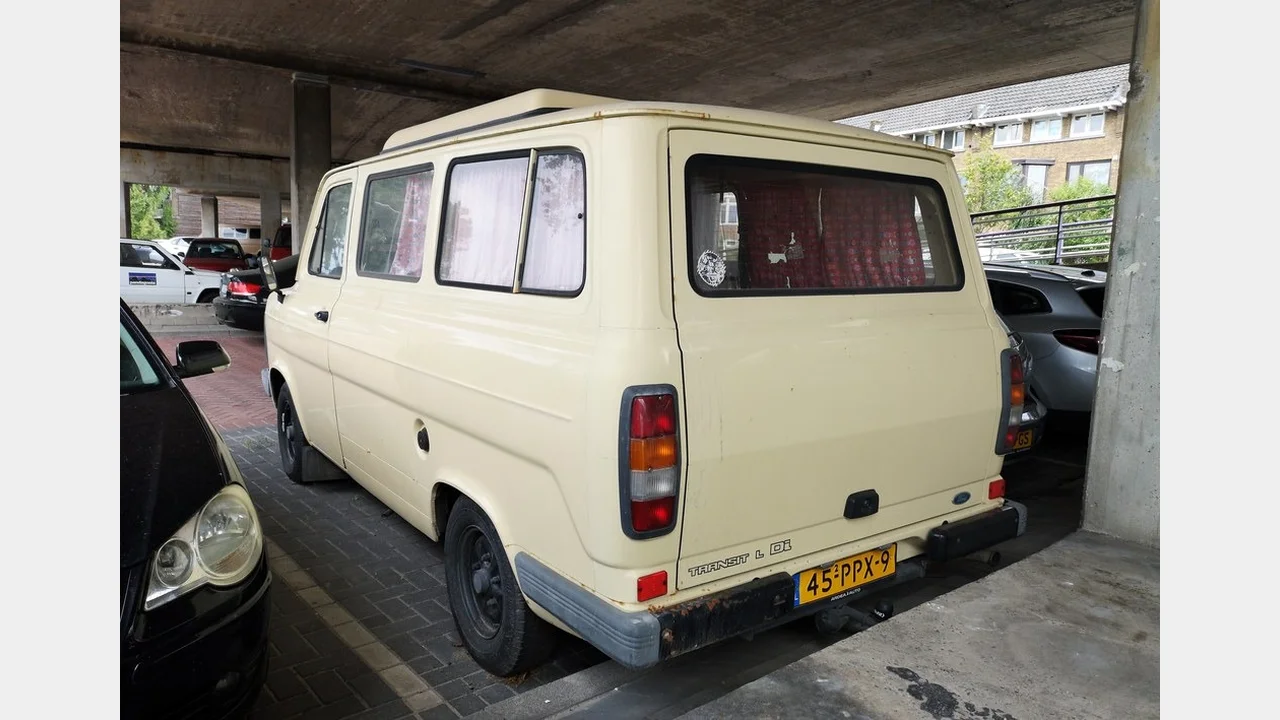
Leaving your keys in the cargo area of a Ford Transit is a common problem. Vans are loaded and unloaded constantly, and keys end up on a shelf, in a parts bin or on top of a box. Once the doors are shut and locked, the vehicle has to be opened from outside. This guide covers the realistic options, which ones depend on your van's equipment, and how to make a repeat less likely.
The Short Answer
If your keys are locked in the back of your Transit, the fastest non-damaging routes are usually these: use a spare key or second remote transmitter, unlock the van through a connected-vehicle app if your van is equipped and enrolled, or call roadside assistance or a qualified automotive locksmith. Avoid forcing doors, prying at seals or breaking glass unless there is an emergency. Damage to a Transit's door mechanisms, wiring or glass usually costs more than a professional lockout service.
Which option works for you depends on several things. These include the model year and generation, whether your van is the full-size Transit or the smaller Transit Connect, whether it has connected-vehicle hardware, how the locks have been configured, and whether a partition separates the cab from the cargo area.
If It Is an Emergency, Call 911 First
If a child, a vulnerable adult or an animal is inside the locked van, call emergency services immediately rather than waiting for a locksmith. The same applies if the engine is running in an enclosed space or the situation is otherwise unsafe. A closed van can heat up quickly, and responders can act faster than any other option here.
Check the Easy Ways In First
Before calling anyone, walk around the van and rule out the simple options:
Try every door, including both rear doors, the sliding side door and the passenger door. Some vans are set up so the cargo doors lock separately from the cab, so one door may still be open. If the cab is unlocked but the keys are in the back, check whether you can reach the cargo area from inside. Passenger versions and cargo vans without a bulkhead usually have an open path. Vans with a solid partition may not. See if anyone nearby has a spare key or second remote. A coworker, family member or fleet manager may be able to bring one. If your keys might be lying near a door inside, a spare remote transmitter used close to the van will unlock it in the normal way.
Remote Unlock Through a Connected App
Many newer Ford vehicles come with an embedded modem that supports remote lock and unlock through Ford's owner app. Fleet-registered vans may use Ford's commercial telematics platform instead. If your Transit has this hardware, the modem is activated, the van is linked to your account and it has cellular coverage, you may be able to unlock it from your phone in moments.
This feature varies a lot. It depends on model year, equipment and subscription or activation status, and older Transits generally do not have it. For a fleet vehicle, the fleet administrator may be the person who can send the unlock command. If you have never set up the app, setting it up for the first time beside a locked van may not be possible, because the vehicle often has to confirm the link.
Roadside Assistance
Roadside assistance programs commonly include lockout service. Several kinds of coverage can apply to a Transit:
Ford's own roadside assistance, which comes with new-vehicle coverage for a set period and may be extended through certain service plans. An auto club membership, which covers the member and not a particular vehicle, so it can apply even in a work van. Roadside coverage included with a commercial or personal auto insurance policy. Roadside benefits that come with some credit cards or phone plans. Fleet service agreements, which often name a specific provider to call.
Coverage terms, eligibility and limits vary by program and by when your van was bought. Check your own documents or call the provider to find out what is included before relying on it.
Calling an Automotive Locksmith
An automotive locksmith can usually open a locked Transit without damage using professional entry tools. When you call, give the year and model, explain that the keys are in the cargo area, and mention any partition or upfit, such as shelving, ladder racks or aftermarket locks. Ask for a price estimate up front, and confirm the technician will open the van without drilling or breaking anything.
Expect to be asked for proof of ownership or authorization before the locksmith opens the vehicle. This is standard practice to prevent theft. Useful documents include a driver's license that matches the registration, the registration itself, or a letter or call from the business that owns the van. If the paperwork is locked inside the van, tell the locksmith. They can often check it after opening the van but before you drive away.
Getting a Replacement Key Instead
Sometimes a replacement key makes more sense than opening the van. This applies if the original keys are lost, damaged, or you simply want a spare. Some Ford dealers and many automotive locksmiths can cut a key using the vehicle identification number (VIN) once you prove ownership.
For a Transit, cutting the blade is only half the job. Ford vehicles use an engine immobilizer, which Ford calls the Passive Anti-Theft System. A transponder chip in the key must be recognized by the vehicle before the engine will run. A freshly cut mechanical key may open the doors, but it will not start the engine until key programming has been done. On some Ford vehicles, owners who already have two working programmed keys can add a third themselves. With fewer keys, programming generally needs dealer or locksmith equipment. The exact procedure depends on model year and key type.
Comparing Your Options
Option | When it works | Main requirement | Main limitation; Spare key or remote transmitter | Someone can bring it to you | Access to a second programmed key | Depends on where the spare is kept; Connected-app unlock | Newer, equipped and activated vans | App or fleet account already linked to the vehicle | Not available on all model years; needs cellular signal; Roadside assistance | Coverage is active through Ford, an auto club, insurance or a fleet plan | Proof of coverage and identification | Wait times vary; service terms differ by program; Automotive locksmith | Most situations | Proof of ownership or authorization | Paid service; prices vary by area and time; Replacement key | Original keys are lost or you want a spare | VIN, proof of ownership, key programming | Takes longer and costs more than a lockout service
What Not to Do
Avoid improvised entry tools, coat hangers and wedges. Modern van doors contain wiring, airbag-related components in some locations, window regulators and weather seals that are easy to damage. Breaking a window to get in can lead to expensive glass replacement and leave cargo exposed. On upfitted vans it may also damage equipment mounted near the glass. Unless there is an emergency, waiting for a professional is usually the cheaper choice.
Why This Happens So Often With Vans
A cargo van is used differently from a passenger car. The driver goes in and out of the back many times a day, often with their hands full. Keys get set down so the driver can lift something, and then the doors are closed out of habit. Fleet vans may be configured to lock automatically or to lock the cargo area separately, which adds to the risk. Many vans also have a key fob that unlocks remotely and a mechanical key blade for the doors. In practice, though, only one key set usually stays with the vehicle, so nothing is available to fall back on.
How to Prevent Another Lockout
Keep a spare key somewhere reachable, such as with a coworker, in the office or with someone at home, but never hidden on the vehicle itself. Use a lanyard, belt clip or retractable key holder so the keys stay on you while you load. Make a habit of putting keys in a pocket before you open the cargo doors, not after. If your van supports connected-vehicle features, activate and test remote unlock before you need it. Review the lock settings with your dealer or fleet manager. Some vans can be configured to change how the cab and cargo doors unlock and when they lock automatically. Replace the remote transmitter battery when range starts dropping, so a spare fob works reliably when you need it. Keep a copy of your registration and roadside assistance details outside the vehicle, for example on your phone, so you can prove ownership and coverage during a lockout.
Bottom Line
Keys locked in the back of a Ford Transit are usually an inconvenience rather than a serious problem. Check every door and the path from the cab first. Then try a spare key or a connected-app unlock if your van has one. If neither is possible, call roadside assistance or an automotive locksmith and have proof of ownership ready. Afterward, set up a spare key and a simple keys-in-pocket routine, which prevent most repeat lockouts.