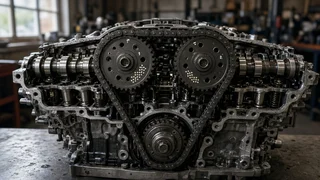
K3 engine timing chain marks

The K3 engine timing chain marking question usually comes up when an owner is preparing for repair, checking work after reassembly, or trying to understand whether a running concern could be valvetrain-related. Timing marks align the chain, sprockets, and rotating assembly so the camshaft and crankshaft stay in the correct relationship. On any interference-style valvetrain, an incorrect setup can create rough operation, poor performance, or serious internal contact. Because the K3 designation is used across different manufacturer lines, the relevant marking method depends on the exact engine configuration, its service documentation, and the specific symptom conditions that led to inspection.
Essential answer
K3 engine timing chain marks are reference features used to orient the timing chain and sprockets during assembly or diagnosis. Their position is not universal; the marks must match the engine family and sometimes the model year or production revision. Without confirmed manufacturer specifications for a particular K3 variant, the safest direct answer is that the marks identify a known rotational relationship, but the correct alignment points should be taken from the specific service literature rather than a generic image or forum description.
A timing mark may be a stamped dot, a colored chain link, a notch, or a keyway feature. When the engine is at a defined service position, the marked chain links align with corresponding marks on the crankshaft and camshaft sprockets. If the chain has stretched, if a guide or tensioner is worn, or if the engine was previously assembled with one sprocket rotated, the visible marks can appear correct while the actual valve timing remains off. That is why inspection should compare the chain position with the sprocket reference features and not rely on a single paint mark that may have faded or been reapplied.