Jeep Wrangler Serpentine Belt Replacement and Inspection Guide
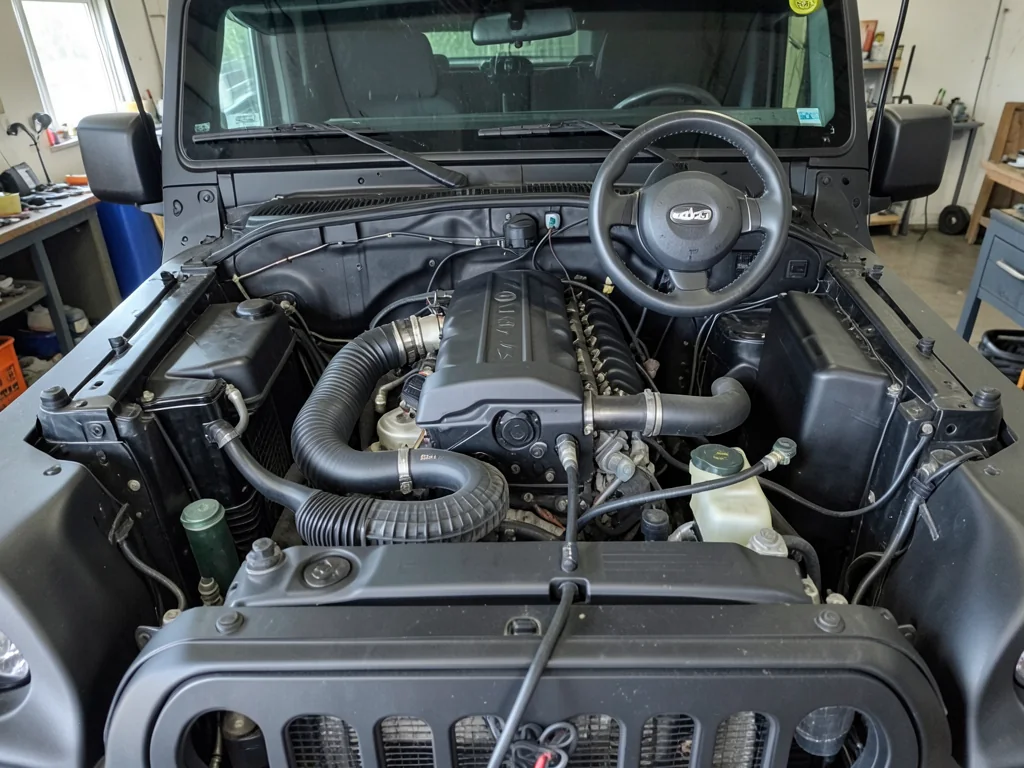
A Jeep Wrangler serpentine belt is the accessory drive belt that turns engine-driven components from one continuous loop. Owners searching for a Jeep serpentine belt, or a serpentine belt Jeep Wrangler listing, still need year, engine identification, and accessory layout before ordering parts. Inspection and Jeep Wrangler serpentine belt replacement both depend on that match, because routing, tensioner location, and pulley count change across Wrangler generations.
Identify the Belt for Your Wrangler’s Year and Engine
The Jeep Wrangler serpentine belt must be selected for the exact model year, engine family, and accessory package, not for the Wrangler nameplate alone. Engine identification matters because displacement, accessory layout, and pulley count change belt length, rib count, and the belt routing diagram. Air conditioning, power steering pumps, and other options can add pulleys or change wrap. A serpentine belt Jeep search that ignores those details can return a belt that looks similar yet will not track correctly on that engine.
Broader jeep serpentine belt results still need Wrangler-specific confirmation. Cherokee, Grand Cherokee, and other Jeep applications can share marketing language while using different accessory drive belts. Use the vehicle identification information and verified parts catalogs or factory service data rather than assuming one belt fits every Wrangler. The accessory drive belt's job is to transmit crankshaft rotation to the driven accessories on that engine; which accessories sit on the loop varies, so the replacement must match the documented configuration rather than a generic Jeep listing.
Recognize Symptoms That Need Belt-System Inspection
Squealing on cold start, a high-pitched chirp that changes with engine speed, visible fraying at the belt edge, or a charge-system or coolant-temperature warning are all reasons to inspect the Jeep Wrangler serpentine belt and the rest of the accessory drive. Those signs point to the belt system, not to a single failed part. Noise can come from belt rib wear, a weak belt tensioner, a failing idler pulley bearing, or an accessory that is dragging. Treating the sound as proof that the belt is worn can send the wrong part to the counter.
A dashboard warning light is evidence to interpret, not proof that the Jeep Wrangler serpentine belt has failed. The light may reflect a charging, cooling, or other accessory issue that happens to share the same drive. If the engine overheats, steering assistance drops suddenly, or a belt is clearly broken, stop in a safe place, shut the engine off, and arrange roadside assistance rather than continuing to drive. Those conditions can leave the vehicle without cooling or power assist; they are not a cue to reach into a hot engine bay.
Inspect Visible Belt Wear With the Engine Off
Owner inspection of a Jeep Wrangler serpentine belt belongs only on an engine that is off and cool, with the key removed and hands kept clear of fans, pulleys, and other moving hardware. Look along the accessible span for edge fraying, chunks missing from the ribs, glazed or shiny rib faces, and uneven wear that suggests pulley alignment trouble. Belt contamination from oil, coolant, or power-steering fluid can soften rubber and cause slip even when the belt still looks mostly intact. Wipe nothing with solvents as a substitute for finding the leak.
Cracking across the rib valleys used to be a common wear cue, but many modern accessory drive belts show little surface cracking even as rib material wears down and tension drops. Limited access on some Wrangler engine bays also hides the back of the belt, the idler pulley, and much of the belt tensioner. If you see fluid, uneven rib wear, or a belt that has walked toward one pulley flange, investigate that cause before you replace the serpentine belt on a Jeep Wrangler. A new belt on a leaking or misaligned drive will pick up the same damage.
Prepare for Wrangler Serpentine Belt Replacement
Jeep Wrangler serpentine belt replacement starts with confirmed fitment and the correct belt routing diagram for the identified engine and accessory layout. Print or display that diagram before the old belt comes off; memory of the path is a poor substitute once the loop is slack. An existing belt's printed number and the way it currently wraps the pulleys can support identification, but they should not be the only reference. A previous incorrect install, a stretched belt, or a missing idler can make the old path look complete while still being wrong for that configuration.
The service itself is more than swapping rubber. A complete job to replace a serpentine belt on a Jeep Wrangler includes removing and installing the belt, assessing the belt tensioner, inspecting each idler pulley and accessory pulley for roughness or wobble, and verifying the new belt sits fully in every groove. Spring-loaded tensioners, tight engine-bay access, and any doubt about routing are reasons to have a qualified technician do the work. Those conditions raise the chance of a pinched belt, a released tensioner that is hard to control, or a misrouted loop that jumps a pulley after startup.
Address Tensioner and Pulley Problems During Replacement
Fitting a new Jeep Wrangler serpentine belt will not quiet a chirp or stop abnormal rib wear if the belt tensioner, an idler pulley, or a driven accessory is the real problem. A weak tensioner lets the belt slip under load. A seized or noisy pulley bearing can glaze the belt or throw it off. An accessory that is binding adds drag the belt cannot overcome for long. Those faults often show up as the same squeal owners blamed on the old belt, so the drive must be evaluated as a system when the belt comes off.
A technician should check pulley alignment, spin each pulley by hand for roughness or play, confirm the tensioner arm moves smoothly and returns with consistent force, and note any accessory that turns with unusual resistance. Tensioner and pulley replacement should follow those findings and the service information for that Wrangler, not a habit of changing every part with every belt. Belt dressing and running-engine tests that involve spraying, probing, or holding a tool against a spinning drive are not diagnostic or repair steps. They can hide slip briefly and create a serious entanglement hazard.
Verify the Repair and Plan Future Inspections
After Jeep Wrangler serpentine belt replacement, the person who did the work should confirm the belt is seated in every pulley groove, matches the routing diagram, and runs without immediate slap, wander, or noise once the engine is started from a safe distance. Owners should not reach into a running engine bay to feel the belt or watch pulleys up close. If squeal returns, a warning light comes back, or the new belt shows edge damage after a short drive, report those findings and have the accessory drive rechecked rather than assuming the rubber was defective.
Record the installed belt identification, the service date, and any belt tensioner, idler pulley, or other drive parts replaced at the same time. That record helps the next inspection compare wear to what was actually fitted, instead of relying on a faded number on the ribs. Future checks should follow the Wrangler's applicable maintenance schedule and what the last inspection found, not a single universal replacement interval. Dust, short trips, oil leaks, and off-road debris can change how quickly a Jeep serpentine belt wears on a Wrangler, so condition and documented service history should set the next look.