Jeep Trailer Brake Controller
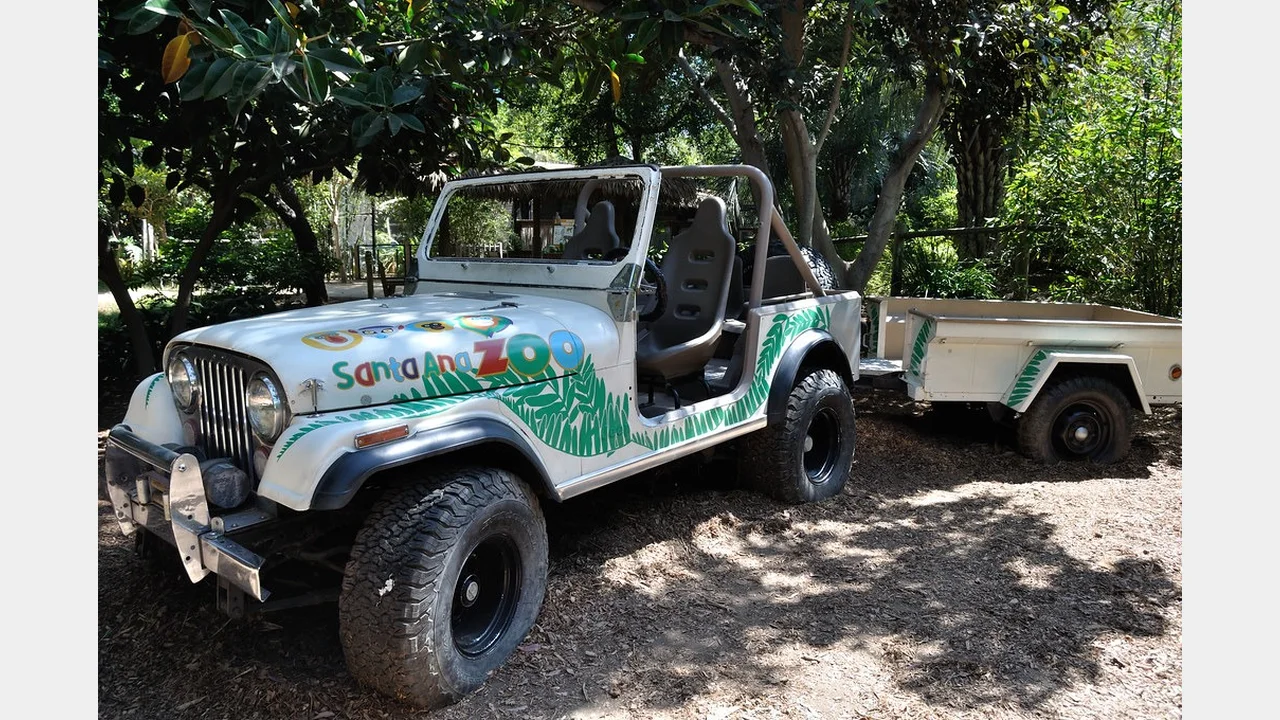
Choosing the right trailer brake controller for a Jeep means matching the vehicle's factory wiring provisions to the trailer's electric braking system, especially for the JK and JL generations that differ in plug locations and required adapters. The goal is not just stopping power but predictable pedal feel, clean installation, and compatibility with your existing wiring. A controller interprets braking demand and sends a proportional voltage signal to electromagnetic trailer brakes. Understanding what your Jeep already offers can prevent buying an incompatible module and reduce time spent chasing connections under the dash.
The direct answer
A Jeep trailer brake controller is an aftermarket or factory-integrated electronic module that applies the trailer's electric brakes in proportion to how firmly the driver presses the tow vehicle's brake pedal. Most flat-towing setups rely on the Jeep's own brake pads, rotors, calipers, and brake fluid to manage stopping force, but trailers with electric brakes need a separate signal. The controller reads vehicle deceleration or brake pedal input and ramps voltage to the trailer magnets, so the trailer contributes balanced braking rather than shoving the Jeep during a stop.
Installation depends heavily on the Jeep generation and trim. Jeep JK models from certain years leave a blunt-cut brake controller connection under the dash, while many JL vehicles include a pre-wired connector near the driver's lower panel and may need a short adapter harness. Wiring kits sold for popular proportional controllers generally plug into these existing connectors when factory trailer tow provisions are present. Before ordering, inspect the connector cavity and compare it with the harness style supplied by the controller manufacturer, because vehicle fitment affects whether the install remains plug-in or requires splicing into the brake signal circuit.
A proportional controller is the more consistent choice for towing because it applies trailer braking in proportion to deceleration rather than using a fixed delay and gain ramp. This produces smoother stops with less grabbing at low speed. Time-delayed units may still work, but they tend to feel less integrated with the Jeep's hydraulic braking, especially when descending grades or making repeated stops. Confirm whether the controller uses an accelerometer or a direct brake pedal sensor, since that affects how it compensates for steep terrain and trailer load shifts.
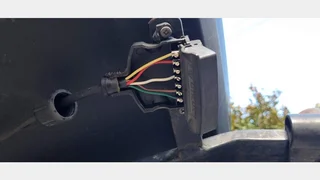
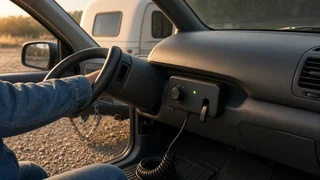
Setting the controller after installation requires a low-speed test in a safe, open area with the trailer loaded to its typical weight. The gain should be raised just enough that the trailer brakes feel firm without locking wheels during moderate stops. An overly aggressive setting causes the trailer tires to slide and wears linings rapidly, while an underpowered setting lets the trailer push the Jeep. Check the connection at the seven-way socket and the controller's manual override lever, which allows the driver to apply trailer brakes independently when sway begins.