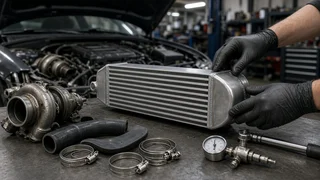
Jeep 2.0 turbo intercooler
A Jeep 2.0 turbo intercooler sits between the turbocharger compressor outlet and the engine intake, directly affecting how consistently a Wrangler or JL makes power. When this heat exchanger works well, the boosted air stays dense and the vehicle responds cleanly. When it leaks, clogs, or loses pressure through a hose connection, the engine may feel flat, especially during sustained load or hot weather. Buyers weighing a replacement or upgrade should focus on fitment, construction, pressure loss, and resistance to oil contamination rather than only looking at core size. The right choice depends on how the Jeep is driven and whether the factory cooler is damaged or simply being changed for more consistent charge-air temperature.
The direct answer
For most owners searching for an intercooler turbo Jeep part, the practical answer is to first confirm which 2.0 turbo engine layout and model generation the vehicle uses, then choose a replacement that matches the original mounting points and inlet/outlet locations. A stock-style cooler is usually the simplest repair when the original unit is cracked or fins are damaged. An upgraded bar-and-plate or larger core can reduce charge-air temperature under repeated boost, but it only helps if the rest of the intake tract and boost control system are in good condition.
The Jeep JL 2.0 turbo intercooler is positioned to receive airflow through the grille area, but rock strikes, mud packing, and bent fins can reduce its ability to shed heat. A cooler that looks intact may still have a small split at a hose connection or internal oil film that lowers efficiency. When choosing a Jeep Wrangler 2.0 turbo intercooler, a direct replacement should preserve factory boost pressure behavior and avoid creating new clearance or sensor issues. An upgraded unit makes sense when the vehicle sees towing, crawling at low speed with high ambient heat, or repeated high-load pulls.