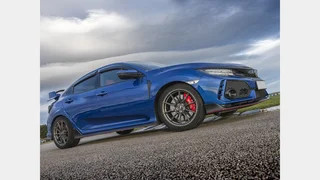
Japanese Honda Civic
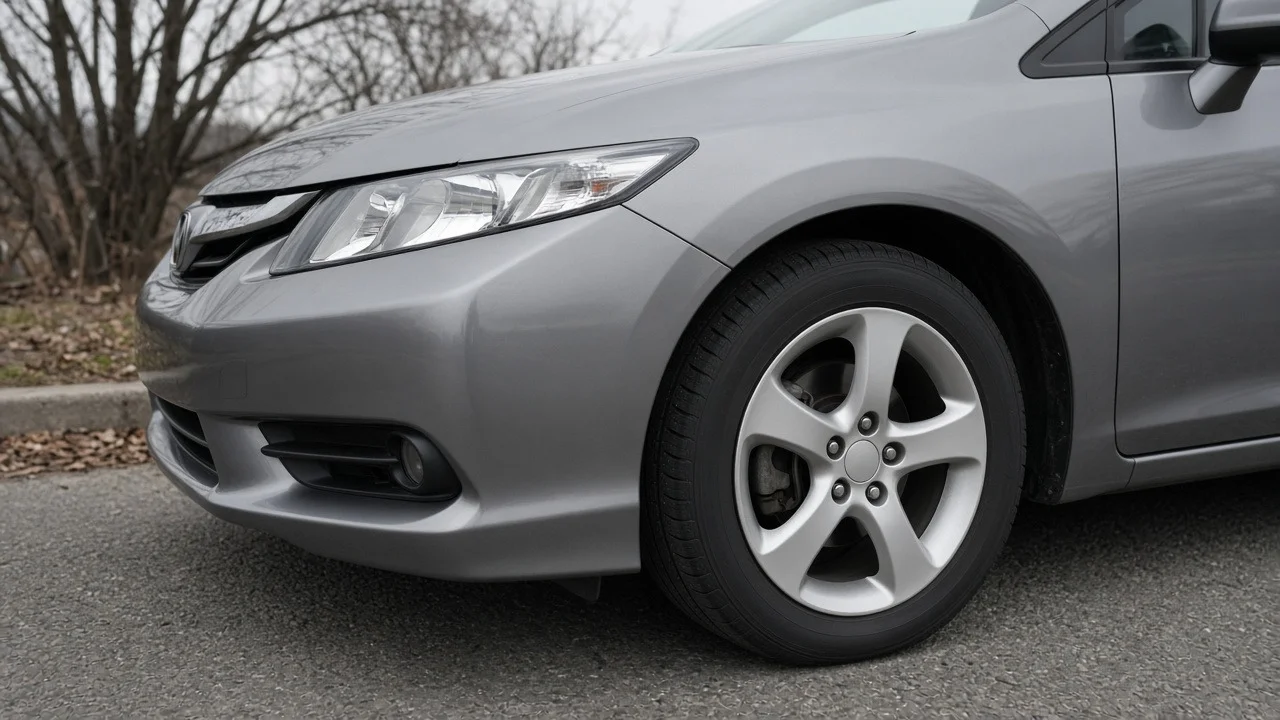
A Japanese Honda Civic is best understood not as a single fixed specification, but as a Civic built for the Japanese domestic market. The same model generation can differ from a US-market Civic in trim level, powertrain variant, body style, lighting, bumpers, interior materials, and emissions calibration. Because the Civic has been produced in multiple factories and sold under different market specifications, the phrase usually signals interest in a Japan-built or Japan-market car rather than a completely unrelated model. Checking the model year, chassis code, and original market specification is the practical way to identify what a particular vehicle actually represents.
Essential answer
The essential answer is that a Japanese Honda Civic generally refers to a Civic manufactured in Japan or originally sold in the Japanese domestic market. Many Civics sold in North America have been built in Japan, while others come from plants outside Japan, so build origin and market specification are not always the same thing. A Japan-market Civic may carry unique trim levels, smaller engines, different automatic or manual transmission choices, and equipment influenced by local tax classes and road conditions. The exact meaning depends on the model generation and the vehicle identification details rather than on the name alone.
For practical identification, look beyond the badge and check the VIN, chassis code, and compliance labels. A car built for Japan may show a different model code sequence or lack certain US required labels, while a Japan-built example sold new in the US will still meet US equipment rules. Body style also matters: a Japanese market sedan, hatchback, or wagon can have appearance details that look close to a US version but are not identical. Recognizing these distinctions helps an owner or shopper avoid assuming that parts, trim features, and tuning are automatically the same as a local Civic.