Japanese convertible cars
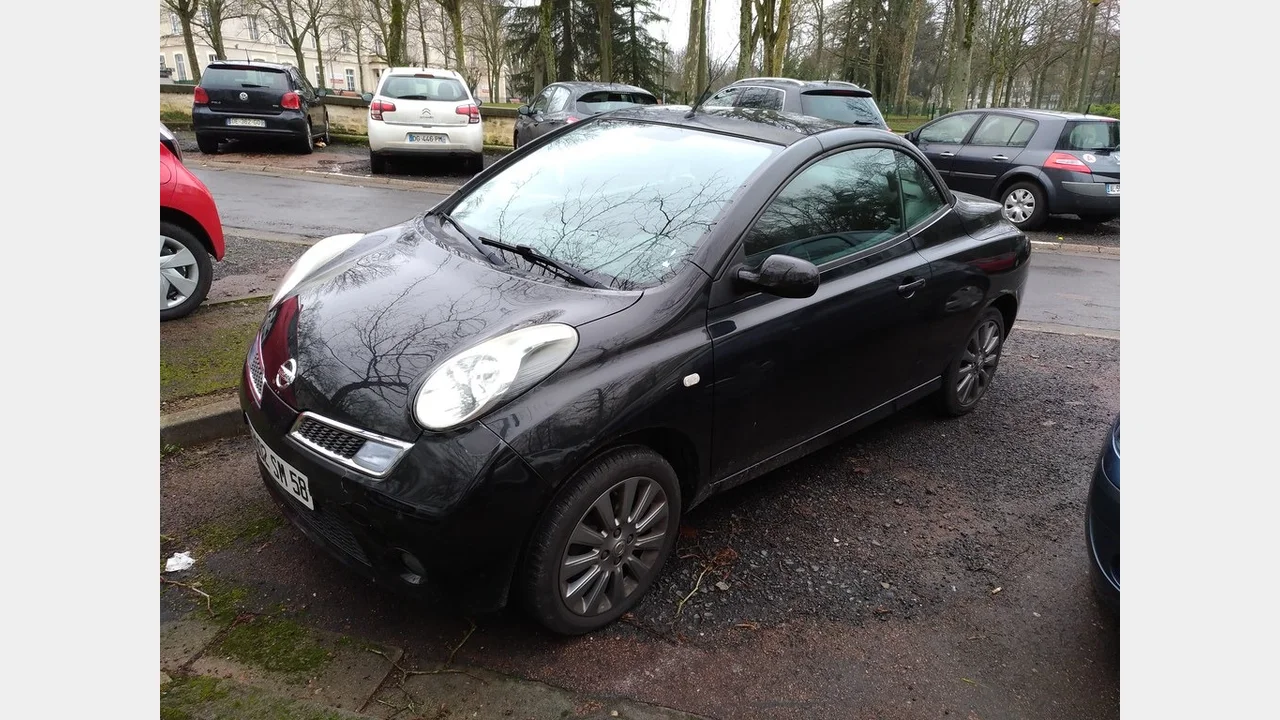
Japanese convertible cars span compact roadsters, mid-size grand tourers and small kei-class open tops, each shaped by distinct body configurations and regional availability. A buyer researching this market segment usually encounters model years influenced by Japanese domestic preferences, export programs and changing powertrain options. The essential distinction is not a single national trait but a recurring design philosophy: modest footprint, folding roof simplicity and mechanical layouts that prioritize approachable handling. Some examples remained Japan-only, while others reached the US with different equipment levels. Understanding those qualifications helps narrow the search more accurately than simply asking which Japanese convertible cars exist.
Essential answer
Japanese convertible cars are open-top passenger vehicles produced by Japanese manufacturers, ranging from lightweight two-seat roadsters to larger four-seat convertibles. The category is broad because model years and body configurations vary widely across brands and export regions. Some were engineered primarily for domestic driving conditions and later imported, while others were developed with North American market segments in mind. As a result, the direct answer depends on whether the reader means vehicles sold new in the US, Japanese-market models available through import, or historically significant designs that influenced later soft-top and retractable-hardtop cars.
A practical way to evaluate the category is to look at how body configuration and powertrain options interact. A small rear-drive roadster emphasizes low mass and direct steering, while a front-drive convertible may trade that balance for cabin space and simpler foul-weather packaging. Equipment levels also shift the character substantially: a base open top may feel spartan, while an upper trim can add chassis bracing, a lined roof or performance-oriented suspension. Since regional availability and model-year updates alter these details, a supported conclusion should identify the broad class first and then verify which configuration, powertrain and equipment combination fits a specific buyer’s use.