Is Engine Knocking Dangerous? Can You Drive With It and What to Do
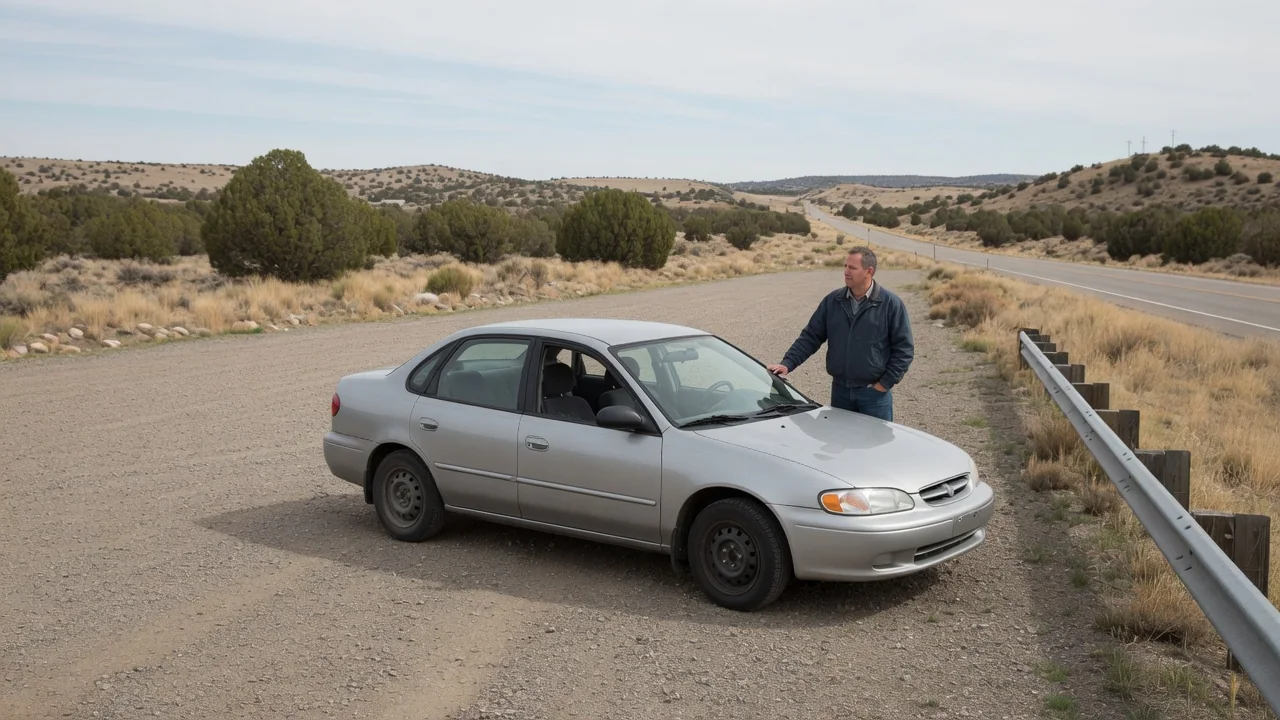
Engine knocking is dangerous because it can mark abnormal combustion or mechanical trouble capable of causing internal engine damage. Driving with a knocking engine is not a convenience question: continued operation may worsen the fault, and the noise does not prove how much harm already exists. If the engine starts knocking, treat it as a serious problem, stop safely, and arrange a professional inspection rather than finishing the trip.
Why Engine Knocking Can Signal Serious Damage
Engine knocking is bad when the sound marks abnormal combustion or a mechanical problem capable of damaging pistons, bearings, and other internal parts. That engine knocking damage is a possibility, not a conclusion you can draw from the noise alone. A newly noticed knock does not establish how much internal engine damage already exists, or even whether the sound originates inside the engine rather than from an accessory or exhaust path. That uncertainty is itself a reason to treat knocking as a serious problem.
The sequence that follows when your engine starts knocking is not predictable from the sound alone. An active fault can worsen while the car still runs, so continued driving can turn a limited problem into broader internal engine damage. Loss of power, rising temperature, or a change in the knock's character can appear after the first warning, but their absence does not mean the engine is unharmed. Early assessment matters because the noise is evidence to interpret, not proof that a specific part has already failed.
When to Stop Driving and Arrange a Tow
An unexplained engine knock provides no reliable basis for declaring it safe to drive with a knocking engine. You should not drive a car with a knocking engine, or keep driving on a knocking engine, simply because it still moves. Stop somewhere safe and seek roadside assistance rather than assuming the remaining miles of a trip are still available. If stopping immediately would expose occupants to traffic, prioritize reaching the nearest protected place without treating that short movement as permission to keep going.
Knocking accompanied by an oil pressure warning, engine overheating, pronounced loss of power, or severe vibration warrants shutting the engine off once you are safely stopped. A burning smell with the knock, visible smoke, or a car that shuts off while knocking adds urgency. Avoid restarting a stalled knocking engine, because a restart can resume the same mechanical or lubrication problem that caused the stall. If fire is suspected, move away from the vehicle and contact emergency services rather than trying to identify the source at the roadside.
Why There Is No Safe Mileage or Lifespan Estimate
There is no dependable number of miles, minutes, or days that answers how long you can drive with a knocking engine. How long a knocking engine can last, or how long it will last after the sound appears, depends on the underlying fault, existing damage, lubrication, temperature, and operating conditions. Those factors cannot be established from a description of the noise. A car that still starts and moves may nevertheless suffer sudden failure, engine seizure, or loss of propulsion without a further warning you can count on.
Avoid driving to test remaining life. A quieter or intermittent knock is not proof that the risk has passed, and it does not create a safe window for commuting or a longer trip. What happens if your engine starts knocking and you keep using it can include rapidly progressing bearing or piston damage, overheating, or a sudden stop that leaves you in traffic. Treat any plan to see how far it goes as a decision to accept that sudden failure, not as a mileage estimate.
Immediate Steps After You Hear Knocking
If the engine is knocking, the first things to do are ease off the accelerator, avoid deliberate revving, pull over safely, and shut the engine down. The best way to stop engine knocking in that moment is not a fuel additive or a harder press on the pedal. Reduce load and get off the roadway rather than trying to drown the sound or hold speed so you can reach a distant shop under power. Do not rev at idle to confirm what you already heard.
Record warning lights and symptoms already observed, including whether the noise began with a burning smell or loss of power. Do not reproduce the knock for a recording. Once safely parked, follow the owner's manual for any permitted oil-level check and respect hot-engine hazards; an acceptable oil level does not prove adequate oil pressure. Arrange roadside assistance or a professional inspection. Additives, extra fuel treatments, and repeated restarts cannot establish that the engine is safe to operate, and they are not a substitute for shutting it down.
Whether a Knocking Engine Can Be Repaired or Saved
Some causes of knocking can be corrected, so a knocking engine can be repaired or even saved when the fault is limited and damage has not progressed. Repairability still depends on the confirmed cause and the extent of internal harm, not on how loud the sound seemed on the road. Possible outcomes include correcting an operating fault, repairing internal components, or rebuilding or replacing the engine. The work needed to fix car engine knocking is a shop question after testing, not a decision you can make from the noise itself.
Professional testing may be needed to establish oil pressure, identify the sound source, and assess internal condition before recommending repairs. Engine knocking can be fixed in some cases, but you cannot fix a knocking engine from the sound alone. Ask for the findings supporting the recommendation, the scope of any confirmed damage, and a written estimate. Stopping promptly may limit further harm but cannot guarantee the engine can be saved.
Habits That Help Reduce Future Knocking Risk
How to avoid engine knocking starts with fuel that meets the vehicle's manufacturer fuel requirements and with oil that matches the specified grade and maintenance schedule in the owner's manual. Check oil level as that manual directs, and treat an oil pressure warning or temperature warning as a reason to stop rather than a reminder to finish errands. Preventive maintenance can reduce some contributing risks, including neglected lubrication and fuel that does not match what the engine was designed to use.
Address recurring abnormal noises or drivability symptoms before returning to routine driving. A knock that faded after a restart is not clearance to commute, and later habits cannot reverse existing internal damage. Maintenance also cannot guarantee that knocking will never occur, especially if a mechanical fault develops between services. Use the owner's schedule as a risk-reduction tool, respond promptly to warnings, and treat any new knock as a reason to stop and inspect rather than as a noise to learn to live with.